Automatic gates are one of the best ways to combine security, convenience, and curb appeal for homes and businesses in Houston, TX. When a gate system is designed correctly, it feels effortless day-to-day: you pull up, the gate opens smoothly, and you’re inside without stepping out into summer heat or rain. When it’s designed poorly, you end up with sagging tracks, finicky remotes, and constant service calls. In this guide, we’ll walk through what to know before you invest in automatic gate installation in Houston, including gate types, typical cost drivers, safety features, and long-term maintenance.
We install and service automated gate systems across Greater Houston, from neighborhoods near Memorial and West University Place to acreage properties in Cypress, Katy, and Tomball. Below, we’ll share practical, local advice so you can choose a setup that works reliably in Houston’s humidity, sudden downpours, and year-round use.
What “automatic gate installation” includes (and what it should include)
People often picture only the gate itself and the motor, but a proper installation is a full system. At minimum, a quality project includes:
- Gate structure: the frame and infill (steel, aluminum, wood, composite, etc.) built to resist sagging and wind load.
- Posts and foundations: properly set posts and footings, especially important in Houston’s clay soils and drainage conditions.
- Operator (motor) selection: matched to gate weight, length, duty cycle, and the type of movement (swing or slide).
- Safety devices: photo eyes and/or safety edges to prevent contact and comply with best practices.
- Access controls: remotes, keypad, RFID, phone entry, intercom, or smart controls depending on your needs.
- Power planning: low-voltage power run, solar option (where appropriate), battery backup, and surge protection.
- Final adjustments and testing: smooth travel, correct limits, obstruction reversal, and consistent close timing.
After a proper install, you should be able to use the gate daily without scraping, binding, jerky movement, or “random” lockups.
- Most gate headaches come from mismatched operators, weak posts/footings, or missing safety devices.
- Planning for Houston weather (water, lightning, humidity) prevents expensive repairs later.
Automatic gate types we install in Houston, TX
Your property layout usually determines the best gate type. The most common options in Houston are swing gates and sliding gates, but there are a few variations worth knowing.
Swing gates
Swing gates open like a door and are common for residential driveways. They can be single-swing (one leaf) or dual-swing (two leaves meeting in the middle). Swing systems generally need enough clear space for the gate leaf to open fully without interfering with parked cars, landscaping, or sidewalk areas.
In Houston, we often recommend swing gates when:
- The driveway has a flat approach and enough clearance for the swing path.
- You want a classic look (especially paired with ornamental iron).
- The gate doesn’t need to handle high-frequency commercial traffic.
Sliding gates
Sliding gates move sideways along a fence line and are excellent for shorter driveways or properties where swing clearance is limited. For many Houston homes with tight drive approaches or where cars may stop close to the gate, slide gates can be a practical solution.
There are two common sliding styles:
- Track slide: the gate rolls on a ground track. It can be smooth and cost-effective, but it requires good drainage and a track that stays clear of debris.
- Cantilever slide: the gate “floats” above the ground and rolls on rollers mounted to posts. It costs more but can be more reliable where water, leaves, and driveway runoff are factors.
Vertical lift and specialty systems
For commercial sites, tight spaces, or security-driven applications, vertical lift gates and barrier arms can make sense. These are less common for residential properties, but they’re worth discussing if you need fast cycles or unique geometry.
- Swing gates fit many Houston neighborhoods, but they require clean swing clearance.
- Sliding and cantilever gates can be better for short driveways and wet/leafy areas.
How much does automatic gate installation cost in Houston, TX?
Automatic gate projects can range widely because every driveway is different. The big drivers are the gate size/weight, operator type, access controls, and power work required. As a rule, the operator and access equipment are only part of the cost; the structural work and foundations matter just as much.
Here are the main cost factors we see in Houston projects:
- Gate size and material: heavier gates require stronger frames and operators. Ornamental steel and large wood gates often need higher-capacity motors.
- Duty cycle needs: a home that opens 10–20 times a day needs different equipment than a site that cycles hundreds of times daily.
- Ground conditions and drainage: poor drainage can add costs for track protection, concrete work, or switching to cantilever design.
- Power and wiring distance: the farther the operator is from the electrical panel, the more trenching and conduit work may be needed.
- Access control features: keypad vs. intercom vs. phone entry vs. app control. Multi-user systems for businesses add complexity.
- Safety equipment: photo eyes, loops, and safety edges. We don’t treat these as optional.
- Permit/HOA considerations: some neighborhoods require specific styles or placement.
If you’re budgeting, we recommend thinking in tiers: a basic residential automation package, a mid-range system with better safety and controls, or a higher-end build with premium access options and heavy-duty operators.
- “Cheap” gates often become expensive when foundations, drainage, and safety are ignored.
- Your best value usually comes from matching the operator to real daily usage.
Safety features every automatic gate should have
Automated gates are powerful machines, and safety is non-negotiable. A well-designed system uses multiple layers of protection to prevent contact and reduce liability.
Common safety devices include:
- Photo eyes: sensors that detect an obstruction and stop/reverse movement.
- Safety edges: pressure-sensitive edges that reverse the gate if contact occurs.
- Vehicle detection loops: for commercial sites, loops prevent the gate from closing on a vehicle.
- Proper signage and controls placement: especially important for public-facing commercial entrances.
We also recommend battery backup so the gate can operate during outages—Houston storms can knock power out, and you don’t want a gate that traps you inside or forces you to leave it open.
- Safety isn’t one device; it’s a system (sensors, edges, controls, and correct force settings).
- Battery backup is a practical safety and convenience feature in Houston storm season.
Choosing the right operator for Houston conditions
Operators are where “good” and “great” installations diverge. In Houston, we pay special attention to weather exposure and electrical protection.
Weight and length matching
Operators have ratings for gate weight and length, but real-world performance depends on how well the gate is built and aligned. If the gate drags, binds, or flexes, even a strong operator will struggle. We prefer to solve movement issues with proper fabrication and foundations first, then choose the operator.
Duty cycle and traffic flow
For businesses, apartment properties, and high-traffic sites, choosing a commercial-duty operator matters. A residential-rated unit on a commercial entrance tends to fail early and cause downtime.
Surge protection (a must in Houston)
Houston’s thunderstorm activity makes surge protection and proper grounding critical. A power surge can damage boards, receivers, and accessories. We recommend surge protection for both the power feed and low-voltage lines, especially if you use phone entry or long runs to keypads.
- Alignment and gate build quality matter as much as the motor rating.
- Surge protection and grounding are essential for reliable operation in Houston, TX.
Popular access control options: keypad, remotes, phone entry, and smart controls
Access control is where your gate becomes truly convenient. Here are the options we install most often:
Remotes and vehicle transmitters
Simple, reliable, and familiar. Great for most homes. We can set up multiple remotes for family members and add long-range receivers when needed.
Keypad entry
A keypad lets you share a code with guests, service providers, or deliveries. It’s especially useful for households that get regular yard service. For many homeowners, a keypad plus remotes is the sweet spot of convenience and cost.
Intercom and phone entry
For homes that want more control, intercom systems allow you to screen visitors. Phone entry systems can call your phone and let you grant access remotely. These systems can be excellent for short-term rentals or households with frequent deliveries.
Smart app control
Smart access can be convenient, but it must be installed carefully to avoid connectivity issues. If your gate is far from the house, we plan for signal strength and consider hardwired options or dedicated network solutions.
- Keypads and remotes cover most residential needs efficiently.
- Phone entry and smart controls are great when paired with strong signal planning.
Maintenance: keeping an automatic gate reliable year-round
Automatic gates work best with periodic tune-ups. In Houston, we commonly see issues caused by water intrusion, debris buildup, and gradual settling around posts or tracks.
A simple maintenance plan typically includes:
- Checking hinges, rollers, and hardware for wear
- Cleaning and clearing slide tracks (for track slide gates)
- Testing photo eyes and safety edges
- Confirming smooth travel and correct limits
- Inspecting wiring connections and weatherproofing
If you already have a gate that’s sticking, struggling to close, or reversing randomly, it may need alignment work or safety device adjustments. It’s better to address those early—operator strain can shorten motor life.
- Routine maintenance prevents “mystery” failures and expensive operator replacements.
- Most reliability issues start small: drainage, debris, or minor alignment shifts.
Internal upgrades that pair well with a new automatic gate
Many Houston homeowners install driveway gates as part of a broader perimeter upgrade. Depending on your property, these improvements can make your gate system look and work better:
- Driveway gate design and replacement if you want a new look with automation.
- Ornamental iron fencing for a cohesive perimeter aesthetic.
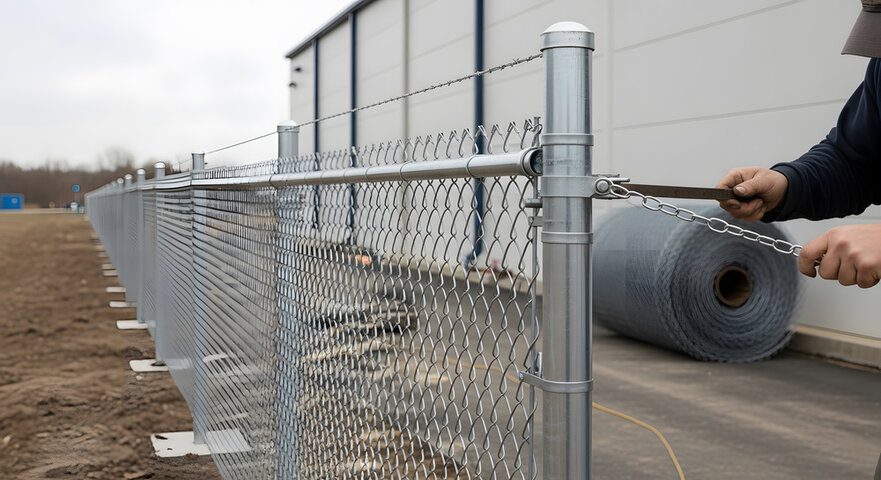
- Chain link fencing for side and back areas that need durability and visibility.
- Wood privacy fencing when you want privacy behind the gate line.
- Fence repair if you’re upgrading a worn perimeter before adding automation.
- Fence installation planning to ensure posts, slopes, and gate openings are built correctly.
- Residential fencing options if you’re comparing styles and budgets.
- Commercial fencing solutions for businesses that need heavier-duty access control.
If you’re unsure where to start, we can help you prioritize the gate opening, fencing lines, and access needs first—then choose materials that match your property and budget.
External resources to help you plan
If you want to learn more about safe gate design and automation best practices, these resources are useful starting points:
- The UL 325 safety standard overview explains key operator safety principles.
- The FEMA site has storm readiness guidance, which can be helpful when you’re considering battery backup and power planning.
FAQ: automatic gate installation in Houston, TX
Do I need a permit to install an automatic driveway gate in Houston, TX?
Permit requirements can vary based on where the gate sits, how power is run, and whether the entrance is part of a commercial property. We recommend checking HOA requirements early and confirming any city requirements during planning. When we scope your project, we can help you understand what’s typically needed for your address and setup.
Is a cantilever sliding gate worth it in Houston?
It often can be—especially if you deal with water runoff, leaves, or uneven driveway conditions. Because the gate doesn’t roll on a ground track, it can stay more consistent during heavy rains and avoids track maintenance. The tradeoff is higher upfront cost and slightly more space needed along the fence line.
What happens to an automatic gate during a power outage?
Without battery backup, most gate operators will stop working until power returns, and you may need to use a manual release. With a properly sized battery backup, you can keep normal operation for a period of time. In Houston storm season, we strongly recommend battery backup for convenience and safety.
How long does an automatic gate installation take?
Simple automation on an existing, well-built gate can sometimes be completed quickly, but full projects that include fabrication, posts, concrete, trenching, and access controls typically take longer. The timeline depends on site conditions, material lead times, and the complexity of your access control system.
Get a free estimate for an automatic gate in Houston, TX
If you’re considering an automatic gate for your home or business, we’ll help you choose the right gate type, operator, and access controls for reliable everyday use in Houston. Call Griffin Fence today at (713) 937-6611 or contact us online for a free estimate.