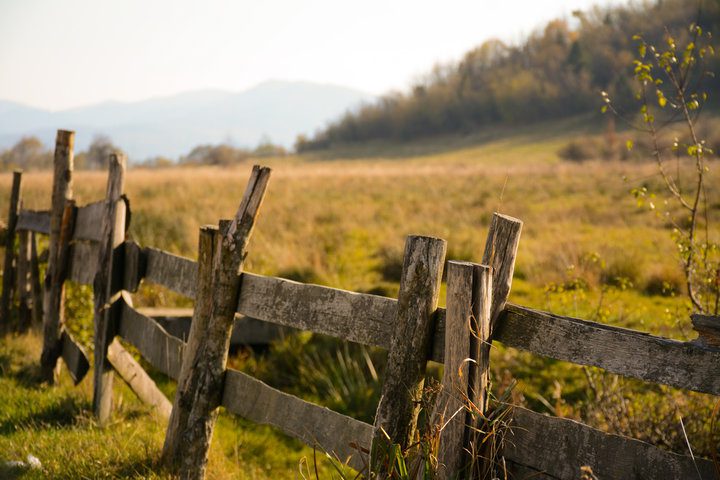
Choosing the right cattle fence is one of the most important decisions for any ranch owner in Cypress, TX. A well-built fence not only protects your livestock but also enhances property value, ensures safety, and reduces long-term maintenance costs. With various fencing options available, understanding what works best for your land, climate, and cattle type is essential.
In this guide, we’ll explore the best fencing solutions, key considerations, and expert tips to help you make an informed decision.
Why Choosing the Right Cattle Fence Matters
A high-quality cattle fence serves multiple purposes beyond just enclosing livestock. It helps:
- Prevent cattle from wandering off
- Protect animals from predators
- Define property boundaries clearly
- Reduce liability risks
- Improve ranch management efficiency
In Cypress, TX, where weather conditions and soil types vary, selecting durable and weather-resistant fencing is crucial.
Popular Types of Cattle Fencing
Understanding the different types of fencing can help you choose the most suitable option for your ranch.
1. Barbed Wire Fencing
Barbed wire is one of the most commonly used fencing options for cattle. It is affordable and effective for large areas.
Benefits:
- Cost-effective
- Easy to install
- Suitable for large ranches
Considerations:
- Requires maintenance
- Can cause minor injuries if not properly installed
2. Woven Wire Fencing
Woven wire fencing provides a tighter barrier, making it ideal for keeping calves contained.
Benefits:
- Strong and secure
- Prevents smaller animals from escaping
- Long-lasting
Considerations:
- Higher upfront cost
- Requires sturdy posts
3. Electric Fencing
Electric fencing is becoming increasingly popular due to its efficiency and low maintenance.
Benefits:
- Cost-efficient
- Easy to install
- Effective deterrent
Considerations:
- Requires power source
- Regular monitoring needed
4. High-Tensile Fencing
This type uses strong steel wire that can withstand significant pressure.
Benefits:
- Durable and long-lasting
- Low maintenance
- Ideal for large properties
Considerations:
- Professional installation recommended
5. Pipe Fencing
Pipe fencing is a premium option often used for smaller areas or high-value livestock.
Benefits:
- Extremely strong
- Long lifespan
- Visually appealing
Considerations:
- Higher cost
- Best for specific sections rather than large acreage
Factors to Consider When Choosing a Cattle Fence
Selecting the right fencing involves more than just picking a material.
Land Size and Terrain
Large ranches may benefit from cost-effective options like barbed wire, while uneven terrain may require flexible fencing solutions.
Type of Livestock
Different breeds of cattle have varying strength and behavior. Choose fencing that can withstand their movement and pressure.
Weather Conditions
Cypress, TX experiences heat, humidity, and occasional storms. Your fence should resist rust, corrosion, and wear.
Budget
Balance initial costs with long-term maintenance expenses. Investing in durable materials can save money over time.
Maintenance Requirements
Low-maintenance fencing options reduce labor and repair costs.
Benefits of Installing the Right Fence
A properly installed cattle fence offers several long-term advantages:
- Improved livestock safety
- Reduced escape incidents
- Lower repair and replacement costs
- Enhanced property organization
- Increased ranch efficiency
Installation Tips for Long-Lasting Fencing
Proper installation is key to maximizing the lifespan of your fence.
Use Quality Materials
Invest in high-quality posts, wires, and fasteners to ensure durability.
Proper Post Spacing
Correct spacing prevents sagging and maintains fence strength.
Secure Corners and Gates
Corners and gates are high-stress areas—reinforce them properly.
Regular Inspections
Check for damage, loose wires, or weak posts to address issues early.
Common Mistakes to Avoid
Avoiding these mistakes can save you time and money:
- Choosing the cheapest option without considering durability
- Ignoring local climate conditions
- Poor installation practices
- Skipping regular maintenance
- Using incorrect fencing for livestock type
Cost of Cattle Fencing in Cypress, TX
The cost of fencing varies depending on materials, labor, and land size.
Estimated costs per foot:
- Barbed wire: Low cost
- Woven wire: Moderate cost
- Electric fencing: Low to moderate
- Pipe fencing: High cost
While initial costs may vary, investing in quality fencing reduces long-term expenses.
Why Professional Installation Matters
Hiring professionals ensures:
- Proper installation techniques
- Compliance with local regulations
- Use of advanced tools
- Long-lasting results
Professional installers can also recommend the best fencing solution based on your ranch’s specific needs.
Maintaining Your Cattle Fence
Routine maintenance extends the life of your fence and keeps your livestock safe.
Maintenance tips:
- Inspect fences regularly
- Repair damaged sections तुरंत
- Clear vegetation around fencing
- Tighten loose wires
- Replace weak posts
Consistent care prevents costly repairs in the future.
Conclusion
Selecting the best cattle fence for your ranch in Cypress, TX is a critical investment that impacts safety, efficiency, and long-term costs. By understanding the different fencing options and considering factors like terrain, livestock type, and climate, you can choose a solution that meets your needs. For expert guidance and reliable installation, trust Griffin Fence Houston, TX to deliver durable and professional fencing solutions tailored to your ranch.
FAQs
1. What is the most durable cattle fence option?
High-tensile and pipe fencing are among the most durable options, offering long-lasting performance with minimal maintenance.
2. How much does cattle fencing cost in Cypress, TX?
Costs vary depending on materials and land size, but options range from budget-friendly barbed wire to premium pipe fencing.
3. Is electric fencing safe for cattle?
Yes, electric fencing is safe when installed correctly and provides an effective deterrent without harming livestock.
4. How often should I inspect my cattle fence?
It’s recommended to inspect fencing at least once a month and after severe weather conditions.
5. Can I install cattle fencing myself?
While possible, professional installation ensures better durability, safety, and long-term performance.