When Houston homeowners call us about a new fence, a surprising number start with the same goal: keep a dog safely contained without turning the backyard into a kennel. We build fences all over the area, and we’ve seen firsthand how our climate, clay soils, and neighborhood rules change what the “best fence for dogs” looks like in practice.
This guide walks you through fence height by dog size, dig-proof and jump-proof details, material choices that hold up in Houston, and the gate hardware that keeps a curious pup from slipping out. If you want a safe yard that still looks great, we can help you plan it the right way.
What makes a fence “dog-safe” in Houston, TX?
A dog-safe fence does three things consistently: it contains the dog’s body, it reduces the dog’s motivation and ability to escape, and it stays reliable through Houston weather cycles (heat, heavy rain, and long stretches of humidity).
- Containment height and spacing that matches how your dog jumps, climbs, and squeezes.
- Dig resistance at the bottom edge so the fence stays secure even in soft or saturated soil.
- Secure gates with latch hardware that won’t pop open when bumped, pawed, or leaned on.
In Houston, we also plan around drainage and soil movement. A fence that looks perfect in March can develop gaps at the bottom after summer storms and soil shifting if it wasn’t built with proper grade, setbacks, and post depth.
To start planning, you may also want to look at our approach on our process so you know what to expect from estimate to installation.
Fence height by dog size (and how athletic your dog is)
The most common fence problem we see is height that was chosen by appearance instead of behavior. The “right” height depends on your dog’s size, athleticism, and the outside distractions near your yard.
Small dogs (toy and small breeds)
Many small dogs don’t need a tall fence, but they often need a fence with tighter spacing and a bottom edge that stays snug to the grade. A 4-foot fence may work for some small dogs, but the bigger issue is preventing squeeze-through gaps and burrowing under a loose board.
- Typical starting point: 4 to 5 feet
- Priority: tight picket/rail spacing and no gaps under the fence
Medium dogs (active family dogs)
For many medium dogs, 5 to 6 feet is the sweet spot, especially in neighborhoods where squirrels and delivery activity keep dogs alert. If you’ve got a jumper or a dog that gets “tunnel vision” at the fence line, we lean toward 6 feet with solid gate hardware.
- Typical starting point: 5 to 6 feet
- Priority: stable posts and gate security
Large dogs and strong breeds
Large dogs can test a fence through force more than jumping. For big, powerful dogs, we focus on a fence that won’t rack, loosen, or develop gaps over time. A 6-foot fence is common, but the details matter: post size, rails, fasteners, and keeping the bottom edge secure.
- Typical starting point: 6 feet
- Priority: structural strength and dig resistance
After you settle on height, it’s worth reviewing Houston permit and neighborhood rules. Our guide on fence installation permits in Houston can help you understand what might apply to your property.
Wood vs chain link vs ornamental iron for dogs
There’s no single best material for every dog. The best fence is the one that matches your dog’s behavior and your yard’s layout.
Wood privacy fences: best for reducing distractions
For many dogs, a privacy fence is a behavior tool as much as a barrier. If a dog can’t see every passerby, dog-walker, or delivery truck, many dogs become calmer and less motivated to challenge the fence line.
- Pros: reduces visual triggers, strong containment, great for backyards and pools
- Cons: needs maintenance in Houston humidity; pick the right wood and finish
If you’re comparing materials for longevity, read our breakdown on top fence materials for Houston properties.
Chain link fences: durable and budget-friendly (with the right add-ons)
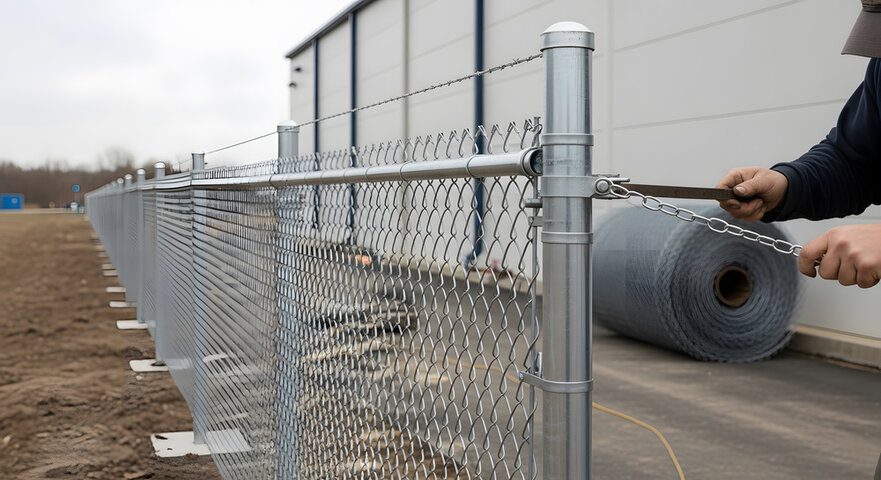
Chain link can be a very effective dog fence, especially when you need a large enclosed area or you’re building a dedicated dog run. The key is choosing the right mesh size, adding bottom tension wire, and making the gate frame rigid.
- Pros: long service life, good visibility, cost-effective for larger yards
- Cons: dogs can see distractions; climbers may attempt to scale without privacy slats
If chain link is on your shortlist, you may like our service page on chain link fence installation and our overview of chain link fences in Houston, TX.
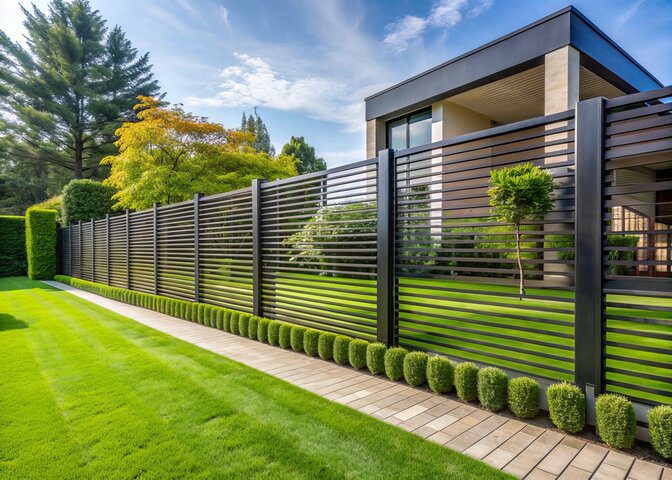
Ornamental iron fences: great strength, but watch spacing and “climb points”
Ornamental iron is strong and beautiful, but it’s not automatically dog-safe. Spacing between pickets must be right for your dog’s size, and horizontal rails can become “steps” for climbers. If you want iron for curb appeal, we design around those issues with picket spacing and layout.
- Pros: strong, long-lasting, excellent front-yard curb appeal
- Cons: visibility can increase excitement; some designs are climbable without planning
For inspiration and options, see our overview of iron gates in Houston and our wrought iron fencing service.
Dig-proof fence details that actually work in Houston soil
Digging is one of the most common escape methods in Houston, especially after heavy rain when the soil softens. We typically handle dig risk in one (or a combination) of these ways, depending on your yard and budget.
Keep the bottom edge tight to grade (and plan for drainage)
Many “escape gaps” happen because the fence line wasn’t graded consistently, or water runoff cuts a small channel under the fence. We look at drainage paths and set the fence to minimize low spots.
- Walk the fence line after a heavy rain and note where water flows or pools
- Fix low areas before fencing so the finished fence doesn’t float above grade
Add a bottom barrier: kickboard, wire, or buried edge
For wood fences, a rot-resistant bottom board (kickboard) can help close gaps near grade. For chain link, bottom tension wire helps keep the fabric tight. In higher-risk dig zones, we can extend the barrier below grade in targeted sections (like near gates or corners).
- Kickboards help with small dogs and yards with minor grade variation
- Reinforced bottoms help with persistent diggers
Don’t overlook corners and gate posts
Dogs often start digging at corners or near gates because the soil is disturbed during installation and may stay softer. We reinforce these areas and make sure posts are properly set so the fence line stays tight.
- Re-check corners monthly for new “starter holes”
- Address digging early before it becomes a habit
Gate design: the most important “escape point” in the yard
If we had to pick one upgrade that prevents the most dog escapes, it’s a properly built gate with reliable hardware. Dogs learn quickly where the weak point is.
Use a latch that can’t be pawed open
Some common gate latches are easy for a dog to bump or lift. We prefer secure latches with positive engagement, and we install them so they align correctly and don’t loosen over time.
- Choose a latch that locks into place (not just “rests”)
- Keep hardware tight and check it after storms or heavy use
Minimize gate gaps
A gate often has more clearance than fence panels. We build gates to swing cleanly without leaving a big gap at the bottom or latch side.
- Plan for grade changes across the gate swing path
- Ask for a tighter bottom clearance if you have a small dog
Consider a double-gate “airlock” for high-drive dogs
If your dog is a runner and you use the backyard frequently, a double-gate entry (two gates with a small space between) can be a game-changer. It gives you a buffer zone when bringing in groceries, taking out trash, or letting kids in and out.
- Reduces accidental escapes during everyday routines
- Great for homes with frequent visitors and service providers
Privacy matters: how to reduce barking and fence-fighting
Many dog issues at the fence line are behavior triggers, not fence failures. If your dog barks at every passerby, a privacy solution often helps more than just adding height.
Wood privacy is the cleanest fix
In many Houston neighborhoods, wood privacy fences are the most effective way to create a calm backyard. They block most line-of-sight triggers and create a clearer boundary.
Chain link can be improved with privacy slats
If chain link makes sense for your budget or layout, privacy slats can reduce visibility. It’s not the same as full privacy, but it can take the edge off for reactive dogs.
- Good for side yards and dog runs
- Helps reduce “fence charging” when dogs see movement
Houston-specific considerations: weather, termites, and long-term reliability
Our local conditions affect fence choices more than most people expect.
Humidity and rainfall mean maintenance planning matters
Wood fences can last a long time in Houston, but they need smart material selection and a realistic maintenance plan. We talk through finish options and what you should expect season-to-season so the fence stays solid and safe.
For a deeper look at wood choices, see best wood for fences in Houston’s climate.
Termites and ground contact details
We avoid shortcuts that leave wood in constant wet ground contact. Post setting, drainage, and the right lumber choices reduce rot and insect risk.
HOA rules and visibility requirements
Some communities have restrictions on front-yard fencing, fence height, and materials. We help you plan within your rules so you don’t have to redo the work later.
Dog runs and side-yard enclosures: a practical option for many homes
If you want a contained space for quick potty breaks, a dedicated dog run is often the best “value per square foot.” You can use chain link or wood depending on visibility and aesthetics, and you can design the area to be easy to clean and comfortable for your dog.
- Place it where there’s some shade and good drainage
- Consider a double gate if the dog is a runner
- Plan the latch and hardware like it’s a security gate
Simple safety upgrades most homeowners overlook
A few upgrades can dramatically improve real-world safety.
- Self-closing hinges on gates for busy households
- Lockable latches if you have kids who forget to latch the gate fully
- Trim vegetation back so dogs can’t use it as a step or hide digging spots
- Regular inspections after storms for new gaps, loose boards, or washed-out grade
For pet identification and safety best practices beyond fencing, we recommend reviewing guidance from the American Veterinary Medical Association (AVMA) and general dog safety tips from the ASPCA.
FAQ: best fence for dogs in Houston, TX
Is a 4-foot fence tall enough for a dog?
For some small dogs, yes, but for many medium and large dogs it’s not. We usually recommend 5–6 feet for active dogs in Houston, especially if the yard has distractions near the fence line.
What is the best fence to stop a dog from digging under it?
The best approach is a combination: tight-to-grade installation, good drainage planning, and a reinforced bottom edge in high-risk areas (like corners and near gates). If your dog is a committed digger, we can add targeted below-grade protection where it matters most.
Is chain link or wood better for dogs?
Chain link is durable and cost-effective, especially for large enclosures, but it doesn’t reduce visual triggers. Wood privacy is often better for reactive dogs because it blocks sight lines. We help you pick based on behavior and yard layout.
Can an ornamental iron fence work for dogs?
Yes, but spacing and design matter. For small dogs, picket spacing must prevent squeeze-through. For climbers, we avoid layouts that create easy “steps.” We can design an iron fence that balances curb appeal with practical containment.
Talk with Griffin Fence about a dog-safe fence
Every dog and yard is different. If you tell us your dog’s size, behavior (jumper, digger, climber, runner), and how you use your backyard, we’ll recommend a fence design that’s safe, durable, and built for Houston conditions.
Call Griffin Fence today at (713) 937-6611 or contact us online for a free estimate.