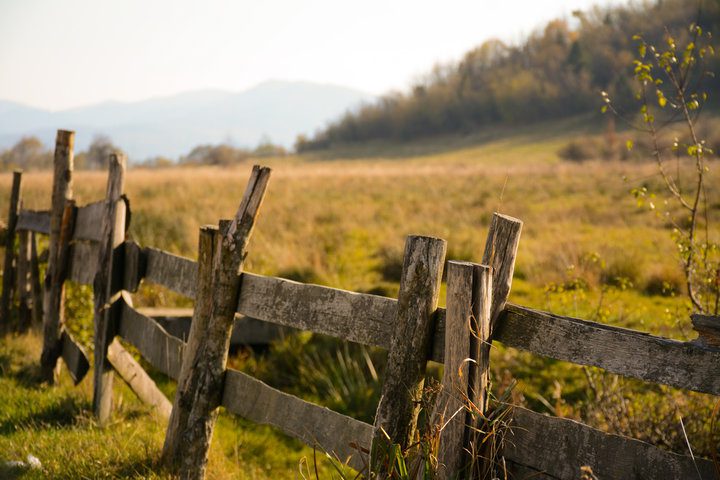
In Houston, TX, hurricane season isnt just a headlineits something we plan around every year. And when a storm rolls through, fences are often one of the first things to take a hit: panels blow out, posts lean, gates rack, and saturated soil turns a solid fence line into a domino row.
If youre dealing with fence damage after a hurricane, youre probably asking the same questions we hear every time we help a homeowner or property manager recover: What can be safely repaired? What needs to be replaced? How do I document this for insurance? And how do I get my yard secure again fast?
Below is our practical, Houston-specific guide to assessing storm damage, making safe temporary repairs, working through an insurance claim, and rebuilding a fence that holds up better the next time the Gulf sends us high wind and sideways rain.
Start with safety: what to check before you touch the fence
Before you start pulling boards or trying to straighten posts, take a few minutes to make sure the area is safe. After major storms, we regularly see hazards around the fence linedowned limbs, hidden nails, and occasionally damaged utility lines near gates or alley easements.
- Look for downed power lines near the fence or tangled in tree debris.
- Watch for unstable trees and hanging branches (widowmakers) that can fall while youre working.
- Wear gloves and boots; storm debris often includes splintered wood and fasteners.
- If a fence is supporting a leaning tree limb, dont cut it free without help.
- Safety first: confirm no power-line or unstable-tree hazards along the fence line.
- Work slowly and protect yourselfstorm cleanup injuries happen fast.
- If anything feels unsafe, pause and bring in a pro.
How to assess hurricane fence damage (a step-by-step walkthrough)
We like to break fence damage assessment into three buckets: structural supports (posts and footings), fence body (rails/panels/pickets), and moving parts (gates and hardware). Walk the line and take notes as you go.
1) Posts and footings: the real make-or-break point
In Houston clay, a fence can look fine from a distance but be compromised at the base. Hurricanes and tropical storms saturate soil. If the fence was installed with shallow footings or older wood posts, the ground can loosen and the whole line starts to lean.
- Push lightly on each post. If it wobbles, the footing may be compromised.
- Check for soil washout around the base (especially near downspouts and low spots).
- Look for rot at grade on wood postssoft wood means replacement.
- For steel posts, check for bending and pulled brackets.
- Most hurricane fence failures start at the posts, not the pickets.
- Soaked soil can loosen otherwise-solid footings in a single night.
- If multiple posts are loose, a full section reset is usually more cost-effective than patchwork.
2) Panels, pickets, and rails: what can be repaired vs replaced
Wind pressure and debris impact often take out panels first. On privacy fences, solid panels act like a sail. On older fences, nails and fasteners can pull out and rails can split at the post connection.
- Count how many bays have broken rails or missing pickets.
- Look for cracked rails near the post (common failure point).
- Check for twisted panels that wont sit flat again after they dry.
- On horizontal fences, look for racking (diagonal distortion) across the bay.
As a rule of thumb, if the posts are sound and the damage is isolated to a few boards or one bay, repair is usually the smart move. If the fence is older and more than about a third of a run is compromised, replacement starts to make more sense because youll chase weak spots for months.
- Isolated board damage is often a simple repair when the posts are solid.
- Widespread rail failure usually means the fence is at the end of its service life.
- After a storm, dont judge wood while its still waterloggedsome warping shows up as it dries.
3) Gates: why storm damage shows up here even when the fence looks okay
Gates are the moving, weight-bearing parts of your fence systemand they get battered by gusts. We commonly see:
- Hinges pulled loose from wood posts
- Gate frames racked out of square so they drag
- Latches bent or misaligned
- Gate posts leaning more than line posts due to heavier loads
If the gate post is leaning, fixing the latch wont last. The right repair is usually to reset or replace the gate posts, then square the gate, then upgrade hardware so it doesnt loosen again.
- Gate issues are often a sign the gate posts shifted in saturated soil.
- Fix the structure first (posts), then the hardware.
- A properly braced gate is one of the best storm upgrades you can make.
Temporary hurricane fence repairs (whats safe to do right away)
Sometimes you need the yard secure immediatelypets, kids, pool access, or just peace of mind. Temporary repairs can help as long as you dont create new hazards.
Bracing a leaning section
If a fence is leaning but not fully down, temporary bracing can prevent a total collapse. Use 2x4s or similar lumber to brace from the fence to the ground at an angle, and stake the brace so it cant kick out.
Securing a fallen bay
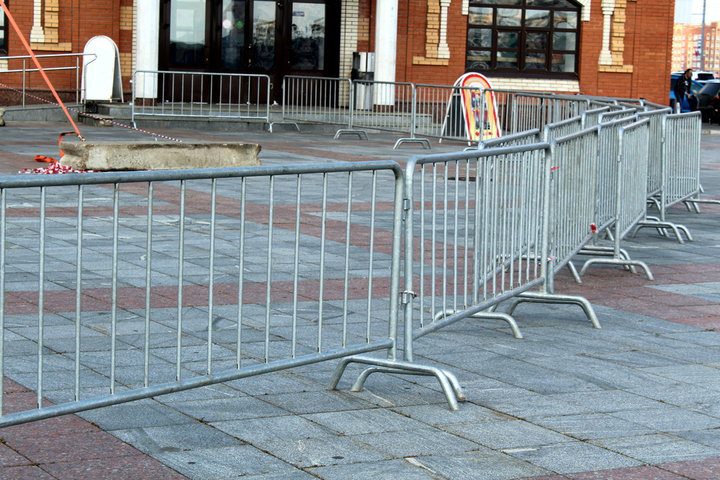
If a bay is down, remove splintered pieces and protruding fasteners, then stack the panel safely out of the way. If you need to block access, temporary mesh fencing or a quick picket patch can be safer than trying to stand up a broken panel.
Covering exposed edges
Storm damage often leaves sharp hardware exposed. Cap or remove protruding nails and screws. This is especially important if youre moving debris to the curb for pickup.
- Brace and secure for safetydont try to force broken panels back into place.
- Remove exposed fasteners to reduce injury risk during cleanup.
- Temporary barriers are fine; permanent repairs should follow a full assessment.
Documenting fence damage for insurance (what we recommend in Houston)
After major storms, insurance adjusters get overwhelmed and timelines stretch. The best thing you can do is create clear documentation right away.
- Take wide photos of the entire fence line from multiple angles.
- Take close-ups of failures: broken rails, leaning posts, uprooted footings, gate damage.
- Include context photos that show storm debris impact (fallen limbs, displaced objects).
- Save receipts for emergency materials (bracing lumber, temporary fencing).
The Texas Department of Insurance notes that homeowners policies may cover damage to fences caused by high winds, and it encourages documenting damage as part of the claim process (Texas Department of Insurance).
If your neighborhood has widespread debris, you may also be dealing with cleanup rules. Houston emergency management guidance recommends taking photographs, contacting your insurance company, and separating storm debris into categories for collection (Houston emergency debris FAQ).
- Photos + notes now can save weeks of back-and-forth later.
- Capture both wide shots and close-ups; adjusters need context.
- Keep receipts for any emergency stabilization work.
Repair or replace after a hurricane? Our decision framework
Every fence is different, but heres how we typically guide homeowners and property managers in Houston, TX.
Repair is usually the right call when:
- Posts are still plumb and secure
- Damage is limited to a bay or two
- The fence is relatively new and the wood is in good shape
- You need a fast fix while you plan a future upgrade
Replacement is usually smarter when:
- Several posts are loose or rotted
- Rails are split across multiple bays
- The fence line is racked out of square
- Repairs would leave a patchwork look and still wont be storm-ready
- Repair makes sense when structure is intact and damage is localized.
- Replacement makes sense when the foundation (posts/rails) is compromised.
- In Houston weather, rebuilding correctly can be cheaper than repeated emergency repairs.
Rebuilding stronger in Houston, TX: storm-resistant fence upgrades that matter
Once youre past the immediate cleanup, rebuilding is your chance to upgrade for Houstons conditions: saturated soil, high wind, and fast temperature/humidity swings.
Upgrade #1: focus on posts and embedment depth
Storm-ready fences start with proper posts and footings. In many blowdowns we repair, the original fence simply didnt have enough footing depth or concrete mass for our soil and wind exposure. When we rebuild, we prioritize post strength, proper spacing, and stable footings.
Upgrade #2: design for wind (especially privacy fences)
Solid privacy fences catch wind. Options that can reduce wind load include:
- Using a design with small gaps to let air pass (where appropriate)
- Reducing unsupported spans and making sure rails are properly fastened
- Reinforcing corners and end posts (they see the highest forces)
Upgrade #3: improve drainage near the fence line
In Houston, the ground around a fence can stay wet long after the storm is gone. If water pools against fence posts, rot accelerates and footings shift. Simple grading adjustments, downspout extensions, and keeping mulch piled away from posts can extend fence life dramatically.
- Storm resistance is mostly about structure: posts, corners, and footings.
- Privacy fences need special attention because they act like a sail in high wind.
- Drainage fixes help prevent the next round of leaning-post problems.
Post-storm cleanup in Houston: debris placement tips that prevent delays
When debris operations are active, crews need access. Houston emergency guidance says to keep debris piles away from obstructions like mailboxes, hydrants, and water meters, and to separate debris types (vegetative, construction, appliances, electronics, and household hazardous waste) (Houston emergency debris FAQ).
For many Harris County areas, residents are also asked to report debris needs to help plan pickup. Harris County Precinct 3s published procedures include a debris hotline at (713) 274-3880 and a reminder not to park cars near or across from debris piles so large trucks can access them (Harris County storm debris procedures).
- Separate debris types and keep piles away from hydrants, meters, and mailboxes.
- Leave street access clearpickup trucks may skip blocked piles.
- Reporting debris where required can speed up removal planning.
Internal resources: related fence services we provide
If your storm damage turns into a bigger rebuild, these pages explain the fence options we install and how we work:
- Our process for estimates, scheduling, and installation
- Warranty details for peace of mind after the repair
- Financing options for larger replacement projects
- Fence installation in Houston, TX for new builds
- Wood fencing in Houston, TX if youre rebuilding privacy fencing
- Fence repair in Houston, TX for storm-related repairs
- Security fence in Houston, TX for commercial perimeter upgrades
FAQ: Fence damage after a hurricane in Houston, TX
Will homeowners insurance cover fence damage after a hurricane?
Many policies can cover fence damage caused by high winds, but coverage depends on your specific policy and deductible. We recommend documenting the damage with photos and contacting your insurer as soon as its safe. The Texas Department of Insurance notes that homeowners policies may cover high-wind fence damage (Texas Department of Insurance).
Can I repair a leaning fence post, or does it need to be replaced?
If the post is solid and only slightly out of plumb, it may be reset with proper footing repair. If the wood is rotted at grade or the footing is loose in saturated soil, replacement is usually the only long-term fix. We can tell quickly once we expose the base.
How quickly should I fix a storm-damaged fence?
We recommend stabilizing dangerous sections immediately, then scheduling permanent repairs as soon as possibleespecially if the fence secures a pool, pets, or a commercial site. Delays can lead to more damage as the wood dries and shifts.
Whats the best way to rebuild a fence so it holds up better next hurricane season?
Focus on the structure: stronger posts, proper footing depth, reinforced corners, and a design that manages wind load. In Houston, drainage around the fence line also matterskeeping water from pooling at posts can prevent future leaning and rot.
Call Griffin Fence for hurricane fence repair in Houston, TX
Storm damage is stressful, but you dont have to guess your way through repairs. Well inspect the fence line, explain whats structurally sound, and give you a clear planwhether thats a targeted repair or a full replacement built for Houston weather.
Call Griffin Fence today at (713) 937-6611 or contact us online for a free estimate.