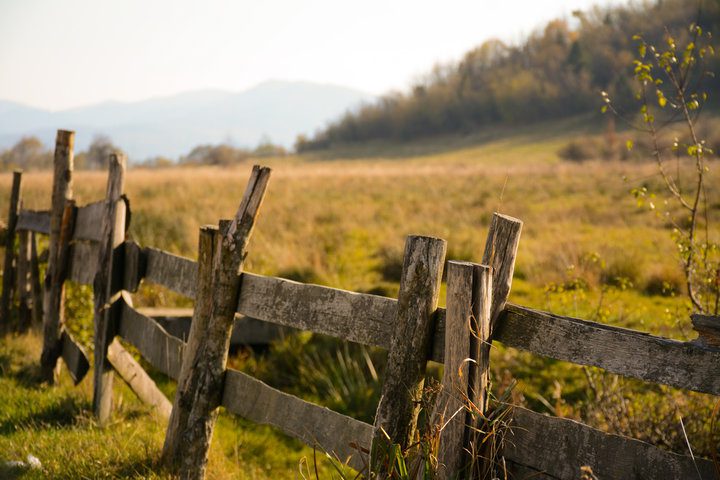
Homeowners ask us about pricing every day: what does a new fence really cost in Houston, TX once you account for our clay soil, rainy stretches, and the way heat beats up materials? In this guide, we break down the real-world numbers we see on installs, what drives bids up or down, and how to budget confidently before you schedule a crew.
Fence installation cost in Houston, TX: a quick answer
If you want a fast benchmark, Houston fence installs often come out to a per-foot price once we measure your layout, count gates, and confirm your material. Industry estimates put Houston at about $26 per linear foot on average, with many projects landing between $15 and $38 per linear foot depending on the fence type and site conditions (Angi’s Houston fence cost data).
- Expect the biggest swings from wood type (pine vs cedar), fence height, and how many gates you need.
- Plan for add-ons like old-fence removal, grading, and rot boards if your yard holds water.
- The most accurate way to price it is a site visit and a measured takeoff (you can also start with our fence estimator).
What goes into a fence quote in Houston, TX
When we build a quote, we’re not guessing. We’re measuring your property line, locating utilities, and matching your goals (privacy, pets, pool safety, curb appeal) to the right materials and construction details. For a local install, the main cost buckets are:
- Materials: posts, rails, pickets, concrete, fasteners, gates, and hardware.
- Labor: demolition (if needed), digging, setting posts, building panels, hanging gates, and cleanup.
- Site work: slope changes, drainage trouble spots, root removal, and access limitations.
- Compliance: special requirements for commercial sites, corner lots, or taller fences.
Linear feet: the number that drives most pricing
Most fence projects are priced by the linear foot because that captures the full run length of the fence. A “small” backyard can still be 140–220 linear feet depending on lot size, while corner lots and larger homes can easily exceed that. If you’re unsure of your footage, we can measure it during an estimate, or you can start with our fence estimator to get a ballpark.
- More linear feet usually lowers the per-foot price slightly because mobilization is spread out.
- Short runs can cost more per foot due to minimum labor and setup time.
- Backyard access (tight side yards, landscaping, pools) can raise labor time even with the same footage.
2026 pricing ranges we see for common Houston fence types
Pricing changes with lumber and steel markets, but the same cost drivers stay consistent year to year. Below are realistic categories that help you budget before we fine-tune the details on-site.
Wood privacy fence (pressure-treated pine vs cedar)
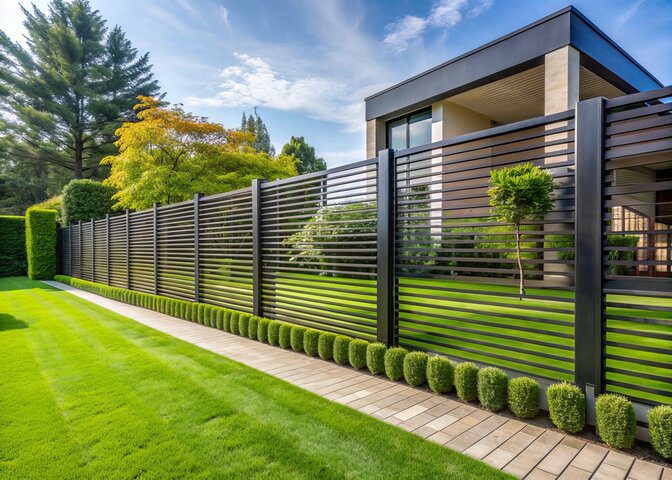
Wood is still the most common residential choice in Houston for privacy. The two big material paths are pressure-treated pine (lower upfront) and cedar (higher upfront, typically better stability and rot resistance when maintained). If you’re already leaning wood, these pages may help you compare options and schedule the right crew: Fence Installation Houston, TX, wood fence installation near me, and cedar fence installation.
- Pine tends to price lower but needs consistent sealing/staining in our humidity.
- Cedar tends to price higher but many homeowners like the look and natural durability.
- Board-on-board and 8-foot builds raise material and labor because you’re using more lumber.
Chain link and other non-privacy options
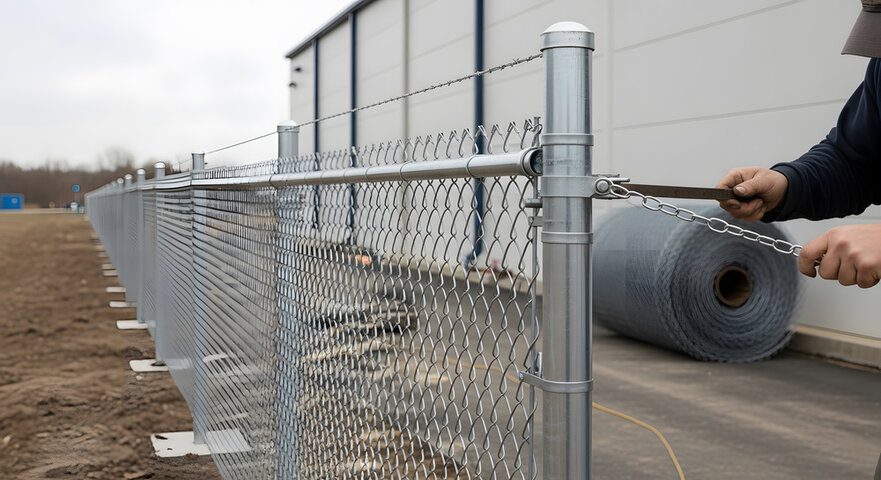
For side yards, dog runs, and some commercial layouts, chain link can be the most economical way to define a boundary. It’s also fast to install when the terrain is straightforward.
- Fewer materials per foot can mean a lower installed price than privacy wood.
- Terminal posts and corners still matter: more corners can raise cost even if the footage is the same.
- Upgrades like vinyl coating, thicker gauge, or privacy slats add cost.
Gates and access points
Gates are one of the most common “why did the price jump?” moments on a fence quote. A standard walk gate is very different from a wide driveway gate with stronger hardware and framing. Even on a basic wood fence, adding gates changes how we brace posts and align the run.
- Each gate needs stronger posts and more hardware than a regular panel.
- Wider gates typically require heavier framing to prevent sagging.
- Gate placement can affect layout efficiency (which affects labor time).
Houston-specific factors that change fence installation cost
Houston isn’t “average” construction terrain. If you want your fence to stay straight and functional, you have to build for our soil and water patterns.
Clay soil and post setting
Clay holds water, shifts, and can heave when conditions change. That means post depth, concrete, and compaction matter. Industry guidance points out that Houston’s clay soil can require special foundation work for fence posts (Angi’s Houston fence cost data).
- Better post setting can cost a bit more upfront but reduces leaning and gate issues later.
- Wet areas often benefit from rot boards and thoughtful drainage planning.
- Old concrete from a previous fence can slow demolition and raise labor.
Drainage, flooding, and rot exposure
In many Houston neighborhoods, the back corner of the yard stays damp after storms. If we see standing water or heavy runoff paths, we plan for it. Otherwise, the cheapest fence can become the most expensive one when repairs start early.
- Rot boards and ground clearance help prevent pickets from wicking water.
- Material choice matters more in shaded, damp yards than in sunny, dry ones.
- Grading or leveling can be part of the cost if the slope is extreme.
Permit situations (especially commercial)
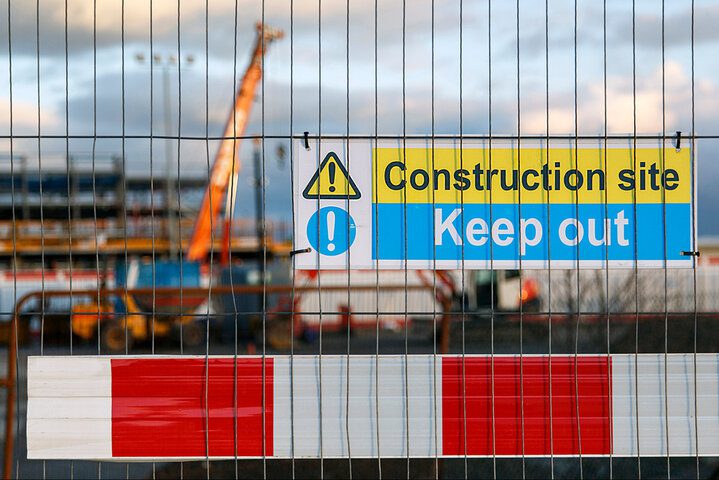
Most residential backyard replacements are straightforward, but permit situations can come up depending on the location and design. On commercial properties, the City of Houston notes that a permit applies for concrete/masonry fences or any fence over 8 feet in height (Houston Permitting Center).
- Fence height is one of the quickest triggers for additional requirements.
- Masonry walls are treated differently than typical wood or metal fencing.
- We help you plan so your fence design matches your site constraints.
Common add-ons (and what they can cost)
Two properties can have the same linear footage and still receive very different bids because of add-ons. Here are the most common ones we see in Houston estimates.
Old fence removal and haul-off
If we’re replacing an existing fence, removal is often billed per foot because it’s tied to the run length. Industry estimates commonly put removal at about $3 to $7 per linear foot (Angi’s Houston fence cost data).
- More concrete from the old posts can increase removal time.
- Metal posts can take longer to extract than wood posts.
- Disposal access matters if your lot has tight side yards or limited staging space.
Leveling, slope, and custom transitions
Sloped yards aren’t a deal-breaker, but they do change how we build. A stepped fence (clean horizontal panels) is different work than a racked fence (following the grade). If you have a dramatic slope, budgeting extra labor is smart.
- Stepped construction can require more cuts and layout time.
- Racked panels can reduce gaps but may limit some design options.
- Gate areas need special attention on slopes to avoid dragging.
Staining/sealing and long-term protection
In Houston, we treat finishing as part of the ownership plan, not an afterthought. A fence that’s maintained on schedule tends to look better and last longer.
- Sealing or staining helps slow moisture absorption and sun damage.
- Maintenance timing depends on wood type and how much shade your yard gets.
- Budgeting upfront prevents “surprise” expenses a year or two later.
Ways to keep your fence cost down without cutting corners
We’re not fans of “cheap fence” shortcuts that lead to leaning posts and sagging gates. But there are smart ways to reduce cost while still building a fence that holds up.
- Choose the right height (an 8-foot fence uses more material than 6-foot, obviously).
- Limit gate count to what you actually need day to day.
- Pick a straightforward style if budget is tight (ornamental details add labor).
- Plan the project timing and avoid last-minute rush work when possible.
FAQs: fence installation cost in Houston, TX
How many linear feet is a “typical” Houston backyard fence?
Many backyards we measure fall somewhere around 140–220 linear feet, but corner lots and larger properties can be significantly more. The fastest way to know is a measured layout during your estimate.
Is cedar always worth the extra cost in Houston?
Not always. Cedar can be a great choice for stability and appearance, but the “best value” depends on how much sun/shade your yard gets and whether you plan to seal or stain on schedule. We’ll walk you through options during your estimate so you can choose based on lifespan and budget, not guesswork.
What costs more: the fence panels or the gates?
Gates often add more cost than homeowners expect because they require stronger posts, heavier framing, and quality hardware to avoid sagging. If you’re budgeting, count gates early so you don’t get surprised later.
Can I get a quick price estimate online before scheduling a visit?
Yes. You can start with our fence estimator for a ballpark, then we’ll confirm details (footage, gates, and site conditions) on-site to finalize pricing.
Get a fence installation estimate in Houston, TX
If you’re ready to price your project accurately, we’ll measure your layout, review material options, and explain the best construction approach for your yard. You can also review our process, our warranty, and ask about financing options if you want to spread costs out.
Call Griffin Fence today at (713) 937-6611 or contact us online for a free estimate.