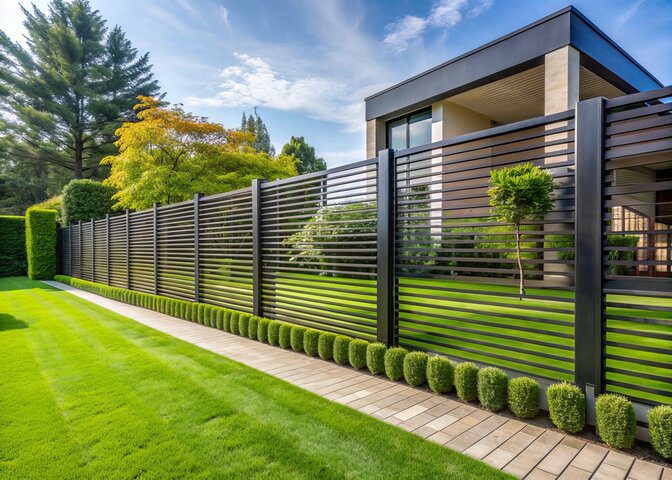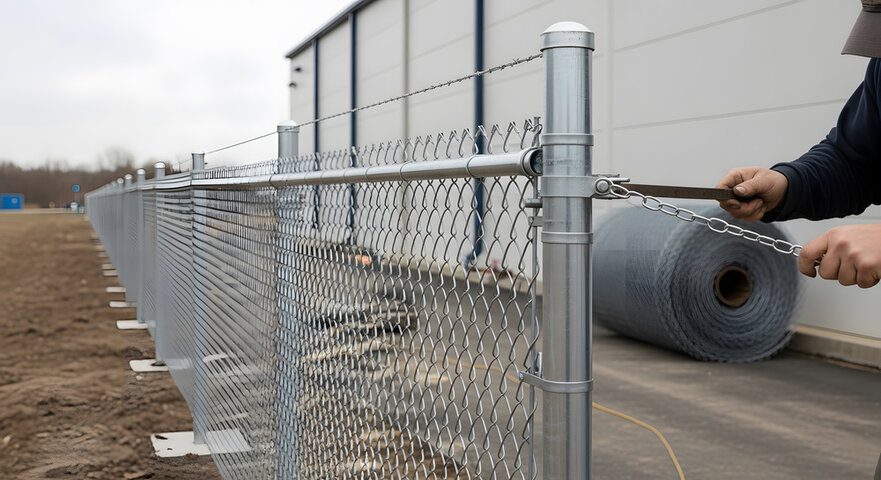
A well-built fence is more than just a property boundary—it’s an investment in security, privacy, and curb appeal. Whether you have a classic wood fence or a durable metal fence (such as wrought iron or aluminum), proper maintenance is the key to maximizing its lifespan and keeping it looking great year after year.
Unfortunately, many homeowners install a fence and then forget about it until problems appear—rotting wood, leaning posts, rust spots, or broken panels. By that time, repairs are often more expensive and sometimes unavoidable.
The good news is that with a simple, consistent maintenance routine, you can significantly extend the life of your fence—often by 5 to 15 years or more depending on the material.
This guide breaks down everything you need to know about maintaining wood and metal fences, including seasonal care, cleaning methods, repair tips, and long-term protection strategies.
Why Fence Maintenance Matters
Fence maintenance is often overlooked, but it plays a crucial role in protecting your investment. A neglected fence deteriorates much faster due to exposure to:
- Rain and moisture
- Sun and UV damage
- Soil movement and erosion
- Pests like termites (for wood fences)
- Rust and corrosion (for metal fences)
- Physical wear and accidental damage
Regular maintenance helps you:
- Prevent costly replacements
- Maintain curb appeal
- Improve property value
- Avoid safety hazards
- Extend fence lifespan significantly
Think of maintenance as “insurance” for your fence—it costs little compared to full replacement.
Part 1: Wood Fence Maintenance Guide
Wood fences are popular for their natural beauty and privacy, but they require more upkeep than metal fences. Without proper care, wood can warp, crack, rot, or become infested with pests.
1. Regular Cleaning
Dirt, mold, and mildew are common enemies of wood fencing.
How to clean your wood fence:
- Use a garden hose to rinse off loose dirt
- Scrub with mild soap and water
- For deeper cleaning, use a pressure washer on low setting
- Remove algae or mildew with a wood-safe cleaner
How often?
At least once a year, preferably in spring or early summer.
2. Sealing, Staining, or Painting
Wood is highly vulnerable to moisture. Sealing it protects against water absorption and UV damage.
Options include:
- Clear sealant (natural look)
- Wood stain (enhances grain and color)
- Exterior paint (maximum protection and customization)
Best practice:
- Reapply sealant or stain every 2–3 years
- Repaint every 4–6 years depending on climate
Skipping this step is the fastest way to shorten your fence’s lifespan.
3. Inspect for Rot and Damage
Regular inspections help catch problems early.
Look for:
- Soft or spongy wood (rot)
- Cracks or splits
- Loose boards or nails
- Discoloration or mold patches
If you find minor rot, replace only the affected boards. If multiple posts are damaged, consider professional repair.
4. Pest Control (Termites & Carpenter Ants)
Wood fences are vulnerable to insects.
Preventive steps:
- Keep soil and mulch away from fence base
- Apply wood preservatives
- Use termite-resistant treated wood during installation
- Schedule pest inspections if needed
Early treatment is essential to avoid structural damage.
5. Prevent Water Damage
Water is wood’s biggest enemy.
To reduce damage:
- Ensure proper drainage around fence posts
- Avoid sprinklers spraying directly on fence
- Keep grass and weeds trimmed near the base
- Elevate wood panels slightly above soil level
6. Seasonal Wood Fence Care
Spring:
- Inspect for winter damage
- Clean mildew and debris
Summer:
- Apply UV-protective stain if needed
Fall:
- Clear leaves and organic buildup
Winter:
- Check for moisture accumulation and freezing damage
Part 2: Metal Fence Maintenance Guide (Iron & Aluminum)
Metal fences are known for durability, but they still require maintenance—especially wrought iron, which is prone to rust if neglected.
1. Regular Cleaning
Dirt, dust, and pollution can dull the appearance of metal fencing.
How to clean:
- Mix mild detergent with water
- Wipe down with a sponge or soft cloth
- Rinse thoroughly with water
- Dry to prevent water spots
Frequency:
Every 3–6 months for best results.
2. Rust Prevention (Critical for Iron Fences)
Rust is the biggest threat to wrought iron fences.
Early signs of rust:
- Orange or reddish stains
- Rough surface texture
- Paint bubbling or peeling
Prevention steps:
- Apply rust-resistant primer and paint
- Touch up scratches immediately
- Use protective coatings every few years
If rust is already present:
- Sand affected areas
- Apply rust converter
- Repaint with protective coating
3. Aluminum Fence Care
Aluminum fences are low maintenance but still benefit from occasional care.
Maintenance tips:
- Wash with soap and water
- Check for loose screws or fittings
- Avoid abrasive cleaners that damage coating
- Inspect for dents or bending
Unlike iron, aluminum does not rust, making it ideal for humid or rainy climates.
4. Inspect Welds, Joints, and Fasteners
For both iron and aluminum fences:
Check regularly for:
- Loose bolts or screws
- Weak weld points
- Bent or misaligned panels
- Gate hinge issues
Tighten or replace hardware as needed to maintain structural integrity.
5. Repainting and Protective Coating
Metal fences need protective layers to withstand weather exposure.
Iron fences:
- Repaint every 3–5 years
- Use anti-rust coatings
Aluminum fences:
- Rarely need repainting
- Touch up only when damaged
6. Prevent Physical Damage
Metal fences are strong but not indestructible.
To avoid damage:
- Keep lawn equipment away from fence line
- Avoid hitting fence with heavy objects
- Trim nearby trees to prevent branch impact
- Protect fence during construction work nearby
Seasonal Metal Fence Maintenance
Spring:
- Inspect for rust and winter wear
- Clean thoroughly
Summer:
- Check for heat expansion or loose fittings
Fall:
- Remove debris and leaves
Winter:
- Inspect for moisture buildup and freezing damage
Common Fence Maintenance Mistakes
Many homeowners unintentionally reduce their fence lifespan by making simple mistakes:
- Ignoring small cracks or rust spots
- Skipping seasonal inspections
- Using harsh cleaning chemicals
- Letting plants grow into the fence
- Delaying repainting or sealing
- Not repairing minor damage quickly
Small issues always become bigger—and more expensive—over time.
How to Extend Fence Life: Pro Tips
If you want your fence to last as long as possible, follow these expert strategies:
1. Maintain a Clear Fence Line
Keep grass, vines, and shrubs trimmed away from the fence to prevent moisture buildup and damage.
2. Improve Drainage
Ensure water does not pool around fence posts or bases.
3. Schedule Annual Inspections
A yearly check helps identify early signs of damage before they become serious.
4. Use Quality Materials from the Start
Higher-quality wood, treated posts, and powder-coated metal last significantly longer.
5. Repair Early, Not Later
Fixing a small issue immediately can prevent full replacement later.
When to Repair vs Replace Your Fence
Sometimes maintenance is not enough. Here’s how to decide:
Repair if:
- Damage is localized
- Fence structure is still stable
- Only a few boards or panels are affected
Replace if:
- Widespread rot or rust exists
- Fence is leaning or unstable
- Repairs are frequent and costly
- Fence is over 15–25 years old (depending on material)
Conclusion
A fence is a long-term investment, and like any investment, it requires care to maintain its value. Whether you have a warm, natural wood fence or a strong, elegant metal fence, regular maintenance is the key to extending its life and keeping it visually appealing.
Wood fences need attention to moisture, pests, and sealing, while metal fences require protection against rust and periodic inspections. With consistent care, both types can last decades and continue to enhance your property’s security and beauty.
A little effort each season can save you thousands of dollars in repairs or replacement—and ensure your fence continues doing its job for years to come.