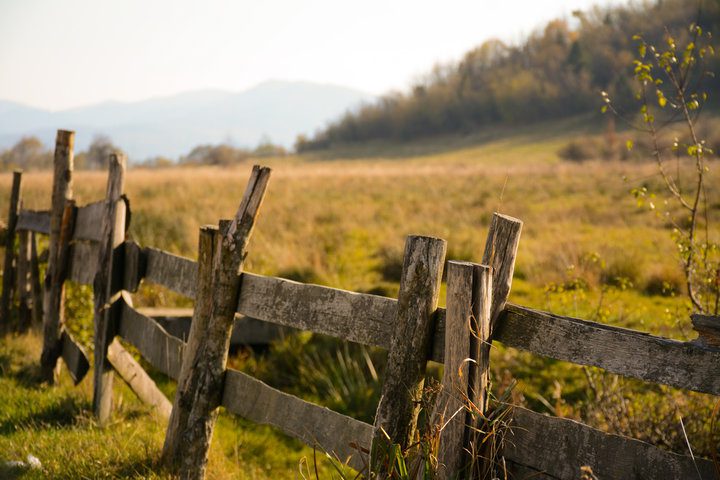
When it comes to maintaining and enhancing your wood fence, one of the most common questions property owners ask is: should I paint or stain my fence in Houston, TX? Both options offer protective and aesthetic benefits, but the right choice depends on your goals, your property type, and how well the finish can stand up to the Gulf Coast climate.
Griffin Fence, based in Houston, Texas, works with homeowners and commercial property managers throughout Harris County, Fort Bend County, Montgomery County, and Galveston County. With decades of experience installing and maintaining wood fencing, the team understands how local conditions affect fence finishes. Whether you own a home in Katy, manage an office park in Sugar Land, or oversee an industrial property in Pasadena, the choice between paint and stain can significantly impact long-term performance and maintenance.
At a glance, here’s how fence painting vs staining in Houston typically compares:
- Paint creates a solid, opaque finish that covers the wood grain.
- Stain penetrates the wood and enhances its natural texture.
- Paint generally lasts longer before needing reapplication.
- Stain requires more frequent maintenance but is easier to recoat.
- Climate and sun exposure play a major role in performance.
Choosing between paint and stain is not simply about color preference. It’s about protection, durability, long-term cost, and how much maintenance you are prepared to handle. In Houston’s demanding climate, understanding these differences is essential for protecting your investment.
How Houston Weather Affects Your Fence Finish
Houston’s weather is beautiful for much of the year, but it can be extremely harsh on exterior structures. High humidity, heavy rainfall, intense UV exposure, and the potential for hurricanes or tropical storms all place stress on wood fences and their protective coatings.
Moisture is one of the biggest challenges. In neighborhoods across The Woodlands, Pearland, and League City, wood fences are regularly exposed to humidity levels that can exceed 80 percent. This moisture can cause wood to swell, contract, and eventually crack. If a finish does not allow proper breathability or fails to seal the wood effectively, peeling, bubbling, or mildew growth can occur.
Key weather-related factors affecting fence painting and staining in Houston include:
- High humidity that promotes mold and mildew
- Strong UV rays that cause fading and drying
- Frequent rain that leads to swelling and warping
- Tropical storms that introduce wind-driven debris and moisture
- Temperature swings that cause expansion and contraction
Paint forms a surface-level barrier. While this can be highly effective in blocking moisture when properly applied, any crack or chip in the paint film allows water to get underneath, which can accelerate peeling. Stain, on the other hand, penetrates the wood fibers. Because it soaks in rather than sitting on top, it is less prone to peeling but may fade faster under direct sun exposure.
In areas like Galveston County, where salt air can also contribute to deterioration, choosing the right finish becomes even more critical. Griffin Fence evaluates site-specific conditions before recommending painting or staining to ensure the best performance over time.
Pros and Cons of Painting a Wood Fence in Houston
Painting a wood fence offers a bold, uniform appearance that many homeowners appreciate. A painted fence can dramatically enhance curb appeal, especially for properties with a specific architectural style or color scheme. For commercial properties, paint can align fencing with brand standards or create a clean, professional perimeter.
One of the main advantages of paint is its durability when properly applied over prepared wood. High-quality exterior paint can last several years before needing a full repaint, especially if the fence is installed and finished correctly from the start.
Advantages of painting your fence in Houston:
- Provides a solid, opaque finish with strong visual impact
- Offers excellent UV protection
- Can last 5 to 10 years with proper prep and application
- Helps seal minor surface imperfections
- Wide range of color options for custom design
However, painting also has drawbacks in Houston’s climate. Because paint sits on top of the wood, it is more likely to peel or chip over time. Once peeling begins, maintenance becomes more labor-intensive. Scraping and sanding are often required before repainting, increasing long-term upkeep costs.
Disadvantages of painting a fence:
- Peeling and chipping in humid conditions
- More extensive prep work for repainting
- Traps moisture if improperly applied
- Less forgiving on aging or weathered wood
- Difficult to switch to stain later without full stripping
For older fences in areas like Cypress or Spring, painting may not be ideal unless the wood is in excellent condition. Griffin Fence often recommends thorough inspection and preparation before painting to ensure maximum adhesion and longevity.
Benefits of Staining Your Houston Fence Today
Staining is a popular option for wood fences across the Greater Houston area because it complements the natural beauty of cedar and pressure-treated pine. Rather than covering the wood grain, stain enhances it, creating a warm and organic look that fits many residential landscapes.
Because stain penetrates into the wood, it moves with the natural expansion and contraction caused by Houston’s humidity. This reduces the likelihood of cracking and peeling. When fading occurs, maintenance is generally simpler compared to repainting.
Key benefits of staining a fence in Houston, TX:
- Enhances the natural wood grain
- Less prone to peeling or chipping
- Easier and faster to reapply
- Allows wood to breathe
- Often requires less prep for maintenance coats
There are different types of stain to consider, including transparent, semi-transparent, and solid stain. Transparent stains highlight the wood’s natural appearance but may require more frequent reapplication. Semi-transparent stains provide additional UV protection while still showing wood texture. Solid stains offer more coverage, similar to paint, but typically penetrate better and resist peeling.
In communities such as Richmond and Missouri City, where homeowners often value natural landscaping aesthetics, stain is frequently the preferred choice. Griffin Fence helps clients evaluate which stain type offers the best balance of protection and appearance based on sun exposure, wood type, and desired maintenance schedule.
Cost Differences Between Paint and Stain
Cost is an important consideration for both residential and commercial property owners. While the upfront price of painting and staining can be similar, long-term costs often differ due to maintenance cycles and preparation requirements.
Initial costs depend on several factors:
- Fence size and height
- Wood type and condition
- Level of prep work required
- Product quality
- Labor rates in the Houston market
In many cases, stain may be slightly less expensive to apply initially because it typically requires fewer coats and less intensive surface preparation. Paint, however, may offer longer intervals between full refinishing projects if maintained properly.
Long-term cost considerations:
- Paint may last longer but costs more to strip and reapply.
- Stain may require reapplication every 2 to 4 years in high-sun areas.
- Repairs to peeling paint can increase labor costs.
- Stain touch-ups are generally simpler and more localized.
- Storm-related damage may require partial refinishing.
For example, a commercial property manager in Harris County maintaining multiple wood fences may find stain more cost-effective due to easier maintenance cycles. Meanwhile, a homeowner seeking a specific exterior color match might prioritize paint despite potentially higher long-term upkeep.
Griffin Fence provides transparent estimates and explains both short-term and long-term financial implications so clients can make informed decisions. Being based in Houston, Texas, the company understands local pricing trends and material performance across the metro area.
Choosing the Right Finish for Your Fence
Ultimately, choosing between fence painting vs staining in Houston, TX comes down to your goals, property type, and maintenance expectations. There is no universal answer. The right choice depends on how you use your space, how much sun your fence receives, and how often you are willing to maintain it.
If you are aiming for a classic, uniform look that matches your home’s trim or exterior color, paint may be the right fit. If you prefer a natural aesthetic that highlights wood grain and offers easier maintenance, stain could be the better option.
Consider these decision-making factors:
- Desired appearance and color flexibility
- Willingness to perform ongoing maintenance
- Age and condition of existing fence
- Level of sun and moisture exposure
- Budget for long-term upkeep
For commercial properties in high-visibility areas such as retail centers or office complexes, branding and curb appeal may drive the decision toward paint. For residential backyards in suburban communities, stain often offers a balanced combination of beauty and practicality.
Griffin Fence serving the Greater Houston area works closely with clients to evaluate each project individually. From new fence installations in 77084 to repair and refinishing projects in 77379, the team ensures that every fence is protected with a finish designed for Houston’s unique climate conditions.
By investing in the right finish and professional application, property owners can extend the life of their fence, enhance property value, and reduce long-term repair costs. Whether painting or staining, expert preparation and quality materials are essential for lasting results.
Frequently Asked Questions
How long does a wood fence typically last in Houston, TX?
In Houston’s humid climate, a professionally installed and properly maintained wood fence can last 15 to 20 years. Regular sealing, staining, or painting significantly extends its lifespan by protecting against moisture and UV damage. Griffin Fence serving the Greater Houston area installs high-quality wood fencing designed to withstand local weather conditions and offers maintenance guidance to maximize durability.
Does Griffin Fence offer fence repair after storms in the Houston area?
Yes, Griffin Fence provides responsive fence repair services following severe weather events throughout Harris County, Fort Bend County, Montgomery County, and Galveston County. High winds, heavy rain, and fallen debris can damage wood, chain link, and ornamental iron fences. Their team assesses structural integrity, replaces damaged sections, and restores security and appearance as quickly as possible.
What types of fencing materials are best for commercial properties in Houston?
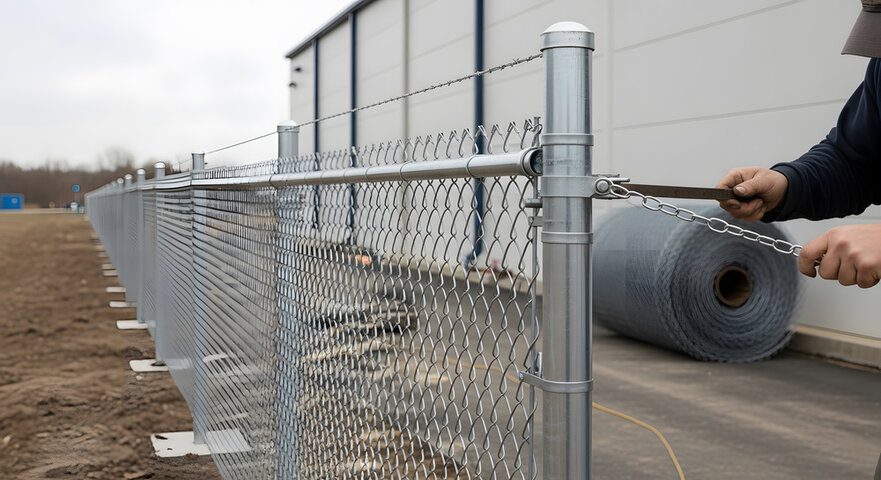
Commercial properties in Houston often benefit from chain link, ornamental iron, or reinforced wood fencing, depending on security and aesthetic needs. Chain link is cost-effective and durable, while ornamental iron offers strength and a professional appearance. Griffin Fence works with business owners and property managers to design commercial fencing solutions that balance security, compliance, and curb appeal.
Can I customize the design of my residential fence?
Yes, custom fence design is one of the specialties of Griffin Fence. Homeowners throughout the Greater Houston area can choose from various heights, styles, gate configurations, and decorative elements. Whether you prefer a traditional privacy fence, a decorative cap-and-trim design, or a custom gate entry, the team ensures the final product complements your property.
Is staining better than painting for pressure-treated wood fences?
Staining is often recommended for pressure-treated wood fences because it penetrates the wood and allows it to breathe. This is especially important in Houston’s humid environment, where trapped moisture can lead to peeling paint. Griffin Fence evaluates the condition and age of your fence before recommending the most suitable finish for long-term performance.
How much does fence installation cost in the Greater Houston area?
Fence installation costs vary depending on material, height, length, terrain, and customization. Wood, chain link, and ornamental iron all have different price points. Griffin Fence provides detailed estimates tailored to each project, helping residential and commercial clients understand their options and make informed decisions based on budget and performance goals.
Do you install custom gates for driveways and commercial properties?
Yes, Griffin Fence designs and installs custom gates for both residential driveways and commercial properties. Options include manual and automated gates, ornamental iron designs, and reinforced security gates. Each gate is built to match the fence style while providing reliable functionality and long-term durability in Houston’s climate.
How often should I repaint or restain my fence in Houston?
In general, stained fences may need maintenance every 2 to 4 years, depending on sun exposure and product type. Painted fences can last 5 to 10 years but may require touch-ups if peeling occurs. Griffin Fence serving the Greater Houston area can inspect your fence and recommend a maintenance schedule based on its current condition and environmental exposure.
If you are considering fence painting vs staining in Houston, TX, consulting with an experienced local contractor ensures your fence remains strong, attractive, and protected for years to come. Griffin Fence is proud to serve homeowners and businesses across the Greater Houston metropolitan area with dependable craftsmanship and service-oriented solutions.