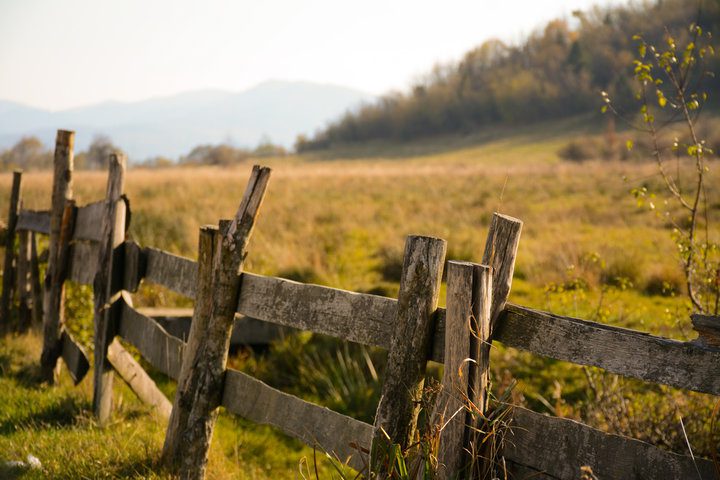
Wood fencing remains one of the most popular choices for residential and commercial properties across the Greater Houston area. From classic cedar privacy fences in Katy to perimeter fencing around commercial properties in The Woodlands, wood offers warmth, security, and curb appeal. However, Houston’s humid subtropical climate creates ideal conditions for fence rot. Without proper maintenance and timely repairs, even the highest-quality fence can deteriorate faster than expected.
Griffin Fence, based in Houston, Texas, provides professional fence rot repair solutions for homeowners and businesses throughout Harris County, Fort Bend County, Montgomery County, and Galveston County. With decades of experience in custom fence installation and repair, their team understands how local soil conditions, weather patterns, and building standards affect wood fencing performance. Whether your property is in Sugar Land, Pearland, League City, Cypress, or central Houston, prompt repair services can extend the life of your fence and protect your investment.
This comprehensive guide explains the common causes of fence rot in Houston, warning signs to watch for, professional repair options, and how to prevent future damage. If you are searching for Fence Rot Repair Houston, TX solutions, the following information will help you make confident, informed decisions about your property.
Common Causes of Fence Rot in Houston TX Homes
Houston’s climate plays a major role in wood fence deterioration. High humidity, heavy rainfall, and frequent storms create moisture-rich environments that accelerate fungal growth and wood decay. Even pressure-treated lumber can eventually break down if consistently exposed to standing water and damp soil.
One of the most common causes of fence rot is ground contact. Fence posts set directly into soil are constantly exposed to moisture. Over time, water seeps into the wood fibers, especially when drainage is poor. Clay-heavy soils found in parts of Harris and Fort Bend counties can retain moisture longer, further increasing the risk of rot.
Other frequent causes of fence rot in Houston include:
- Persistent humidity levels above 70 percent
- Poor drainage around fence lines
- Inadequate sealing or staining
- Sprinkler systems hitting fence boards daily
- Storm-related water pooling at post bases
Another contributing factor is improper installation. When fence posts are not set at the correct depth or without proper concrete footing, water can collect around the base. Additionally, if pickets are installed too close to the ground, they may wick moisture upward after rainfall.
In coastal communities such as Galveston and Texas City, salt-laden air can compound moisture-related deterioration. Salt exposure can break down protective finishes faster, leaving wood vulnerable to fungal growth. For commercial properties with large perimeters, these effects can go unnoticed until structural issues arise.
Seasonal storms and hurricanes also increase the likelihood of rot. Strong winds may loosen boards, creating gaps where water can penetrate. After heavy rainfall, fences that remain saturated for extended periods are more likely to develop decay in concealed areas.
Key environmental contributors to fence rot in the Houston metro area include:
- Extended rainy seasons and tropical storms
- Flood-prone low-lying neighborhoods
- Shaded fence lines with limited sunlight
- Dense landscaping trapping moisture
- Inconsistent maintenance routines
Understanding these causes helps property owners take proactive steps to reduce risk and seek professional fence rot repair services when needed.
Warning Signs Your Wood Fence Is Rotting
Fence rot often begins subtly. By the time visible damage appears, structural weakening may already be underway. Early detection is critical to minimizing repair costs and preventing full fence replacement.
One of the first warning signs is discoloration. Wood affected by rot may appear darker than surrounding boards or develop gray, green, or black patches. Soft spots are another clear indicator. If you press on the wood and it feels spongy or crumbles easily, decay has likely set in.
Look for these common symptoms of wood fence rot:
- Cracked or splitting boards near the base
- Loose or leaning fence posts
- Flaking, peeling, or bubbling paint or stain
- Fungal growth or visible mold
- Boards that break apart easily when handled
Leaning sections of fence often indicate post rot below ground level. While the above-ground wood may appear intact, the portion embedded in soil may have deteriorated significantly. This is particularly common in older fences throughout established Houston neighborhoods such as those near 77008, where aging fencing materials meet decades of humidity exposure.
Gate areas are also vulnerable. Because gates experience frequent movement and weight stress, even minor rot in supporting posts can cause sagging, misalignment, or difficulty latching. For commercial properties, this can compromise both security and accessibility.
Additional subtle warning signs include:
- Rusting fasteners surrounded by soft wood
- Increased insect activity near fence lines
- Sections that sway during moderate wind
- Gaps forming between boards
- Uneven fence height along a straight run
If you notice any of these issues, a professional inspection from a trusted Houston fence contractor like Griffin Fence can determine whether repair or replacement is the most cost-effective solution.
Professional Fence Rot Repair Options in Houston
When rot is identified early, targeted repairs can significantly extend the lifespan of your fence. Professional fence rot repair in Houston, TX focuses on removing compromised wood while preserving structurally sound sections.
One common solution is partial board replacement. If only select pickets or rails are affected, those components can be removed and replaced with new treated lumber. This approach maintains the fence’s overall structure while restoring appearance and strength.
Professional repair options may include:
- Replacing individual pickets or rails
- Installing new support posts
- Reinforcing weakened sections
- Applying protective sealants and stains
- Adjusting gates and hardware
Post replacement is often necessary when rot affects the base of the fence. Griffin Fence carefully removes damaged posts and installs new pressure-treated posts set in properly mixed concrete for stability. This process ensures long-term durability, especially in moisture-prone soil conditions found across Montgomery County and surrounding areas.
In cases where rot is widespread but not total, sectional replacement may be recommended. Instead of replacing the entire fence, only the compromised panels are rebuilt. This is a cost-effective solution for both residential backyards and commercial properties with long fence lines.
For businesses, maintaining a secure perimeter is critical. Commercial fence rot repair may involve:
- Structural reinforcement for security fencing
- Replacing damaged privacy panels
- Upgrading materials for longer lifespan
- Coordinating repairs to minimize operational disruption
- Ensuring compliance with local property requirements
After repairs, protective finishing is essential. Professional staining and sealing create a barrier against moisture intrusion. Griffin Fence uses high-quality products designed to withstand Houston’s intense sun and heavy rainfall, helping property owners maximize their investment.
Why Timely Fence Repairs Save You Money in Texas
Delaying fence rot repair may seem harmless at first, but minor issues can escalate quickly. Moisture spreads through wood fibers, meaning one damaged board can eventually compromise adjacent sections.
Timely repairs prevent structural instability. A single rotted post can cause an entire fence run to lean or collapse during a storm. Addressing localized damage early helps avoid emergency replacements after severe weather events common in the Greater Houston area.
Financial benefits of prompt repair include:
- Avoiding full fence replacement costs
- Preventing storm-related collapse
- Reducing liability risks
- Maintaining property value
- Preserving curb appeal
For homeowners preparing to sell, a well-maintained fence enhances first impressions. In competitive real estate markets like Sugar Land and The Woodlands, visible fence damage can negatively impact buyer perception. Investing in fence rot repair before listing a property can support stronger offers.
Commercial property owners also benefit from proactive maintenance. A deteriorating fence may create security vulnerabilities. Repairing rot promptly protects inventory, equipment, and tenant safety.
Additional long-term savings come from:
- Extending fence lifespan by several years
- Reducing recurring repair frequency
- Protecting landscaping investments
- Minimizing emergency service costs
- Maintaining insurance compliance standards
In many cases, early intervention transforms what could become a multi-thousand-dollar replacement into a manageable repair project.
Choosing the Right Fence Contractor in Houston TX
Selecting a qualified contractor is essential for effective fence rot repair. Houston’s unique environmental conditions require experience and local knowledge. Not all repair methods are equally effective in high-humidity climates.
Griffin Fence is based in Houston, Texas and serves residential and commercial customers throughout the surrounding metropolitan area, including areas near 77084 and beyond. Their team understands regional soil composition, permitting considerations, and material performance in Southeast Texas.
When evaluating a fence contractor, look for:
- Proven experience in wood fence repair
- Knowledge of Houston climate challenges
- Clear, detailed repair estimates
- High-quality materials
- Strong local reputation
Communication is equally important. A reputable contractor should thoroughly inspect the fence, explain the extent of rot, and outline practical solutions. Transparent recommendations help property owners understand whether repair or replacement is more appropriate.
For commercial clients, scheduling flexibility and minimal disruption are key considerations. Griffin Fence works with property managers and business owners to coordinate efficient repair timelines.
Additional qualities to prioritize include:
- Licensed and insured operations
- Skilled craftsmanship
- Reliable project timelines
- Warranty-backed workmanship
- Experience with residential and commercial fencing
Choosing the right contractor ensures repairs are performed correctly the first time, reducing future complications.
Preventing Future Rot in Wood Fencing Around Your Property
Prevention is the most cost-effective strategy for long-term fence performance. With proper care, a wood fence in Houston can last many years despite challenging environmental conditions.
Routine maintenance should include cleaning and resealing. Removing dirt, mildew, and debris prevents moisture retention. Applying a quality stain or sealant every few years creates a protective barrier against rain and humidity.
Effective rot prevention strategies include:
- Keeping sprinklers directed away from fencing
- Trimming vegetation near fence lines
- Ensuring proper drainage around posts
- Maintaining a small gap between boards and soil
- Scheduling annual professional inspections
Improving drainage can significantly reduce moisture exposure. French drains, gravel borders, or slight grading adjustments may prevent water from pooling along the fence line.
Homeowners and commercial property managers should also monitor fences after major storms. Even if no immediate damage is visible, hidden moisture intrusion may occur.
Long-term protective measures may involve:
- Upgrading to pressure-treated or rot-resistant wood
- Installing metal post supports
- Applying UV-resistant sealants
- Replacing older hardware with corrosion-resistant fasteners
- Considering alternative materials for high-moisture zones
Griffin Fence provides guidance on material selection and preventative maintenance tailored to Houston-area properties. By combining professional repairs with proactive care, property owners can maximize durability and appearance.
Frequently Asked Questions
How do I know if my fence needs repair or full replacement?
A professional inspection is the best way to determine whether repair or replacement is necessary. If rot is limited to a few boards or posts, targeted repairs can often restore structural integrity. Griffin Fence serving the Greater Houston area evaluates each fence carefully and provides honest recommendations based on safety, cost-effectiveness, and long-term performance.
How long does wood fence rot repair take in Houston?
Most minor fence rot repairs can be completed within a day, depending on the extent of the damage. Larger sectional repairs or post replacements may take longer. Griffin Fence works efficiently while maintaining high craftsmanship standards for residential and commercial properties throughout Houston and surrounding communities.
Can storm-damaged fences with rot be repaired?
Yes, many storm-damaged fences can be repaired if the structural framework remains intact. After severe weather in the Greater Houston area, Griffin Fence provides responsive repair services to address leaning posts, broken boards, and moisture-related rot before further deterioration occurs.
What materials are best for preventing rot in Texas climates?
Pressure-treated lumber and naturally rot-resistant woods such as cedar perform well in Houston’s humid climate. Proper sealing and maintenance are equally important. Griffin Fence also offers chain link and ornamental iron options for property owners seeking lower-maintenance alternatives to wood fencing.
Does Griffin Fence handle commercial fence rot repair?
Yes, Griffin Fence provides commercial fence repair services across Harris County, Fort Bend County, Montgomery County, and Galveston County. Their team works with business owners and property managers to restore security, improve appearance, and ensure fencing remains structurally sound.
How often should I seal or stain my wood fence in Houston?
In most cases, wood fences in Houston should be sealed or stained every two to three years. However, exposure levels vary depending on sunlight, rainfall, and landscaping conditions. Griffin Fence can recommend a maintenance schedule tailored to your specific property and fence type.
Can leaning fence posts be fixed without replacing the whole fence?
Often, yes. If the issue is isolated to one or two posts, those posts can typically be replaced while preserving surrounding panels. Griffin Fence uses proper footing and installation techniques to stabilize fence lines and prevent recurring leaning problems.
Do you offer custom gate repair and reinforcement services?
Yes, Griffin Fence designs, installs, and repairs custom gates for residential and commercial properties. If rot affects gate posts or surrounding panels, their team can reinforce or rebuild the area to ensure smooth operation, security, and long-term durability.
For reliable Fence Rot Repair Houston, TX solutions, Griffin Fence delivers professional craftsmanship, responsive service, and long-lasting results throughout the Greater Houston area.