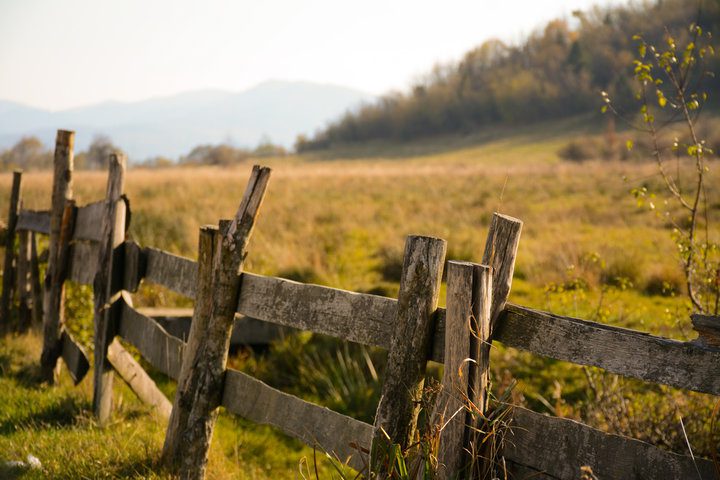
In Houston, TX, a wood fence takes a beating. Between long stretches of humidity, intense UV, sudden downpours, and the occasional hard freeze, bare wood weathers fast. Fence staining is one of the most cost-effective ways to protect your investment, keep the boards from drying out and splitting, and cut down on mildew and algae growth.
In this guide, we’ll explain the best stain types for Texas heat and Gulf Coast humidity, what prep actually matters, and how often most Houston homeowners should plan to re-stain. If you want a professional result without the hassle, we can help with new installs, repairs, and ongoing maintenance.
Why fence staining matters in Houston’s climate
Houston’s weather challenges fences in a few predictable ways:
- Moisture cycles: Boards swell after rain and morning dew, then shrink as the sun bakes them dry.
- UV exposure: Direct sun breaks down lignin in the surface fibers, turning wood gray and fuzzy over time.
- Mildew and algae: Shaded fence runs (especially on the north side of homes and behind dense landscaping) stay damp longer, which encourages growth.
- A good stain slows water absorption so the wood moves less with each weather swing.
- Adding pigment improves UV resistance and helps keep the fence looking consistent.
- Regular maintenance is easier and cheaper than replacing warped pickets and rotted rails.
Oil-based vs water-based fence stains (what we recommend in Houston, TX)
Most fence stains fall into two big families: oil-based (solventborne) and water-based (latex/acrylic). Both can work, but they behave differently in our conditions.
Oil-based (solventborne) penetrating stains
For many Houston fences, we lean toward a high-quality penetrating, oil-based semi-transparent stain because it soaks into the wood instead of building a thick film on top. The USDA Forest Products Laboratory notes that penetrating oil-based semitransparent stains “penetrate the wood without forming a continuous layer,” so they don’t blister or peel like film finishes can when moisture gets behind them.
- Pros: Deep penetration, very forgiving maintenance (recoat without heavy scraping), strong water repellency.
- Cons: Longer dry time, stronger odor/VOCs, more sensitive to rain in the first day.
- If your fence gets a lot of sun and rain, a penetrating stain is usually the easiest to maintain long term.
- Penetration matters more than “thickness” for vertical fence boards.
Water-based stains
Water-based stains can be great when you want faster drying and easier cleanup. The tradeoff is that some water-based products behave more like a thin coating than a true penetrating stain, which can shorten life on fully exposed fences if the product isn’t designed for that use. The USDA Forest Products Laboratory cautions that some latex semitransparent stains “do not penetrate the wood surface” and can be better suited to more protected applications.
- Pros: Faster dry time, lower odor, easy soap-and-water cleanup.
- Cons: Some products can wear unevenly or flake if applied too heavily or over damp wood.
- Water-based can be a good option when timing is tight and the forecast is stable.
- The product label (and the prep) matter more than the marketing claims.
Transparent vs semi-transparent vs solid stain (what lasts and what looks best)
Homeowners often ask for a “clear” stain. In Houston, a truly clear finish rarely performs well outdoors because UV destroys clear coatings quickly. Pigment is your friend.
- Transparent: Looks natural, but offers minimal UV protection and typically needs frequent re-application.
- Semi-transparent / semi-solid: Our most common recommendation for Houston fences: still shows wood grain, but has enough pigment to resist fading.
- Solid-color (opaque): Looks more like paint; hides grain and covers uneven boards.
One key detail: film-forming opaque stains can look great, but they’re maintenance-heavy on fences. The USDA Forest Products Laboratory notes that opaque stains form a film and can require paint-like prep when they wear. For many fence owners, that extra maintenance isn’t worth it unless the fence is already very weathered and needs the “reset” look.
- More pigment usually equals better UV protection and longer color life.
- If you want the easiest future maintenance, avoid thick film finishes on a fully exposed fence line.
How often should you stain a fence in Houston, TX?
There’s no single number that fits every property, but here’s a practical guideline we use:
- Semi-transparent penetrating stain: Often needs a maintenance coat about every 2–4 years, depending on sun exposure and sprinkler overspray.
- More pigmented (semi-solid): Can stretch longer when applied correctly and maintained before the wood goes fully bare.
- Solid-color systems: Can last longer in color, but when they fail they usually require more prep to refresh.
- Sun-facing fence runs (west/south exposure) usually need attention first.
- Shaded fence runs often last longer in color but may need more mildew cleaning.
Best time of year to stain a fence in Houston
We can stain fences year-round, but ideal windows are usually:
- Spring: Great temps, but watch pollen and pop-up showers.
- Fall: Often the best balance of lower humidity and milder sun.
- Summer: Totally workable, but we plan carefully around heat, surface temperature, and afternoon storms.
In hot months, we typically work earlier and keep an eye on direct sun. The USDA Forest Products Laboratory recommends working in shade when possible to reduce lap marks.
- Pick a stretch with no rain in the forecast and time for the wood to dry after any washing.
- Early mornings can look “dry” but still hold dew—plan stain application after surfaces are fully dry.
Fence staining prep: what actually makes the stain last
We also pay attention to how the fence was built. If posts are set too shallow, rails are undersized, or pickets are fastened inconsistently, the fence will move more in storms and the stain will wear faster at joints and end-grain. If you’re noticing wobble, leaning, or pickets that keep popping loose, it’s usually smarter to correct the underlying structure first rather than trying to “seal it up” with stain.
- Stain protects wood fibers, but it can’t fix structural problems like loose posts or failed fasteners.
- End-grain (the cut ends of pickets and rails) absorbs moisture quickly, so it’s a key area we check during prep.
Most staining failures we see come from two issues: (1) staining damp wood and (2) skipping cleaning on fences with mildew/algae. Prep doesn’t have to be complicated, but it has to be done.
1) Clean the fence (mildew and algae have to go)
If your fence has green growth, dark spotting, or a slick feel in shaded areas, clean it first. The USDA Forest Products Laboratory provides a practical mildew-cleaning mix (detergent + household bleach + warm water) and notes you should allow the wood to dry 1–2 days before staining after cleaning.
2) Let the fence dry thoroughly
After rain or washing, give the fence time to dry. In Houston, high humidity can make wood hold moisture longer than you expect, especially on fences backed by dense landscaping or with poor airflow. When in doubt, a moisture meter is inexpensive insurance.
3) Light sanding (only where needed)
For most fences, you don’t need to sand everything. We focus on:
- Fuzzy weathered fibers on sun-baked boards
- Drips or old film residue
- Patch repairs where new pickets meet older wood
- Cleaning and drying typically matter more than aggressive sanding.
- Spot-sanding improves absorption on sun-damaged boards.
Common fence stain color choices that work well in Houston neighborhoods
Color is personal, but we see a few consistent favorites in Houston, TX:
- Natural cedar / honey tones: Warm, classic, hides dust and pollen well.
- Medium browns: Great for privacy fences and traditional homes.
- Dark walnut / espresso: Sharp modern look, but can show dust and can run hotter in direct sun.
- Transparent “wet look”: Looks great on fresh cedar, but expect more frequent maintenance.
If you’re installing new cedar, consider reading our guide on cedar fence installation so you start with the right material and layout for your property.
DIY vs professional fence staining (what we see most often)
DIY staining can go well if you have time, the right tools, and a stable forecast. Professional staining is usually worth it when:
- Your fence has significant mildew/algae or sprinkler staining
- You need repairs first (loose pickets, leaning posts, or warped rails)
- You want even color across long runs without lap marks
- You have tight access areas (narrow side yards, landscaping, pools)
If the fence needs fixing before staining, start with fence repair in Houston, TX so the stain goes onto solid, stable wood.
- Staining over loose pickets is temporary—repairs first saves money.
- Pros can stage work around Houston’s afternoon storm patterns.
Staining over older pressure-treated wood: what homeowners should know
If you have an older fence or structure made from pressure-treated lumber, you may have heard concerns about older wood preservatives. The U.S. Environmental Protection Agency notes that for older structures built with chromated arsenicals-treated wood, applying a penetrating protective coating (such as oil- or water-based stains) on a regular basis may help reduce chemical leaching.
- A penetrating stain is useful both for appearance and as part of ongoing surface protection.
- Follow product labels and basic safety practices when cleaning, sanding, or refinishing old treated wood.
Internal links: related Griffin Fence resources
- Wood fencing in Houston, TX
- Houston, TX wood fence installation specialists
- Fence installation services in Houston, TX
- Our fence installation process
- Warranty information
- Financing options
FAQ: fence staining in Houston, TX
How long should I wait to stain a new fence in Houston?
It depends on the wood type and moisture content. Pressure-treated pickets often need more time to dry, while cedar can be ready sooner. If water beads on the surface instead of soaking in, the wood usually isn’t ready. We can check your fence and recommend the right timing.
Should I stain both sides of a privacy fence?
If you have access to both sides, staining both is ideal because it helps the boards absorb moisture more evenly. That said, many fences are only accessible from one side. In those cases, we focus on doing the accessible side correctly and keeping sprinklers from soaking the fence line.
What’s better in Houston: semi-transparent or solid stain?
Most homeowners prefer semi-transparent or semi-solid because it protects while still showing the grain. Solid stain can look great for older, mismatched boards, but it may require more paint-like prep when it’s time to refresh.
Can you stain a fence the same week it’s repaired?
Yes, in many cases. The key is matching moisture levels between new pickets and existing wood and choosing a stain that blends well. We often schedule repairs first, then stain once everything is clean and dry.
Get a fence staining estimate in Houston, TX
Whether you need a full fence staining refresh, spot repairs before staining, or a plan to keep your cedar looking great long-term, we’re ready to help.
Call Griffin Fence today at (713) 937-6611 or contact us online for a free estimate.
External references: USDA Forest Products Laboratory: Selection and Application of Exterior Stains for Wood (PDF); U.S. EPA: Chromated Arsenicals (CCA)