In Houston, TX, fences take a beating from heat, humidity, shifting clay soil, and the occasional Gulf storm. If you’re shopping for a new fence (or deciding whether to repair what you have), the smartest move is to plan around our real-world conditions: drainage, wind load, corrosion, and how fast wood can hold moisture.
This guide walks through how we help homeowners and property managers choose a fence that looks great on day one and still performs after hard rain and high winds. We’ll cover material options, build details that matter, and practical ways to compare bids so you’re not surprised after installation.
Start with your goals: privacy, security, pets, or curb appeal
Before you compare materials, we recommend you decide what “success” looks like for your property. A backyard privacy fence for kids and dogs is a different build than a decorative front-yard fence or a commercial perimeter with access control.
- Privacy: tighter picket spacing, taller heights, and thoughtful gate placement.
- Security: stronger posts, tamper-resistant hardware, and limited climb points.
- Pet containment: a bottom seal detail, correct height, and fewer gaps.
- Appearance: a style that matches your home and neighborhood expectations.
If you’re comparing options, start with our service overview: https://griffinfence.com/. Then narrow down by material.
Fence material options that work well in Houston, TX
Houston’s climate is the reason we don’t recommend “one size fits all.” Your best fence depends on shade, drainage, and whether you’re near salt air. Below are the most common choices we build and how they behave locally.
Wood fencing (cedar, pine, and pressure-treated)
Wood remains the most popular for privacy because it blocks sight lines and can be customized for height, style, and staining. In Houston, we often steer homeowners toward cedar for stability and natural resistance, especially in backyards with heavy watering and shade.
- Cedar tends to resist rot and insects better than many other softwoods.
- Pressure-treated pine can be cost-effective, but it needs the right build details and maintenance plan.
- Staining and sealing matters more here because humidity can keep boards damp for longer periods.
- Choose wood when you want maximum privacy and a traditional look.
- Plan to stain or seal on a schedule that fits Houston’s humidity.
- Prioritize quality posts and drainage so panels stay straight.
Related guides: https://griffinfence.com/about/ and https://griffinfence.com/access-control/.
Chain link fencing (galvanized or vinyl-coated)
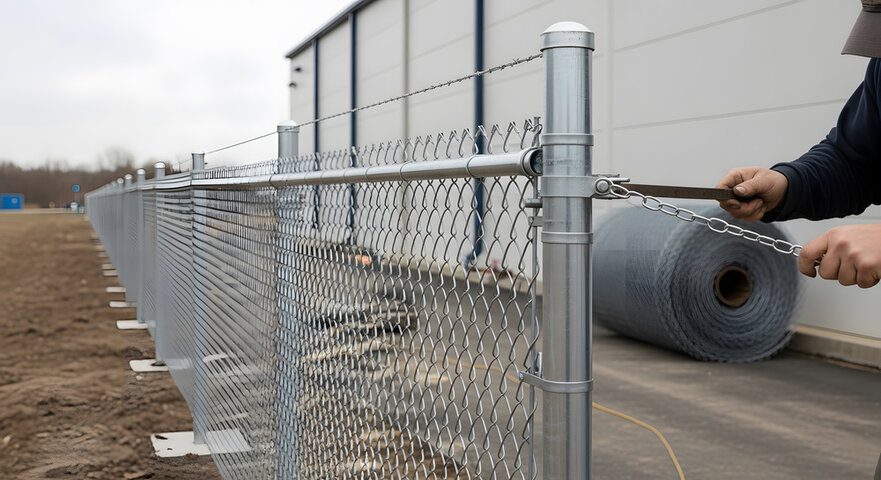
Chain link is a practical option for side yards, pet runs, and large perimeters where visibility is preferred. In Houston, the big questions are corrosion resistance and privacy add-ons.
- Galvanized chain link is the classic budget-friendly option.
- Black vinyl-coated chain link provides a cleaner look and added corrosion protection.
- Privacy slats or screens can reduce visibility without the full cost of wood.
- Choose chain link for durability, visibility, and lower ongoing maintenance.
- Pick coated materials and quality fittings to reduce rust risk.
- For privacy, compare screens and slats before committing to full wood.
See: https://griffinfence.com/access-control/access-control-repairs/.
Iron and ornamental metal fencing
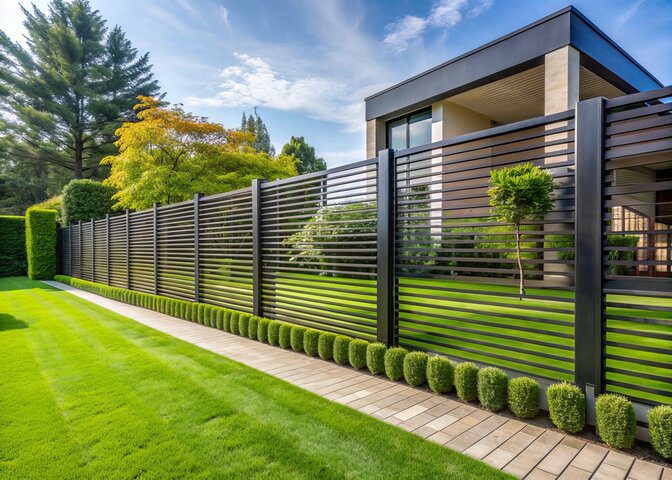
Ornamental iron is often the best blend of security and curb appeal, especially on front yards and around pools where visibility is important. In our area, finish quality and rust prevention are the difference between a fence that ages well and one that needs constant touch-ups.
- Powder coating and high-quality primers help resist moisture.
- Weld quality affects strength and long-term appearance.
- Gate alignment and hardware selection are critical for smooth operation.
- Choose iron when you want strong security with an upscale look.
- Confirm coating and warranty details in writing.
- Plan for periodic washing and inspection after storms.
More: https://griffinfence.com/access-control/new-access-control-systems/.
Vinyl and composite fencing
Vinyl and composite can be great for homeowners who want a consistent look and minimal upkeep. The key in Houston is ensuring the fence is installed with proper bracing and posts so it stays plumb through temperature swings and wet soil conditions.
- Vinyl won’t rot, but it still needs a stable structure underneath.
- Composite can offer better rigidity depending on the product line.
- Wind exposure matters; we plan reinforcement differently on open lots.
- Choose vinyl/composite when low maintenance is the priority.
- Ask how posts are set and reinforced for local soil conditions.
- Confirm availability of matching gates and hardware.
Also consider: https://griffinfence.com/access-control/service-calls/.
Build details that make or break a Houston fence
Two fences can use the same material and still perform very differently. In Houston, most fence problems come from post setting, drainage, and hardware choices.
1) Post depth and concrete footing size
Strong posts are the foundation of a straight fence. With our clay soil, we focus on a footing that resists movement and accounts for saturation after heavy rain. A proper build plan also considers wind load on taller privacy styles.
- Deeper, well-formed footings reduce leaning after storms.
- Consistent spacing helps panels distribute wind load evenly.
- Corner and gate posts should be reinforced beyond line posts.
2) Drainage and grade management
If water collects along your fence line, the bottom of wood pickets can stay wet for days. We often recommend small grade adjustments, careful panel clearance, and drainage planning as part of the install conversation.
- Keep wood off the ground where possible to reduce rot risk.
- Plan gaps and clearances that still meet pet needs.
- Inspect low spots and downspout discharge paths before installation.
3) Hardware and fasteners that resist corrosion
Houston humidity can shorten the life of cheap fasteners. For wood, we prefer fasteners that reduce staining and resist corrosion. For chain link and metal gates, the fittings and hinges matter just as much as the mesh or pickets.
- Quality hinges reduce sag and gate dragging.
- Better fasteners reduce rust streaks on wood.
- Latch selection affects everyday convenience and security.
Storm-readiness: designing your fence for high winds
Even when storms don’t make a direct hit, Houston can see strong gusts and saturated ground. If your property is exposed, we’ll talk through fence styles that handle wind better and reinforcement options that reduce the chance of a blowdown.
- Board-on-board and tall privacy styles create more wind load.
- Good post setting and bracing helps fences resist gusts.
- After a storm, inspect for leaning posts, loose hardware, and cracked panels.
For broader storm preparation guidance, we point homeowners to Ready.gov hurricane preparedness guidance and to track active systems via the NOAA National Hurricane Center.
How to compare fence quotes the right way
When you collect estimates, the price difference usually comes down to materials and installation details that aren’t obvious at first glance. We recommend you ask each contractor the same questions so you can compare apples to apples.
- What post size and depth are included?
- What fasteners and hardware are specified?
- Is hauling and disposal included?
- What warranty covers workmanship and materials?
- How will gates be built and reinforced to prevent sag?
- A clear written scope prevents surprise change orders.
- Better posts and hardware usually save money long term.
- Warranty details matter most after the first big storm.
If you want a checklist of contractor selection items, read: https://griffinfence.com/affordable-fence-repair-services-houston-tx/.
FAQ: choosing a fence in Houston, TX
What fence material lasts the longest in Houston, TX?
Long-lasting options depend on exposure and maintenance. Quality metal and properly installed chain link can last a long time with minimal upkeep, while wood can also perform well if it’s built with the right clearance, posts, and a staining plan.
Is a taller privacy fence always better for wind?
Not necessarily. Taller fences create more wind load, so the “best” choice depends on your lot exposure and the build details. In windy areas, reinforcement and strong posts matter as much as height.
Should I repair or replace my fence after storm damage?
If only a few panels are affected and posts are still solid, a targeted repair can make sense. If posts are leaning, footings have failed, or multiple sections are compromised, replacement is often the better investment.
How do I get a fence estimate that’s accurate?
Walk the full fence line, identify gates, slopes, and drainage issues, and ask for a written scope that lists post specs, hardware, and cleanup. That level of detail is what keeps a project on budget.
Get a fence that’s built for Houston, TX weather
If you’re ready to plan a fence that matches your property goals and holds up in our climate, we’d be glad to help.
Call Griffin Fence today at (713) 937-6611 or contact us online for a free estimate.