In many Houston neighborhoods, your homeowners association (HOA) cares just as much about how a fence looks as the City of Houston cares about whether it needs a permit. We’ve helped homeowners across Houston, TX—from established subdivisions to newer master-planned communities—navigate HOA fence rules, architectural review, and city requirements without turning a simple fence project into a months-long headache.
In this guide, we’ll walk through the HOA approval process, common restrictions we see around Houston, and the city-side rules that still apply even when your HOA signs off. If you want us to handle the measurement, material recommendations, and HOA submittal support, start with our Fence Installation Houston, TX team.
Why HOA fence rules matter in Houston, TX
Houston is full of deed-restricted communities. In practical terms, that means two different sets of rules can apply at the same time:
- HOA / deed restrictions (style, material, color, cap trim, picket orientation, gate location, and consistency with neighborhood design)
- City requirements (height, corner visibility, floodplain considerations, and when a permit is required)
If you skip HOA approval, many associations can issue violations, fines, and require you to modify or remove the fence. If you skip city requirements, you can run into permitting delays or forced corrections—especially with masonry, concrete, or unusually tall fences.
- Most HOA disputes happen because homeowners install first and ask later.
- Having a clean submittal packet (site plan + specs) is usually the fastest path to approval.
- When in doubt, align your fence project with both the HOA rules and City of Houston rules before ordering materials.
Common HOA fence restrictions we see around Houston-area communities
Every HOA is different, but across areas like Katy, Cypress, The Woodlands, Sugar Land, and many Houston, TX subdivisions, we commonly see these categories of restrictions:
1) Fence height limits
Most HOAs standardize on 6′ privacy fences for backyards, with limited approval paths for 7′–8′ fences where lots back to major streets, open space, or commercial buffers. Some communities restrict side-yard and front-yard fencing more tightly.
- Backyard privacy fences are often 6′ by default.
- Lots with rear neighbors may require “good neighbor” fencing (finished side facing out).
- Corner lots frequently have special height and setback rules near the street.
2) Approved materials (and what gets rejected)
Many HOAs allow wood privacy fencing but limit the exact style (picket type, cap, trim). Others allow ornamental iron on front-facing sides, and some permit vinyl or composite only in specific colors.
- Wood: Often allowed, but HOAs may require a specific picket (dog-ear or flat-top), cap-and-trim, and stain/finish rules.
- Ornamental iron: Common for front yards and pool fencing; see our Iron Fence Installation Near Me options for HOA-friendly looks.
- Vinyl / composite: Popular for low-maintenance projects; we often install these under HOA guidelines via Vinyl Fence Installation Near Me.
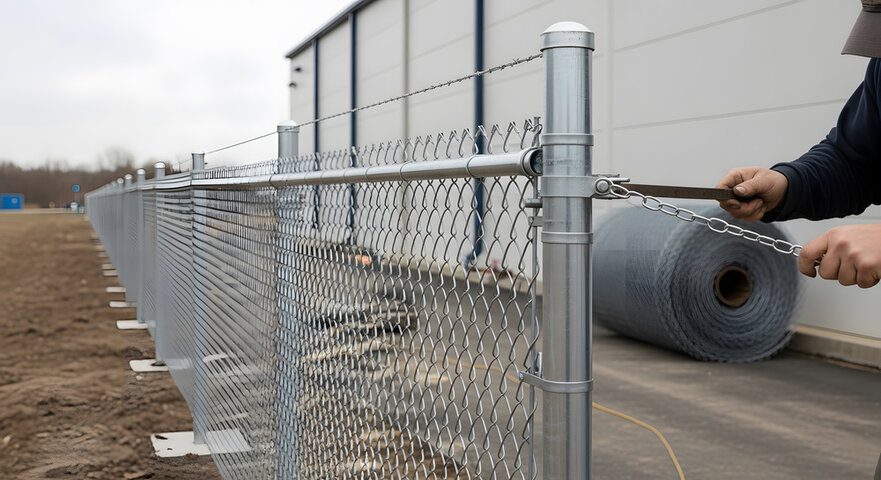
- Chain link: Frequently restricted in deed-restricted neighborhoods (even when it’s allowed by the city).
3) Fence color, stain, and “new fence” appearance rules
Some HOAs require a certain stain color (like cedar-tone), while others specify “natural” wood without paint. A few communities require that all fences along a shared run match each other—which matters when you’re replacing only one side.
- Ask whether your HOA requires stain before installation or after the wood weathers.
- If your neighbor’s fence is part of the same run, confirm who owns which section.
- Plan for gates to match both stain and trim details.
4) Gate placement, driveway gates, and access control
HOAs often care about where gates go (side-yard gate visibility, alley access, or pool access). If you’re adding gates, we can help you choose the right approach via our Gate Installation service.
- Side-yard gates may need to be set behind the front building line.
- Driveway gates may have setback and safety requirements depending on the community.
- Pool gates must usually be self-closing and self-latching to meet safety expectations.
5) Fence placement: property lines, easements, and drainage
Even if the HOA approves your design, the fence still needs to be installed correctly on the lot. In Houston, we routinely see issues with utility easements, drainage easements, and “almost-on-the-line” installs that become a problem later during a survey or sale.
- Consider a survey if you’re unsure where the property line actually is.
- Don’t block drainage paths—it can create neighborhood flooding issues during heavy storms.
- Keep fences off shared utility structures (valves, boxes, meters) when possible.
HOA fence approval process (what to submit and how to avoid delays)
Most communities use an Architectural Review Committee (ARC) or similar process. While the forms vary, we’ve found the approval process typically goes faster when you submit the same basics every time:
- Site plan showing fence location, gates, and any corner-lot visibility areas
- Fence description (height, picket style, cap/trim, posts, and hardware)
- Material and color selection (wood species, stain color, vinyl color, iron finish)
- Photos or spec sheet (especially for iron or vinyl/composite)
- Neighbor notes if the HOA expects coordination on shared fence runs
- Submit first, then schedule installation once you have written approval.
- Keep the approval email/letter for your records—it helps with resale and future repairs.
- If you need help, our team can explain options and timelines through Our Process.
City of Houston fence permits: what changes (even in an HOA)
Homeowners are often surprised that HOA approval doesn’t replace city requirements. For example, the Houston Permitting Center (Residential Fencing) notes that fences over 8 feet require a permit and that masonry or concrete fences require a permit regardless of height.
In other words: you can have a perfectly HOA-compliant fence design and still need to address permitting if you’re building something tall, heavy, or structural.
- Most standard 6′–8′ wood privacy fences are straightforward from a city standpoint.
- Masonry, concrete, or retaining-wall-style fences usually trigger permitting.
- Corner lots and street-facing fences can have extra visibility and planning considerations.
Neighborhood specifics: Katy, Cypress, and The Woodlands (what homeowners should expect)
We install fences throughout the greater Houston area, and while each HOA is unique, these patterns show up often:
- Katy-area master-planned communities frequently standardize fence style (cap-and-trim) and may require uniform stain colors.
- Cypress neighborhoods often focus on matching runs and “good neighbor” fence orientation for lots that back to greenbelts.
- The Woodlands can have stricter aesthetic expectations, especially for street-facing sides and open-space lots.
- If your subdivision has multiple builders, HOA standards can still be very specific.
- When replacing a fence, matching what’s already approved can be the simplest path.
- When upgrading materials, get the spec sheet ready before you apply.
Choosing an HOA-friendly fence design (wood, vinyl, or iron)
If your HOA allows multiple materials, we usually help homeowners choose based on maintenance, privacy, and long-term appearance:
- Wood privacy (cedar or pressure-treated pine) is the most common and easiest to match in established neighborhoods. Learn more about our Wood Fence Installation Near Me options.
- Cedar is a premium look and a great fit for many deed-restricted communities; see Cedar Fence Installation Near Me for details.
- Vinyl/composite reduces maintenance and can look very clean if your HOA approves the color and profile.
- Iron is ideal when you want openness (front yards, pools, views) but still want security and curb appeal.
- Start with your HOA’s approved styles list, then pick the material that fits your maintenance tolerance.
- For shared fence lines, “matching” can matter more than “best”.
- If you’re planning a larger project, ask about Financing.
FAQ: HOA fence rules in Houston, TX
Do I need HOA approval to replace an existing fence?
Many HOAs still want notice or a basic submittal, even for like-for-like replacements. If you’re changing height, materials, stain, or gate layout, expect a full ARC review. When we quote a project, we can also help you describe the scope clearly so your request is easy to approve.
Can an HOA tell me what kind of fence I can build?
Yes. Most HOAs regulate fence materials, style, and appearance to keep the neighborhood consistent. That’s why we recommend pulling your community guidelines first, then choosing an HOA-friendly option (wood, vinyl/composite, or iron) that meets the rules.
Do I need a permit to build a fence in Houston, TX?
Sometimes. The City of Houston guidance says fences that exceed 8 feet require a permit, and masonry or concrete fences require a permit regardless of height. Review the Houston Permitting Center residential fencing page to confirm how the rule applies to your property.
What’s the fastest way to get HOA fence approval?
Submit a complete packet: a simple site plan, fence specs (height/material/style), and a clear description of where gates go. In our experience, incomplete submissions create the longest delays. If you’d like help packaging it, start with our Our Process and we’ll walk you through the steps.
Get a fence quote that fits your HOA rules
Whether you’re replacing a worn fence or upgrading curb appeal, we’ll recommend a design that fits your neighborhood and install it correctly on your property. Call Griffin Fence today at (713) 937-6611 or contact us online for a free estimate.
Helpful references: Houston Permitting Center (Residential Fencing); Texas Legislature: Property Code Chapter 202.