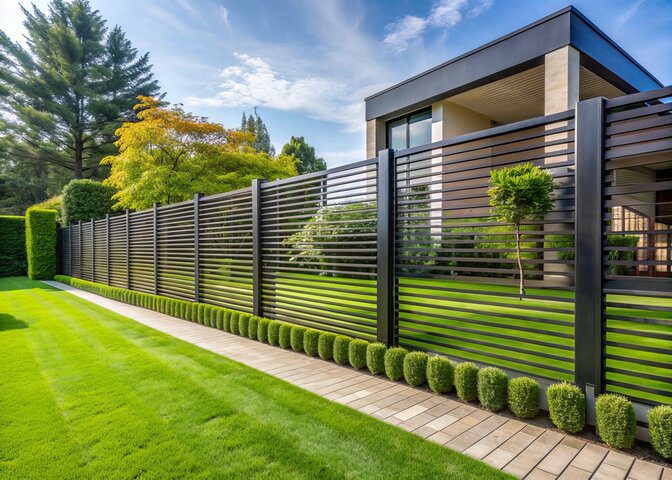
A fence is more than a boundary around your property. It adds privacy, security, curb appeal, and value to a home. However, in a city like Houston, fence performance is heavily influenced by the local climate. High humidity, intense summer heat, heavy rainfall, occasional storms, and fluctuating temperatures create conditions that can shorten the lifespan of many fencing materials if they are not properly selected or maintained.
Homeowners often choose between wood, iron, and aluminum fencing because each offers a different balance of appearance, durability, maintenance, and cost. Yet the same weather conditions affect these materials in very different ways.
Understanding how Houston’s climate impacts fences over time can help homeowners make smarter decisions and avoid costly repairs or early replacements.
Understanding Houston’s Climate Challenges for Fences
Houston’s environment presents several weather-related challenges that fencing materials must withstand:
High Humidity
Houston experiences elevated humidity levels for much of the year. Excess moisture can penetrate fencing materials and lead to problems such as:
- Rot and swelling in wood
- Rust formation on iron
- Mold and mildew growth
- Expansion and contraction of materials
Humidity is often the hidden factor behind gradual fence deterioration.
Heavy Rainfall
Frequent rainstorms expose fences to continuous moisture. Water accumulation near posts and panels can weaken structural integrity over time.
Common problems include:
- Soil erosion around fence posts
- Water damage
- Rust acceleration
- Post instability
Intense Sun Exposure
Texas summers bring long periods of strong sunlight and high temperatures.
UV rays may cause:
- Fading finishes
- Drying and cracking
- Paint deterioration
- Surface weakening
Even durable materials can suffer from prolonged sun exposure.
Severe Weather Events
Houston occasionally experiences:
- Tropical storms
- High winds
- Hurricanes
- Hail events
Strong weather puts stress on fencing systems, especially older installations.
Because of these conditions, material selection matters significantly.
How Houston Weather Affects Wood Fences
Wood fencing remains one of the most popular choices because of its natural beauty and privacy benefits. Cedar, pine, and redwood are commonly used materials.
However, Houston weather can be demanding on wood.
Moisture and Rot Issues
Wood naturally absorbs moisture. During humid seasons and rainy periods, this absorption increases.
Over time, excess moisture may lead to:
- Rotting boards
- Soft spots
- Warping
- Splitting
- Fungal growth
Fence posts are especially vulnerable because they stay close to wet soil.
Without treatment, lower sections often deteriorate first.
Areas Most at Risk
Parts of the fence commonly affected include:
- Bottom rails
- Ground-contact posts
- Gate frames
- Shaded sections
Areas that receive little sunlight tend to dry more slowly, allowing moisture to remain trapped.
Heat and UV Damage
Houston summers regularly expose wood fences to intense sunlight.
Continuous UV exposure causes:
- Color fading
- Surface cracking
- Dryness
- Shrinkage
New fences often begin with rich natural color, but prolonged sun exposure may turn them gray or weathered.
This process is mostly cosmetic at first, but eventually weakens protective coatings.
Expansion and Contraction
Wood responds to environmental changes.
During humid periods:
- Boards expand
- Gaps close
- Moisture content rises
During dry heat:
- Wood contracts
- Cracks appear
- Screws loosen
Repeated movement over many years contributes to structural wear.
Storm Damage Risk
Strong winds from Gulf storms may:
- Push panels out of alignment
- Loosen fasteners
- Break weakened boards
- Lean posts
Older wood fences with moisture damage become more vulnerable during storm season.
Maintenance Tips for Wood Fences in Houston
To extend fence life:
Seal the Wood Regularly
Apply water-resistant sealant every 2–3 years.
Sealing helps:
- Reduce moisture absorption
- Prevent rot
- Limit UV damage
Trim Nearby Vegetation
Plants hold moisture against fence surfaces.
Keep:
- Shrubs trimmed
- Grass away from posts
- Vines removed
Inspect After Storms
Check for:
- Loose boards
- Post movement
- Water pooling
- Splits
Early repairs prevent larger structural issues.
Re-stain When Needed
Stains improve both appearance and weather protection.
Many homeowners restain every few years depending on exposure levels.
How Houston Weather Affects Iron Fences
Iron fencing offers strength, elegance, and long-term durability. Decorative wrought iron styles remain popular for upscale residential properties.
Yet moisture is iron’s biggest enemy.
Humidity Accelerates Rust Formation
Houston’s humid climate creates ideal conditions for oxidation.
Rust develops when:
Iron + oxygen + moisture combine.
Small chips in paint or coating expose raw metal beneath.
Once rust begins, it may spread quickly.
Common rust-prone areas include:
- Weld joints
- Decorative details
- Fastener points
- Ground-contact sections
Early rust often appears as:
- Orange spots
- Flaking paint
- Surface roughness
Ignoring these signs may lead to structural weakening.
Rain Exposure and Water Retention
Heavy rainfall creates additional problems.
Water can collect:
- Inside hollow sections
- Around bases
- In decorative grooves
Standing moisture increases corrosion risk.
Poor drainage around fence posts may accelerate deterioration.
Heat Effects on Iron
Iron handles sunlight better than wood, but Houston heat still impacts performance.
Potential issues include:
- Faded coatings
- Expansion of metal components
- Paint blistering
- Surface oxidation
Dark-colored fences absorb more heat and may become extremely hot during summer.
Storm and Wind Performance
Iron fences generally perform well in severe weather.
Advantages include:
- Strong resistance to bending
- Better wind flow through open designs
- Reduced wind pressure compared to solid fences
However, rust-weakened sections may fail under stress.
Gates often experience the greatest wear because of movement and exposure.
Maintenance Tips for Iron Fences
Remove Rust Immediately
Small rust spots should never be ignored.
Steps include:
- Sand affected area
- Remove debris
- Apply rust inhibitor
- Repaint surface
Early treatment prevents larger repairs.
Repaint Protective Coatings
Paint acts as a barrier between moisture and metal.
Inspect annually for:
- Chips
- Scratches
- Peeling areas
Touch up damage quickly.
Improve Drainage
Standing water near posts increases corrosion.
Solutions include:
- Gravel bases
- Proper grading
- Drain channels
Wash Periodically
Dust, salt, and debris trap moisture.
Cleaning the fence reduces corrosion risk.
How Houston Weather Affects Aluminum Fences
Aluminum fencing has become increasingly popular because it combines durability with relatively low maintenance.
It resembles wrought iron visually while offering better resistance to weather.
Houston’s climate is generally less damaging to aluminum compared to wood or iron.
Aluminum Does Not Rust
One of aluminum’s biggest advantages is corrosion resistance.
Unlike iron:
- Aluminum does not oxidize into structural rust
- Moisture causes far less damage
- Humidity has minimal impact
This makes aluminum highly suitable for coastal and humid environments.
Homeowners near moisture-heavy areas often prefer it for this reason.
Rain Resistance
Heavy rainfall rarely affects aluminum structurally.
Benefits include:
- No rot
- No swelling
- Minimal moisture absorption
However, poor installation can still create problems.
Loose posts or shifting foundations may occur if water erodes surrounding soil.
The material itself usually remains intact.
UV Resistance
Houston sunlight affects finishes more than the metal.
Powder-coated aluminum fences resist:
- Fading
- Chipping
- Peeling
High-quality finishes may maintain appearance for many years.
Lower-grade coatings may eventually lose color under continuous sun exposure.
Wind and Storm Performance
Aluminum performs well in windy conditions because most designs are open.
Wind passes through rather than pushing directly against panels.
Advantages include:
- Lower pressure during storms
- Reduced risk of panel collapse
- Better overall flexibility
Although aluminum is lighter than iron, quality systems remain surprisingly durable.
Potential Weaknesses
While aluminum resists weather well, it is not indestructible.
Possible concerns include:
- Denting from impact
- Bending under heavy force
- Scratches in finish
Still, these problems are generally less severe than moisture-related damage seen in wood and iron.
Maintenance Tips for Aluminum Fences
Wash Occasionally
Use mild soap and water to remove:
- Dirt
- Pollen
- Mud
- Environmental buildup
Cleaning preserves appearance.
Inspect Coatings
Check for:
- Scratches
- Surface damage
- Chips
Touch-up work prevents cosmetic deterioration.
Monitor Post Stability
Storm runoff may loosen soil around posts.
Inspect foundations after major weather events.
Comparing Long-Term Weather Performance
Below is a practical comparison of how each material handles Houston conditions.
| Feature | Wood | Iron | Aluminum |
|---|---|---|---|
| Humidity Resistance | Moderate | Low | High |
| Rust Risk | None | High | Very Low |
| Rot Risk | High | None | None |
| UV Resistance | Moderate | Good | Excellent |
| Maintenance Needs | High | Moderate to High | Low |
| Storm Durability | Moderate | High | High |
| Lifespan Potential | 15–20 years | 20–30+ years | 25–30+ years |
Each material works well when matched to homeowner priorities.
Wood offers warmth and privacy.
Iron provides elegance and strength.
Aluminum delivers weather resistance with minimal upkeep.
Choosing the Right Fence Material for Houston Homes
Selecting a fence should involve more than appearance.
Ask these questions:
Do You Want Minimal Maintenance?
Aluminum is often the best option.
Its resistance to:
- Humidity
- Rain
- Rust
makes it highly practical.
Is Privacy the Main Goal?
Wood fences typically provide greater privacy because panels are solid.
However, maintenance requirements are higher.
Looking for Premium Appearance?
Iron fencing delivers classic architectural appeal.
Homeowners should simply prepare for ongoing rust prevention.
Is Longevity the Priority?
Aluminum frequently offers the best balance between lifespan and upkeep.
Its weather performance suits Houston conditions particularly well.
Seasonal Fence Care Checklist for Houston Homeowners
Spring
- Clean fence surfaces
- Inspect storm damage
- Remove mold or mildew
- Repaint exposed metal
Summer
- Check for UV fading
- Re-stain wood
- Tighten loose hardware
- Watch for cracks
Fall
- Remove vegetation buildup
- Improve drainage
- Inspect posts
Winter
- Repair damaged sections
- Schedule maintenance
- Prepare before spring storms
Routine attention often adds years to fence life.
Final Thoughts
Houston weather places unique demands on residential fencing. Humidity, rainfall, intense sunlight, and seasonal storms all influence how fencing materials age over time.
Wood fences deliver natural beauty but require regular sealing and protection against moisture.
Iron fences provide strength and elegant design yet need ongoing rust prevention in Houston’s humid environment.
Aluminum fences offer excellent resistance to moisture, UV exposure, and corrosion while requiring less maintenance.
No material is completely maintenance-free, but understanding how local weather affects each option helps homeowners choose wisely.
The best fence is not simply the one that looks attractive on installation day—it is the one that continues performing year after year despite Houston’s challenging climate.