How Long Does a Cedar Fence Last in Houston?
When you invest in a cedar fence, you want to know exactly how long it will protect your Houston property. The short answer: a well-built cedar fence in Houston lasts 15 to 25 years, depending on the installation quality, maintenance, and specific conditions on your property.
That’s significantly longer than pressure-treated pine (10–15 years) but shorter than iron fencing (30–50 years) or chain link (20–30 years). Here’s what determines where your cedar fence falls on that range.
Factors That Affect Cedar Fence Lifespan in Houston
Houston’s Climate Is Tough on Wood
Houston’s subtropical climate creates a perfect storm for fence deterioration:
- Humidity: Average 75% relative humidity keeps wood moist year-round, accelerating decay
- Heavy rainfall: 50+ inches annually means fences spend more time wet than dry
- Extreme heat: Summer temperatures above 95°F cause wood to expand, contract, and crack
- Termites: Formosan and Eastern subterranean termites are aggressive in the Houston area
- Hurricane winds: Tropical storms and hurricanes can stress or destroy fence structures
Cedar handles these challenges better than any other common fence wood because of its natural oils — thujaplicins — that resist rot, insects, and fungal decay without chemical treatment.
Post Type Makes the Biggest Difference
In Houston, the posts fail before the pickets almost every time. This is the #1 factor determining your fence’s lifespan:
- 4×4 cedar posts in concrete: 12–18 years before rot compromises the post at the ground line
- 4×4 cedar posts with gravel base: 10–15 years (water pools at the base without proper drainage)
- Galvanized steel posts: 30+ years — the posts essentially never fail, and pickets can be replaced individually
This is why we strongly recommend steel posts for cedar fences. The upfront cost is 20–30% more, but you avoid a complete fence replacement at the 12–15 year mark.
Cedar Grade Matters
Not all cedar is created equal:
- Western red cedar: Highest natural oil content, best rot resistance — lasts 20–25 years for pickets
- White cedar (Eastern): Lower oil content — lasts 12–18 years
- Incense cedar: Moderate durability — 15–20 years
At Griffin Fence, we use Western red cedar exclusively because it performs best in Houston’s climate.
How to Maximize Your Cedar Fence Lifespan
Stain and Seal (But Not Right Away)
New cedar needs to dry out for 3 to 6 months before applying stain or sealant. In Houston’s humidity, this curing period is especially important — staining too early traps moisture inside the wood and causes premature rot.
After the initial cure:
- Apply a semi-transparent oil-based stain with UV protection
- Reapply every 2 to 3 years in Houston’s climate
- Water-based stains need reapplication every 1–2 years in our humidity
Keep the Base Clear
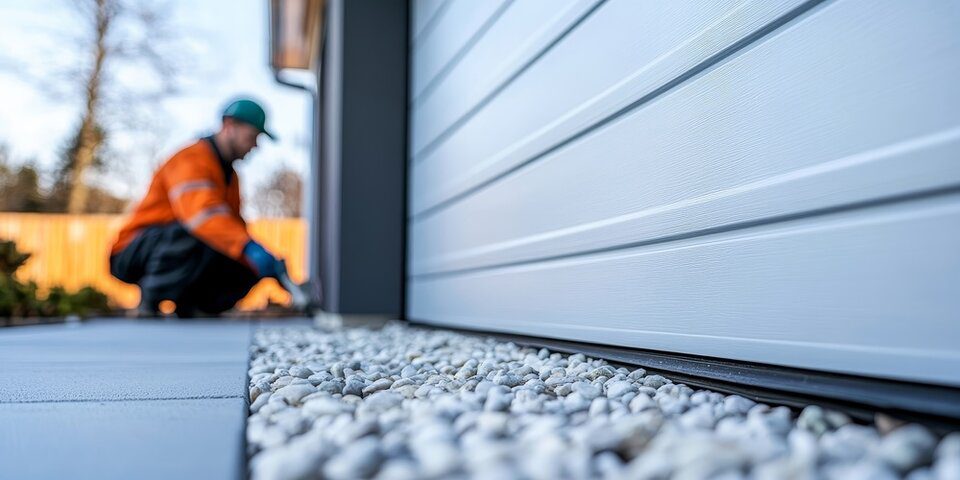
- Maintain a 2-inch gap between the bottom of the fence and the ground
- Keep soil, mulch, and debris away from the fence base — contact with damp material accelerates rot
- Trim vegetation so air can circulate along the fence line
- Ensure sprinklers don’t spray directly on the fence
Annual Inspections
Walk your fence line once a year (ideally in spring) and look for:
- Loose or leaning posts — this is the earliest sign of post rot
- Warped or cracked pickets that need replacement
- Mold or mildew growth (clean with a diluted bleach solution)
- Termite tubes on or near the fence line
When to Repair vs Replace Your Cedar Fence
| Condition | Repair | Replace |
|---|---|---|
| 1–3 damaged pickets | ✅ | |
| Leaning section (1 post) | ✅ | |
| Surface mold/mildew | ✅ (clean + stain) | |
| Multiple leaning posts | ✅ | |
| Post rot at ground level | ✅ (at least that section) | |
| 30%+ pickets damaged | ✅ | |
| Structural rail failure | ✅ |
If your fence needs section replacement, consider upgrading to steel posts for the new sections so you don’t face the same problem again in 12–15 years.
Frequently Asked Questions
Does an unstained cedar fence last as long as a stained one?
No. An unstained cedar fence in Houston will last 12–18 years versus 18–25 years for one that’s properly stained every 2–3 years. The stain blocks UV damage and reduces moisture absorption. The cedar will turn a silver-gray color naturally, which some homeowners prefer aesthetically, but the wood deteriorates faster without protection.
Can I extend my cedar fence’s life by replacing just the posts?
Yes, but it’s labor-intensive. If your pickets are still in good shape but the posts are rotting, a contractor can replace individual posts. Each post replacement runs $150–$300. If more than 3–4 posts are failing, a full fence replacement is usually more cost-effective.
How does cedar compare to composite fencing for longevity?
Composite fencing claims 20–30 year lifespans and requires zero maintenance. However, composite can become brittle in Houston’s extreme heat, may warp or sag, and has a distinctly artificial look. Cedar with steel posts matches or exceeds composite longevity at a similar price point while looking far more natural.
Get a Free Estimate
Whether you need a new cedar fence or want to assess the remaining life of your existing one, call Griffin Fence at (713) 937-6611 or contact us online. We’ve been building cedar fences in Houston for over 25 years and can recommend the right approach for your property.