One of the most common questions we hear from homeowners and property managers is: how long does a fence last in Houston, TX? The honest answer is “it depends,” but Houston has a few unique factors that make lifespan planning especially important—heat, sun, humidity, and frequent rain events.
At Griffin Fence, we install and service fences across the Houston area, and we’ve seen what holds up well in neighborhoods near the Energy Corridor, out toward Cypress and Katy, and in older parts of town where drainage and soil movement can be tougher on posts and footings. In this guide, we’ll break down realistic lifespans by material, what shortens a fence’s life here, and what you can do to get the most years out of your investment.
Quick answer: typical fence lifespans (Houston, TX)
For most properties, these are reasonable planning ranges for a properly installed fence:
- Pressure-treated pine privacy fence: about 15–20 years with good upkeep
- Cedar privacy fence: about 20–30 years with consistent maintenance
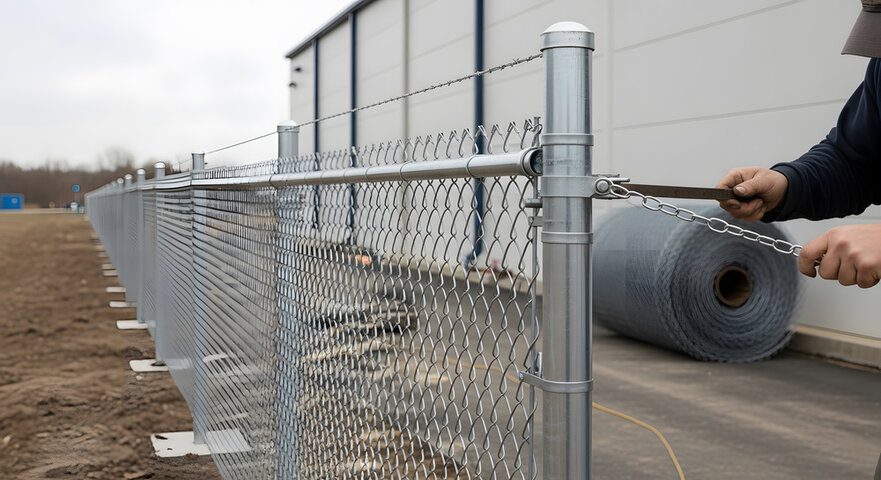
- Galvanized chain link fence: about 15–25 years (often longer with vinyl coating)
- Vinyl fence: about 20–30+ years depending on quality and sun exposure
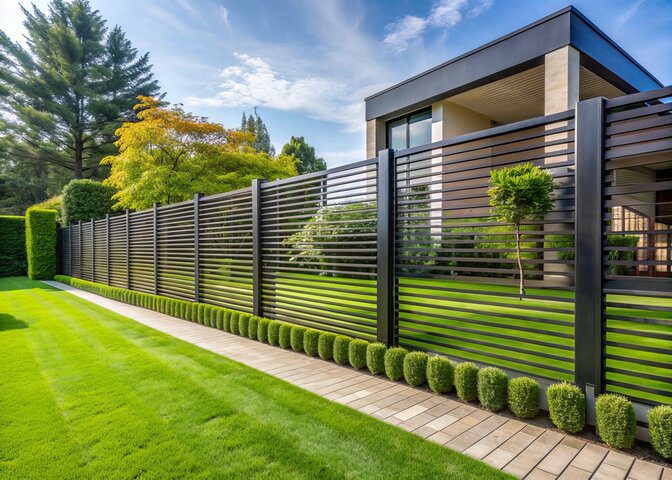
- Ornamental iron / steel fencing: often 25+ years, and much longer with rust prevention
- Masonry/brick/stone columns & walls: commonly 50+ years (maintenance depends on footing, drainage, and mortar)
- Most fences “fail” from posts and fasteners first, not the pickets/panels.
- Houston weather makes moisture management and corrosion protection non-negotiable.
- Material choice matters, but installation quality and drainage matter just as much.
Why Houston fences wear out faster (and what that means for planning)
Houston’s climate is hard on outdoor structures. The official climate normals at Houston Intercontinental show about 51.84 inches of rain per year, plus warm average temperatures (mean around 70.5°F), which is a recipe for regular wet/dry cycling and sustained humidity.
What we see on real projects is that the “Houston problems” usually show up in the details:
- Water around posts: standing water or soil that stays saturated accelerates rot and loosens footings.
- Sun exposure: UV breaks down stains and dries boards, causing checking and splitting.
- Corrosion: humidity and rain increase rust risk on metal hardware, fasteners, and steel components.
- Soil movement: expansive clay in many areas of Houston can shift with moisture changes, stressing posts and gates.
- If you want a fence to last, plan for drainage first and cosmetics second.
- Hardware and post choices are the hidden difference between a 10-year fence and a 20-year fence.
- In Houston, skipping maintenance doesn’t just “age” a fence—it shortens its structural life.
Wood privacy fence lifespan in Houston, TX (pine vs. cedar vs. premium woods)
Wood is still the most popular option for privacy in Houston because it looks great, works with most HOAs, and can be repaired board-by-board. But wood is also the most sensitive to moisture and sun.
Pressure-treated pine: typically 15–20 years with upkeep
Pressure-treated pine is a common value choice. In Houston, it can do very well when it’s installed correctly and protected with stain/sealer on a schedule. Where we see pine fences fail early is when the posts stay wet or when the fence is sealed once and forgotten for years.
- Plan for: routine cleaning + re-staining every few years.
- Watch for: warping, fastener corrosion, and post rot at ground level.
Cedar: typically 20–30 years with consistent maintenance
Cedar has natural resistance that helps in humid climates. That said, cedar still needs protection from UV and moisture. A cedar fence that is regularly stained/sealed and kept clear of irrigation spray can outperform most wood options in Houston.
- Plan for: staining/sealing before the fence looks “dry.”
- Watch for: sprinklers hitting boards daily (a major hidden lifespan-killer).
Premium woods and upgrades that extend life
Upgrades can help wood last longer in Houston:
- Post choice: using appropriate, properly set posts and quality concrete work
- Cap & trim: a top cap can shed water and reduce end-grain exposure
- Stainless or hot-dipped galvanized fasteners: reduces staining and corrosion
- Wood lifespan is mostly controlled by moisture at the base and UV on the face.
- Small upgrades (caps, better fasteners) often add years for a modest cost.
If you’re comparing wood options, these pages help explain what we install most often: wood fence installation and cedar fence installation.
Chain link fence lifespan in Houston, TX (galvanized vs. vinyl-coated)
Chain link is a workhorse option for side yards, back lots, commercial properties, and anywhere you need durability with straightforward maintenance. The most important decision is the coating and the quality of the framework.
Galvanized chain link: typically 15–25 years
Galvanized chain link can last a long time, but Houston humidity can accelerate surface oxidation if lower-quality materials are used or if cuts/scratches aren’t protected.
Vinyl-coated chain link: often longer with better corrosion protection
Vinyl-coated systems add a protective layer that helps in wet climates. For many Houston properties, it’s a smart upgrade when you want to minimize long-term rust risk.
- Plan for: occasional cleaning and checking fittings for rust.
- Watch for: bottom tension wire contact with wet soil, and rust at cut ends.
- Chain link usually lasts until the framework or fittings rust out—not until the mesh “wears out.”
- Better coating and better installation details are what extend lifespan in Houston.
For more on options, see our chain link fencing in Houston, TX and chain link fence installation pages.
Vinyl fence lifespan in Houston, TX (heat and UV considerations)
Vinyl fencing is popular with homeowners who want a clean look and less routine upkeep than wood. The trade-off is that vinyl quality varies significantly by manufacturer, and Houston sun exposure is a big factor.
In general, quality vinyl is often planned at 20–30 years or more, but the real-world outcome depends on UV stabilizers, wall thickness, and installation. We also recommend homeowners think about where the fence faces: a south- or west-facing run gets more intense sun and may age faster.
- Plan for: periodic wash-down to remove mildew and grime.
- Watch for: brittle panels on low-quality systems and movement at posts if soil shifts.
- Vinyl is excellent for moisture resistance—rot isn’t the issue.
- UV and product quality are the main drivers of lifespan in Houston.
Iron and metal fence lifespan in Houston, TX (rust prevention is everything)
Ornamental iron and steel fencing can last decades in Houston, but the key is preventing rust before it spreads. We typically recommend periodic inspection, touch-up painting where coatings are damaged, and keeping vegetation off the fence so it can dry out after rain.
If you’re considering a gate or decorative metal, our iron gates in Houston, TX page is a good starting point for design and security considerations.
- Metal fencing can outlast wood when coatings are maintained.
- Rust spots are small problems until they’re ignored for a few seasons.
Masonry fence and column lifespan in Houston, TX (footing and drainage matter)
Masonry—brick, stone, and block—can be a long-term solution, especially for entry features and perimeter walls. In Houston, the biggest threats aren’t “wear,” they’re foundation movement and moisture. If the base is designed correctly and water is managed, masonry can last for generations.
Learn more about what we build on our masonry fencing in Houston, TX page.
- Masonry lifespan is mostly about structural design and soil/drainage conditions.
- Small cracks should be addressed early so they don’t turn into larger repairs.
Top factors that control fence lifespan (and how we recommend you handle them)
No matter the material, these are the factors that control how long your fence lasts in Houston, TX:
1) Installation quality (posts, concrete, and alignment)
A fence is only as strong as its posts and footings. Proper spacing, depth, and alignment reduce sagging, racking, and gate issues over time. If you want to understand how we approach installs, see our process.
- Most premature failures trace back to weak posts or rushed concrete work.
2) Drainage and grading around the fence line
If water regularly stands along the fence, wood posts rot faster and soil movement increases. We often recommend small grading adjustments or drain solutions before (or during) a new install so the fence can actually reach its expected lifespan.
- Dry posts last longer. The goal is for the ground to shed water, not hold it.
3) Maintenance habits (small tasks, big payoff)
Maintenance doesn’t have to be complicated. A quick yearly walk-around to check loose pickets, rust spots, and gate hardware can add years to the fence.
- Fixing one loose hinge today can prevent a sagging gate next season.
- Touch-up paint on metal is cheaper than replacing rusted sections.
4) Materials and hardware choices
In Houston, hardware matters. Using appropriate galvanized or stainless fasteners helps prevent streaking, staining, and early corrosion. For chain link, the framework and fittings can be the difference between an average system and a long-lasting one.
- Spend wisely on “invisible” components—posts, fasteners, fittings.
When to repair vs. replace a fence in Houston, TX
Not every aging fence needs to be replaced. In many cases, we can repair sections, replace posts, or rebuild a gate and get you several more years. We typically recommend replacement when:
- Multiple posts are loose or rotted at the base
- The fence line is leaning badly and cannot be re-straightened effectively
- Large areas of wood have rot, splitting, or repeated fastener failure
- Chain link framework is rusted through at multiple points
- Repairs make sense when the structure is still solid and the issues are localized.
- Replacement makes sense when the posts and framework are failing across the run.
If you’re unsure, start with a quick evaluation and estimate: fence estimator. You can also review our warranty and financing options if you’re planning a full replacement.
FAQ: Fence lifespan in Houston, TX
How long does a wood privacy fence last in Houston, TX?
With proper installation and routine staining/sealing, many wood privacy fences in Houston, TX can reach the 15–20 year range for pressure-treated pine and 20–30 years for cedar. Posts, drainage, and sprinkler exposure are usually the deciding factors.
Does Houston humidity shorten fence life?
Yes. Humidity and frequent rain increase rot risk for wood and rust risk for metal. The best defenses are good drainage, breathable finishes on wood, and corrosion-resistant coatings on metal.
Is vinyl fencing a good option for Houston weather?
Vinyl handles moisture extremely well, so it’s a strong option for Houston. The key is choosing a quality product with good UV stability and making sure posts and footings are installed correctly so the fence stays straight as soils shift.
What’s the longest-lasting fence type in Houston, TX?
Masonry systems often have the longest service life when footings and drainage are designed well. Among typical residential fence types, well-maintained metal systems and high-quality vinyl can also last for decades.
Get a fence built to last in Houston, TX
Whether you’re looking for privacy, security, or a durable perimeter fence, we’ll help you choose materials that make sense for your property and Houston’s weather. Call Griffin Fence today at (713) 937-6611 or contact us online for a free estimate.
Helpful references: For Houston climate normals (rainfall and temperatures), see the National Weather Service’s Houston IAH normals summary. For general material lifespan ranges, see fencing durability overviews from industry providers. (We don’t rely on a single chart—real-world installation and maintenance matter.)
External reading: Houston IAH normals summary (NWS) and EPA UV Index basics.