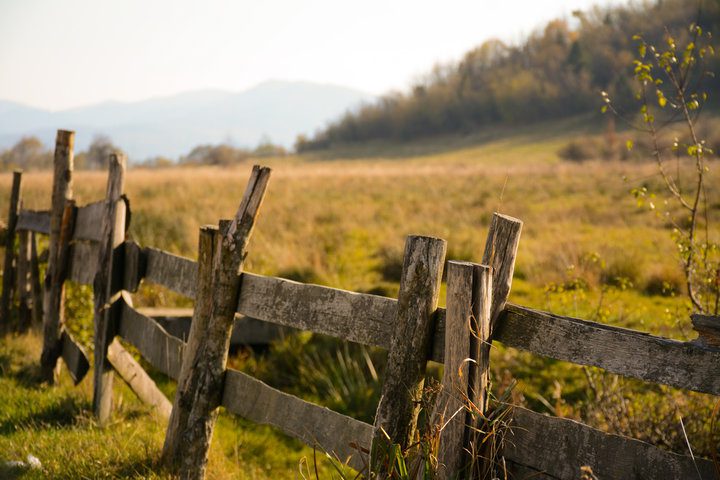
Installing a fence is one of the most effective ways to enhance privacy, improve security, increase property value, and boost curb appeal. However, choosing the right fence material can be challenging. With several popular options available, including wood, aluminum, vinyl, and chain link, property owners often wonder which material will best meet their needs.
The ideal fence depends on various factors such as budget, maintenance preferences, security requirements, aesthetics, and long-term durability. Understanding the strengths and limitations of each material can help you make an informed decision that provides value for years to come.
In this guide, we’ll compare the most common fence materials and discuss the factors homeowners and business owners should consider before making their investment.
Why Choosing the Right Fence Material Matters
A fence is more than just a boundary marker. It serves multiple purposes, including:
- Providing privacy
- Enhancing security
- Defining property lines
- Improving appearance
- Protecting pets and children
- Increasing property value
Because a fence is a long-term investment, selecting the right material helps ensure you get the performance, appearance, and durability you expect.
Choosing incorrectly can result in higher maintenance costs, premature replacement, or dissatisfaction with the final appearance.
Factors to Consider Before Selecting a Fence Material
Before comparing materials, it’s important to evaluate your property’s specific needs.
Purpose of the Fence
Ask yourself why you’re installing a fence.
Common goals include:
- Privacy
- Security
- Decorative enhancement
- Pet containment
- Pool safety
- Property boundary definition
Different materials excel in different applications.
Budget
Fence costs vary significantly depending on:
- Material type
- Fence height
- Property size
- Installation complexity
Understanding your budget helps narrow your options.
Maintenance Requirements
Some materials require ongoing maintenance while others need very little upkeep.
Consider how much time and effort you’re willing to invest in maintaining your fence.
Climate Conditions
Weather can affect fence performance.
Factors such as:
- Rain
- Humidity
- Sun exposure
- Wind
- Temperature fluctuations
should influence your material selection.
Property Style
Your fence should complement the architecture and landscaping of your property.
A fence that matches your home’s aesthetic can significantly improve curb appeal.
Wood Fencing
Wood remains one of the most popular fencing materials due to its classic appearance and versatility.
Advantages of Wood Fences
Natural Beauty
Wood offers a warm, traditional appearance that blends well with many architectural styles.
It can be customized through:
- Paint
- Stain
- Decorative designs
- Various heights
Excellent Privacy
Wood privacy fences can completely block visibility from neighboring properties and roadways.
Customization Options
Wood is available in multiple styles, including:
- Privacy fences
- Picket fences
- Shadowbox fences
- Split rail fences
Disadvantages of Wood Fences
Higher Maintenance
Wood requires regular:
- Staining
- Painting
- Sealing
- Repairs
to maintain its appearance and durability.
Vulnerability to Moisture
Without proper maintenance, wood may experience:
- Rot
- Warping
- Cracking
- Insect damage
Best For
Wood fencing is ideal for homeowners seeking privacy, traditional aesthetics, and customization flexibility.
Aluminum Fencing
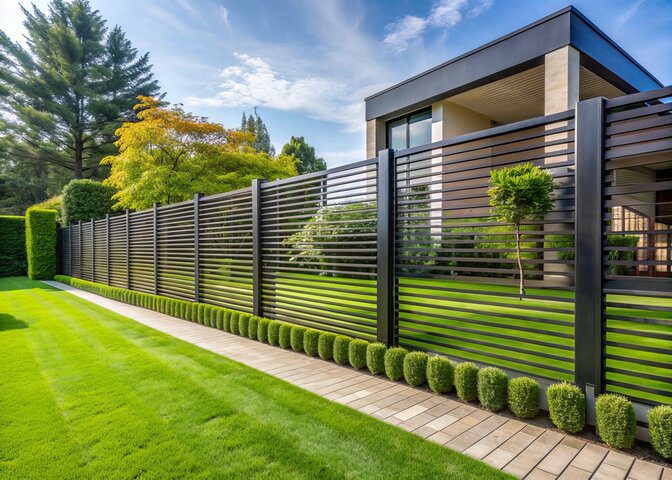
Aluminum fences have become increasingly popular due to their durability and elegant appearance.
Advantages of Aluminum Fences
Low Maintenance
Unlike wood, aluminum does not require painting or staining.
Routine cleaning is generally sufficient.
Rust Resistance
Modern aluminum fencing is designed to resist corrosion and weather damage.
Attractive Appearance
Aluminum fencing often resembles wrought iron but at a lower cost and with less maintenance.
Long Lifespan
Aluminum fences can last for decades when properly installed.
Disadvantages of Aluminum Fences
Limited Privacy
Most aluminum fence designs feature open pickets that allow visibility through the fence.
Less Impact Resistance
While durable, aluminum may bend if subjected to significant force.
Best For
Aluminum fencing works well for:
- Decorative boundaries
- Pool enclosures
- Front yards
- Security applications where visibility is desired
Vinyl Fencing
Vinyl fencing has gained popularity because of its durability and minimal maintenance requirements.
Advantages of Vinyl Fences
Extremely Low Maintenance
Vinyl does not require:
- Painting
- Staining
- Sealing
Periodic cleaning typically keeps it looking new.
Weather Resistance
Vinyl withstands:
- Rain
- Humidity
- Sun exposure
- Insects
better than many traditional materials.
Long-Term Durability
High-quality vinyl fences can last for many years without significant deterioration.
Privacy Options
Solid vinyl panels provide excellent privacy.
Disadvantages of Vinyl Fences
Higher Initial Cost
Vinyl fencing generally costs more upfront than wood.
Limited Customization
Although available in multiple styles, vinyl offers fewer customization options than wood.
Best For
Vinyl fencing is ideal for homeowners seeking privacy, durability, and minimal maintenance.
Chain Link Fencing
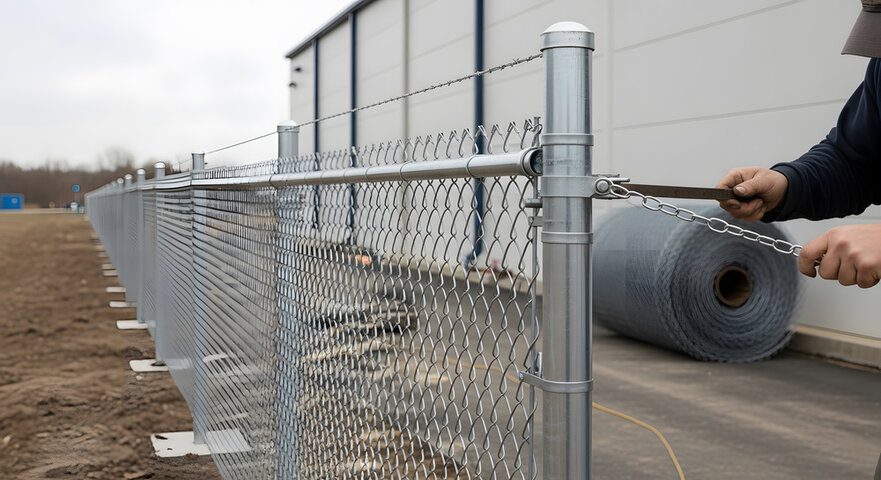
Chain link remains one of the most practical and cost-effective fencing options.
Advantages of Chain Link Fences
Affordable Pricing
Chain link is often the most budget-friendly fencing material available.
Quick Installation
Chain link fences can typically be installed faster than many other fence types.
Durability
Galvanized and coated chain link fences resist weather and corrosion effectively.
Security
Chain link creates a strong physical barrier around a property.
Disadvantages of Chain Link Fences
Limited Privacy
Traditional chain link fences allow complete visibility.
Privacy slats can be added but may increase costs.
Industrial Appearance
Some homeowners find chain link less visually appealing than wood or ornamental fencing.
Best For
Chain link fencing is commonly used for:
- Backyards
- Commercial properties
- Sports facilities
- Security fencing
- Pet enclosures
Comparing Fence Materials Side by Side
Privacy
- Wood: Excellent
- Vinyl: Excellent
- Aluminum: Limited
- Chain Link: Minimal
Maintenance
- Vinyl: Very Low
- Aluminum: Very Low
- Chain Link: Low
- Wood: High
Durability
- Aluminum: Excellent
- Vinyl: Excellent
- Chain Link: Very Good
- Wood: Good with maintenance
Affordability
- Chain Link: Most Affordable
- Wood: Moderate
- Aluminum: Moderate to High
- Vinyl: Higher Initial Cost
Aesthetic Appeal
- Wood: Traditional and Natural
- Aluminum: Elegant and Decorative
- Vinyl: Clean and Modern
- Chain Link: Functional
Which Fence Material Is Best for Security?
Security needs vary based on the property.
Residential Security
Wood, vinyl, and aluminum can all provide effective residential security.
Commercial Security
Chain link and aluminum are often preferred for commercial properties.
Pet and Child Safety
Wood and vinyl privacy fences provide secure enclosed spaces for families.
Which Fence Material Adds the Most Value?
Property value depends on:
- Neighborhood standards
- Home style
- Fence quality
- Installation quality
Generally, well-maintained wood, vinyl, and aluminum fences provide the greatest curb appeal and value enhancement.
Professional Installation Matters
Regardless of the material selected, professional installation plays a major role in fence performance.
Proper installation helps ensure:
- Straight fence lines
- Secure posts
- Proper drainage
- Long-term stability
- Compliance with local regulations
A professionally installed fence often lasts longer and requires fewer repairs over time.
Making the Right Choice
The best fence material ultimately depends on your priorities.
Choose wood if you want:
- Traditional beauty
- Strong privacy
- Custom design options
Choose aluminum if you want:
- Elegance
- Low maintenance
- Long-lasting durability
Choose vinyl if you want:
- Maximum durability
- Minimal upkeep
- Excellent privacy
Choose chain link if you want:
- Affordability
- Practical security
- Fast installation
By carefully considering your goals, budget, and maintenance preferences, you can select a fence that provides lasting value and functionality.
Conclusion
Choosing between wood, aluminum, vinyl, and chain link fencing requires balancing aesthetics, privacy, security, maintenance, and budget considerations. Each material offers unique advantages that make it suitable for different properties and applications. Taking the time to evaluate your specific needs will help ensure your investment delivers long-term satisfaction and performance. For expert guidance and professional fence installation services, property owners can rely on Griffin Fence to help select and install the ideal fencing solution.
Frequently Asked Questions
1. What is the most durable fence material?
Aluminum and vinyl are generally considered among the most durable fencing materials because they resist weather, corrosion, and insect damage.
2. Which fence provides the most privacy?
Wood and vinyl privacy fences offer the highest level of privacy by completely blocking visibility.
3. Is vinyl fencing better than wood?
Vinyl requires less maintenance and typically lasts longer, while wood offers a more natural appearance and greater customization options.
4. What is the most affordable fence material?
Chain link fencing is usually the most cost-effective option for residential and commercial properties.
5. How long does a professionally installed fence last?
Lifespan varies by material, but properly installed fences can last anywhere from 15 to 50 years or more depending on maintenance and environmental conditions.