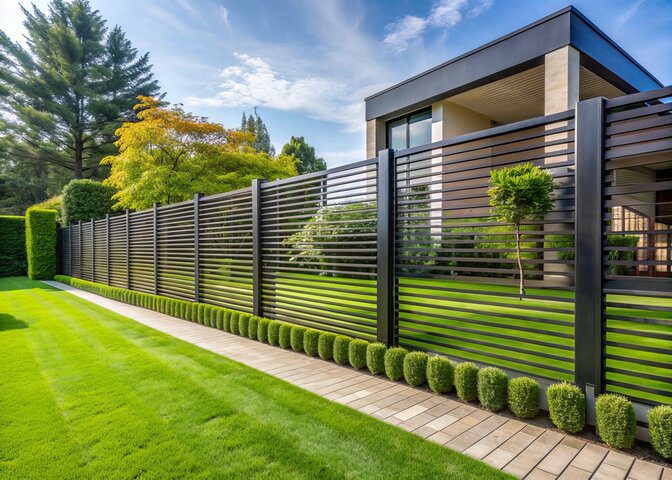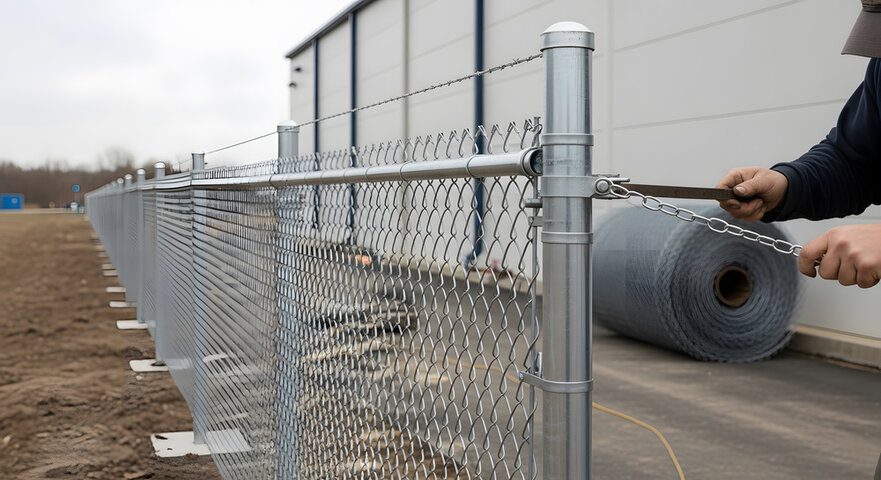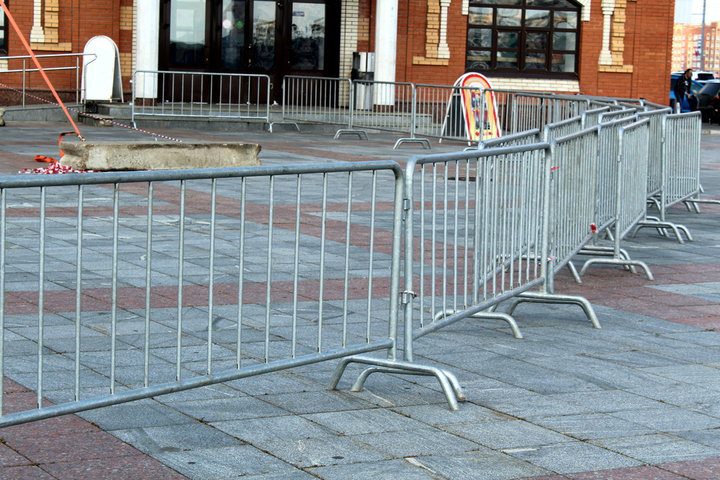
Choosing the right fence material is one of the most important decisions homeowners make when improving their property. A fence is not just a boundary—it impacts security, privacy, curb appeal, maintenance costs, and long-term property value. With several popular options available today, the most common debate comes down to wood vs wrought iron vs aluminum fencing.
Each material has its own strengths and trade-offs, and the best choice depends on your goals, budget, location, and lifestyle. In this guide, we’ll break down everything you need to know so you can confidently choose the right fencing material for your home.
Why Fence Material Choice Matters
Before comparing materials, it’s important to understand why your decision matters so much. A fence is a long-term investment that can last anywhere from 10 to 50+ years depending on the material and maintenance.
The right fence can:
- Increase home security
- Improve privacy
- Boost curb appeal
- Enhance property value
- Reduce maintenance headaches
- Withstand weather conditions in your region
On the other hand, the wrong material can lead to frequent repairs, higher long-term costs, and early replacement.
1. Wood Fencing: Classic, Natural, and Private
Wood fencing is one of the most traditional and widely used fencing options for residential properties. It is known for its natural appearance and strong privacy benefits.
✔ Key Benefits of Wood Fencing
1. Strong Privacy
Wood fences—especially board-on-board or solid panel styles—are excellent for blocking visibility. If privacy is your top concern, wood is often the best option.
2. Natural Aesthetic Appeal
Wood blends beautifully with landscaping, gardens, and outdoor living spaces. It gives a warm, classic look that many homeowners prefer.
3. Customizable Design
Wood can be customized in many ways:
- Height variations
- Stain or paint colors
- Decorative tops (lattice, scalloped edges, etc.)
- Horizontal or vertical layouts
4. Cost-Effective Installation
Wood fences are often cheaper upfront compared to iron or aluminum, making them attractive for budget-conscious homeowners.
❌ Drawbacks of Wood Fencing
1. High Maintenance
Wood requires regular upkeep such as:
- Staining or painting every 2–3 years
- Protection against rot and termites
- Cleaning mildew or mold buildup
2. Weather Damage
Exposure to rain, sun, and humidity can cause warping, cracking, or fading over time.
3. Shorter Lifespan
Even with good maintenance, wood fences typically last 10–20 years depending on conditions.
✔ Best For:
- Homeowners who want privacy
- Budget-friendly installations
- Traditional or rustic home styles
- Custom design flexibility
2. Wrought Iron Fencing: Strength, Security, and Elegance
Wrought iron fencing is known for its durability and decorative appeal. It is often used in upscale homes, estates, and properties that prioritize security and aesthetics.
✔ Key Benefits of Iron Fencing
1. Exceptional Security
Iron fences are extremely strong and difficult to break or cut through, making them one of the best choices for security.
2. Long Lifespan
With proper care, wrought iron fences can last decades—often 30–50 years or more.
3. Elegant and Premium Look
Iron fencing adds a luxurious and timeless appearance to any property. It enhances curb appeal significantly.
4. Low Replacement Needs
Unlike wood, iron does not need frequent replacement—only maintenance and occasional repairs.
❌ Drawbacks of Iron Fencing
1. Expensive Installation
Wrought iron is typically the most expensive fencing option due to material and labor costs.
2. Rust Risk
Without protective coatings, iron can rust over time, especially in humid or rainy climates.
3. Limited Privacy
Iron fences are usually open-style designs, meaning they do not provide much privacy unless combined with landscaping or panels.
✔ Best For:
- Luxury homes and estates
- Security-focused properties
- Decorative front yards
- Long-term investment buyers
3. Aluminum Fencing: Lightweight, Modern, and Low Maintenance
Aluminum fencing has become increasingly popular due to its durability and low maintenance requirements. It offers a similar look to wrought iron but at a lower cost and with easier upkeep.
✔ Key Benefits of Aluminum Fencing
1. Low Maintenance
Aluminum does not rust like iron and does not require painting or staining like wood.
2. Weather Resistant
It performs well in rain, heat, and humidity, making it ideal for many climates.
3. Cost-Effective Alternative to Iron
Aluminum provides a similar elegant look to iron but at a more affordable price.
4. Lightweight but Durable
It is easier to install and handle while still offering strong durability.
5. Modern Design Options
Aluminum fences come in various styles and finishes that suit both modern and traditional homes.
❌ Drawbacks of Aluminum Fencing
1. Less Strong Than Iron
While durable, aluminum is not as strong as wrought iron and can bend under heavy force.
2. Limited Privacy
Like iron, aluminum fencing is typically open and does not provide privacy without additional landscaping.
3. Not Ideal for High-Impact Areas
It may not be the best choice for areas where heavy impact or pressure is expected.
✔ Best For:
- Low-maintenance homeowners
- Modern-style homes
- Pool enclosures
- Decorative perimeter fencing
Wood vs Iron vs Aluminum: Quick Comparison
| Feature | Wood | Wrought Iron | Aluminum |
|---|---|---|---|
| Privacy | High | Low | Low |
| Security | Medium | Very High | Medium |
| Maintenance | High | Medium | Low |
| Cost | Low–Medium | High | Medium |
| Lifespan | 10–20 years | 30–50+ years | 20–30 years |
| Appearance | Natural | Elegant | Modern |
Factors to Consider Before Choosing
1. Purpose of the Fence
Ask yourself:
- Do you need privacy?
- Is security your priority?
- Is it decorative or functional?
2. Budget
Your upfront budget and long-term maintenance costs both matter. Wood is cheaper initially, but iron and aluminum may save money over time due to durability.
3. Climate Conditions
- Humid areas: aluminum or treated wood
- Harsh weather: iron or aluminum with coatings
- Dry climates: wood performs better
4. Maintenance Commitment
If you prefer low-maintenance living, aluminum is usually the best option. Wood requires the most attention.
5. Property Style
- Traditional homes: wood or iron
- Modern homes: aluminum or horizontal wood
- Luxury estates: wrought iron
Common Mistakes Homeowners Make
Many homeowners rush their fencing decision and end up regretting it later. Here are common mistakes to avoid:
- Choosing based on price alone
- Ignoring maintenance requirements
- Not considering long-term durability
- Overlooking local weather conditions
- Forgetting about HOA restrictions
Final Recommendation: Which Fence Material Is Best?
There is no single “best” fencing material—it depends entirely on your needs:
- Choose Wood if you want privacy, warmth, and affordability
- Choose Wrought Iron if you want premium security and luxury appeal
- Choose Aluminum if you want low maintenance and modern durability
The smartest approach is to balance budget, maintenance, and long-term goals rather than focusing on upfront cost alone.
Conclusion
Your fence plays a major role in defining your property’s appearance, safety, and functionality. Whether you prefer the natural charm of wood, the strength of wrought iron, or the convenience of aluminum, understanding the pros and cons of each material helps you make a confident decision.
A well-chosen fence not only protects your home but also enhances its beauty and value for years to come.