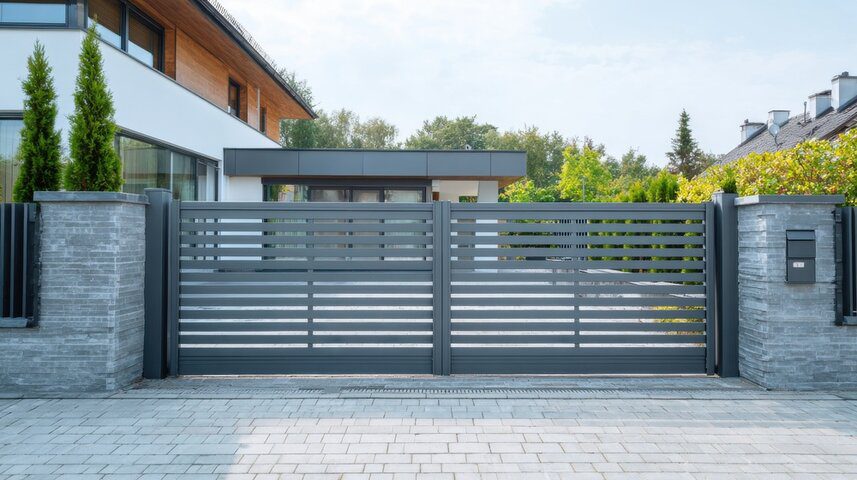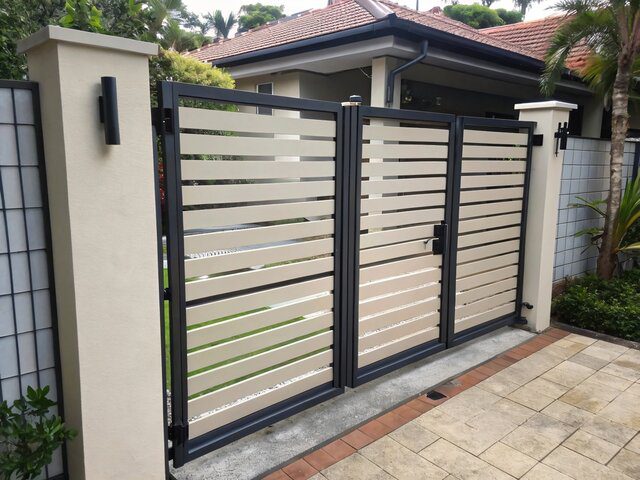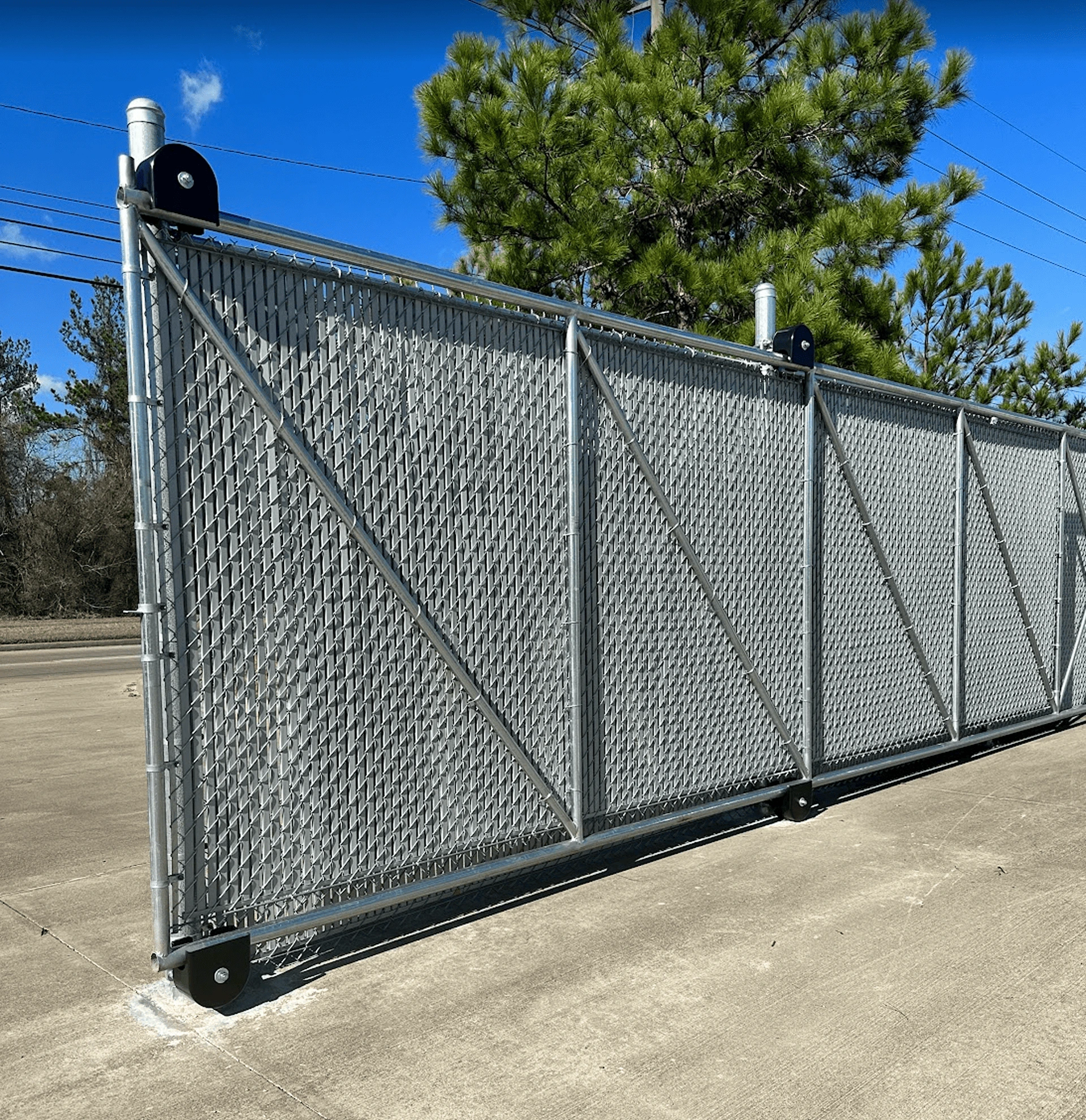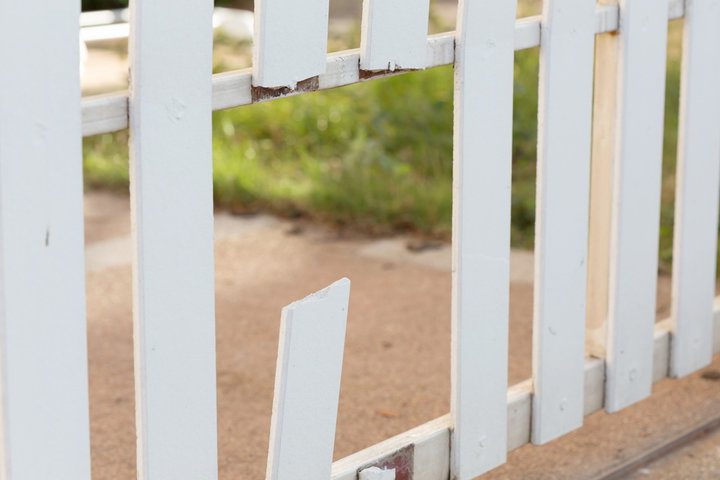
Choosing the right metal fence in Houston, TX usually comes down to two popular options: traditional wrought-iron style (steel) and modern aluminum. Both can look sharp, both can protect your property, and both can be built with gates and access control. But they behave very differently in our Gulf Coast climate, and the “right” choice depends on what you expect from the fence over the next 10–30 years.
In this guide, we’ll compare iron vs aluminum fencing the same way we do with customers: strength and security first, then longevity in Houston weather, then style, maintenance, and real-world budgeting. If you’d like help narrowing the choice for your yard or commercial site, start with our Houston, TX fence installation team or request a fast quote using our fence estimator.
Iron fence vs aluminum fence: quick answer for Houston homeowners
If you want the most rigid, hardest-to-bend option for security and long-term structure, an iron (steel) fence is usually the better pick. If you want a lighter fence that won’t rust and needs very little upkeep, aluminum typically wins—especially when you’re prioritizing clean curb appeal and predictable maintenance.
- Iron/steel is heavier, stronger, and can be repaired and re-welded in many cases.
- Aluminum is lighter, corrosion-resistant, and generally simpler to maintain in humid Houston conditions.
- Both can be built to meet pool safety and code requirements when designed properly.
Strength and security: which metal fence is tougher?
Strength is the biggest difference. Steel (often called “iron fence” in everyday conversation) is naturally more rigid and resistant to bending. When we install iron fencing in Houston, TX neighborhoods, we typically choose a design and gauge that holds up to impacts, pets pushing on panels, and long-term gate movement.
Iron/steel strength in real life
Iron/steel fences are a great match when security is the top priority—front yards near sidewalks, properties with valuable equipment, or homes that want a fence that feels substantial. It also pairs well with matching gates, including automatic operators. If you’re exploring a full driveway gate package, see our iron gates in Houston, TX service page.
- Rigid panels resist flexing and racking.
- Welded connections can be extremely durable when coated and maintained.
- Heavier gates feel sturdier and can handle daily use when hinges and posts are built correctly.
Aluminum strength (and where it’s enough)
Aluminum fencing is strong for its weight, but it will typically flex more than steel under the same force. For many Houston homeowners, that’s not a problem—especially for decorative perimeter fencing, pool enclosures, and front-yard fencing where the goal is visibility and curb appeal. We often recommend aluminum when the fence isn’t expected to take abuse and the owner wants the “install it and forget it” experience.
- Great for decorative boundaries and pool safety lines.
- Lighter gates put less stress on hinges and posts.
- Security can be improved with picket spacing, height, and gate hardware.
Houston climate reality: rust, corrosion, and coatings
Houston’s humidity, frequent rain, and salty air in some areas (especially when you’re closer to the coast) make corrosion a real design factor. The good news: both iron/steel and aluminum can last a long time here, but they do it in different ways.
Iron/steel: coating quality matters more than the metal
Steel can rust if the protective finish is compromised. That doesn’t mean iron fencing is a bad idea in Houston, TX—it means you need the right coating system and a maintenance plan. Powder coating is common, and a high-quality coating applied correctly can perform very well. But if the coating gets chipped (lawn equipment, pets, impacts), you’ll want to touch up exposed areas so rust doesn’t spread.
For general fence longevity planning, our process page explains how we approach materials and installation details: our fence installation process.
- Choose quality powder coating and hardware.
- Plan for occasional touch-up paint on chips or scratches.
- Inspect welds and low areas where moisture can linger.
Aluminum: naturally corrosion-resistant
Aluminum doesn’t rust the way steel does, which is a major advantage in humid climates. That’s why aluminum is popular for pool fences and decorative fencing in Houston neighborhoods where homeowners want the metal look without frequent upkeep. Coatings can still fade over time, but you’re typically not fighting rust at chips and scratches.
- Minimal worry about rust-related repairs.
- Good choice for properties with sprinklers hitting the fence regularly.
- Color stability depends on finish quality, sun exposure, and cleaning habits.
Style and curb appeal: traditional vs modern looks
Both fence types offer clean lines and visibility, but the “feel” is different. Iron (steel) fencing often reads as more classic and substantial. Aluminum can mimic that style closely, but it tends to look a bit more contemporary and uniform.
Matching your home’s architecture
In Houston, TX we see iron fencing paired with brick and stone homes, historic-inspired exteriors, and properties where the front yard is part of the home’s presentation. Aluminum often fits modern homes, updated ranch styles, and pool areas where the fence needs to blend in and stay low-maintenance.
- Iron/steel: classic look, heavier presence, custom ornamental options.
- Aluminum: clean, consistent finishes, great for modern and pool fencing.
- Either: can be paired with masonry columns; see our masonry work if you want a mixed-material design.
Maintenance in Houston, TX: what you’ll actually do year to year
Most fence owners don’t want a “project” every spring. Maintenance expectations should be part of your decision.
Typical iron/steel fence maintenance
For steel fencing, the routine is usually a quick visual inspection plus touch-ups as needed. If you stay ahead of chips, you prevent rust from becoming a larger repair. Gates may need occasional hinge adjustment—especially if the ground shifts or drainage changes over time.
- Rinse pollen and grime periodically (especially near landscaping).
- Touch up chips quickly to prevent rust spread.
- Check gate swing, latches, and hardware for smooth operation.
Typical aluminum fence maintenance
Aluminum fencing generally needs less intervention. Cleaning and hardware checks are still wise, but you’re not fighting rust at scratches. Many owners simply rinse it a few times a year and keep vegetation trimmed back.
- Rinse and wash off dirt/mildew as needed.
- Keep vines and sprinklers from constantly soaking gate hardware.
- Inspect latches and hinges annually.
Cost in Houston, TX: what affects your price the most
We see “iron fence vs aluminum fence cost” questions every week. The honest answer is that both can land in a wide range depending on height, picket spacing, panels vs on-site fabrication, number of gates, slope of the yard, and whether you’re adding access control.
If you want a quick ballpark, start with our fence estimator, then we can confirm with an on-site measure. Financing is also available for qualified projects; learn more on our financing options page.
- Iron/steel often costs more when custom fabrication and heavier posts are needed.
- Aluminum can be cost-effective for longer runs with standard panels.
- Gates, operators, and columns can be the biggest line items regardless of fence type.
Installation details that matter (more than the material)
In Houston, TX the fence material is only part of the story. The install details—post depth, concrete, drainage considerations, and gate layout—often determine how the fence feels after a few seasons.
Posts, concrete, and soil movement
Our soils can shift with heavy rains and drought cycles. A properly set post and well-planned drainage path can keep panels aligned and gates swinging correctly. If you’re combining metal fencing with other fence types on the same property, our wood fence installation and chain link fence services can be integrated into one cohesive layout.
- Gate posts should be sized for the gate weight and usage frequency.
- Sloped yards need step panels or racked panels depending on style.
- Hardware quality matters in humidity—stainless or coated hardware can pay off.
Pool fencing and code considerations
If you’re fencing around a pool, you need to think about safety requirements first. Both aluminum and iron/steel can work—what matters is picket spacing, height, self-closing/self-latching gate hardware, and layout that prevents climbing points. For broader guidance on barrier safety, the U.S. Consumer Product Safety Commission’s pool safety resources are a good reference (CPSC Pool and Spa Safety).
- Plan gate placement so it’s convenient to use (and therefore stays closed).
- Avoid horizontal members that create easy footholds.
- Choose durable latches that keep working after Houston rain and sun.
Which should you choose: iron or aluminum?
When customers ask us to pick a direction, we narrow it down to priorities:
- Choose iron/steel when you want maximum rigidity, a heavier “high-end” feel, and you’re comfortable with periodic touch-ups.
- Choose aluminum when you want low-maintenance metal fencing that resists corrosion and stays consistent over time.
- Either can work if you design the height, spacing, and gates for your actual goals—security, pets, pool safety, or curb appeal.
FAQ: iron fence vs aluminum fence in Houston, TX
Does aluminum fencing look cheaper than iron?
Not necessarily. High-quality aluminum panels with a good finish can look very similar to iron from the street. The difference is usually in the “weight” and rigidity—iron feels more substantial up close.
Will an iron fence rust in Houston’s humidity?
Steel can rust if the coating is damaged, but a properly coated fence with quick touch-ups at chips can last a long time in Houston, TX. The key is not ignoring exposed metal once you see it.
Is aluminum fencing secure enough for a front yard?
For many homes, yes—especially when you choose appropriate height, picket spacing, and a quality gate latch. If your priority is high security or you need a heavier gate system, iron/steel may be the better fit.
Which fence is better for a pool enclosure?
Both materials can work as long as the design meets safety requirements. Aluminum is popular for pool fencing because it’s corrosion-resistant and low-maintenance, but iron/steel can also be used with the right hardware and layout.
Get a metal fence quote from Griffin Fence
If you’re comparing an iron fence vs an aluminum fence in Houston, TX, we can help you choose a design that fits your home, your security needs, and your maintenance comfort level. We’ll walk the property, measure accurately, and recommend the right posts, panels, and gate setup for your layout.
Call Griffin Fence today at (713) 937-6611 or contact us online for a free estimate.
For more homeowner resources, you can also browse our blog or view project photos in our gallery. For general building code context and permitting guidance, the City of Houston’s permitting page is a helpful starting point (City of Houston permits).