Introduction
Choosing the right fence for your property is about more than simply marking boundaries. A fence plays an important role in your home’s appearance, security, privacy, and overall functionality. Whether you’re installing a fence for a newly purchased home or replacing an existing one, one of the biggest decisions you’ll face is choosing between a privacy fence and a decorative fence.
Both fencing styles offer unique advantages, and the best option depends on your property’s needs, your lifestyle, local regulations, and your long-term goals. While privacy fences are designed to create seclusion and security, decorative fences focus on enhancing curb appeal and defining outdoor spaces without blocking visibility.
Understanding the differences between these two popular fencing options can help you make an informed decision that adds value and functionality to your property.
What Is a Privacy Fence?
A privacy fence is designed to block visibility into your yard or outdoor living space. These fences typically feature solid panels with little to no spacing between boards or sections.
Privacy fences are commonly used around:
- Backyards
- Swimming pools
- Outdoor entertainment areas
- Residential properties
- Side yards
Most privacy fences range from 6 to 8 feet in height, depending on local regulations and homeowner preferences.
Common Privacy Fence Materials
Privacy fences are available in several materials, including:
- Wood
- Vinyl
- Composite
- PVC
- Certain aluminum panel systems
Each material offers different benefits in terms of appearance, durability, maintenance, and cost.
What Is a Decorative Fence?
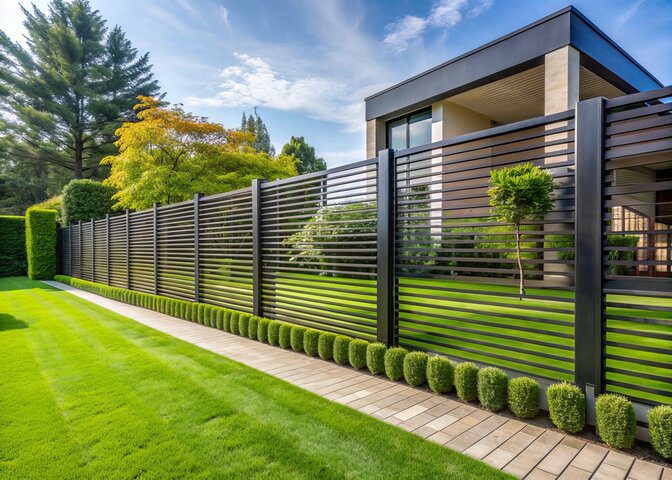
Decorative fencing is primarily designed to enhance a property’s visual appeal while still providing a clear boundary. Unlike privacy fences, decorative fences typically feature open designs that allow visibility through the fence.
Decorative fences are often used for:
- Front yards
- Gardens
- Landscape features
- Commercial properties
- Historic homes
- Entryways
These fences focus on aesthetics rather than complete privacy.
Common Decorative Fence Materials
Popular decorative fencing materials include:
- Wrought iron
- Aluminum
- Steel
- Picket wood fencing
- Decorative vinyl fencing
Decorative fencing can complement various architectural styles while maintaining an open and inviting appearance.
Benefits of Privacy Fencing
Privacy fences remain one of the most popular fencing choices among homeowners for several reasons.
Enhanced Privacy
The most obvious advantage is privacy.
A solid fence prevents neighbors, pedestrians, and passersby from looking directly into your yard. This creates a more comfortable environment for relaxing, entertaining, or spending time with family.
Homeowners often choose privacy fences when they want:
- More seclusion
- Greater personal comfort
- A private outdoor retreat
- Reduced visibility from nearby streets
For many families, privacy is the primary reason for installing a fence.
Increased Security
Privacy fences can also improve security by limiting visibility into the property.
Potential intruders cannot easily see:
- Outdoor equipment
- Patio furniture
- Vehicles
- Entry points
- Children’s play areas
The added barrier can discourage unwanted access and improve peace of mind.
Better Noise Reduction
Although no fence completely eliminates noise, solid privacy fences can help reduce sounds from:
- Busy roads
- Neighboring properties
- Pedestrian traffic
- Nearby recreational areas
Wood and composite privacy fences are especially effective at dampening sound.
Improved Safety for Children and Pets
Families with children or pets often prefer privacy fencing because it creates a secure enclosed area.
Benefits include:
- Reduced risk of pets wandering away
- Safer outdoor play areas
- Better separation from neighboring properties
- Controlled access through gates
A fully enclosed yard allows families to enjoy outdoor spaces with greater confidence.
Wind Protection
Privacy fences can serve as windbreaks by reducing the force of strong winds.
This can make outdoor spaces more comfortable while protecting:
- Landscaping
- Outdoor furniture
- Garden areas
In areas that experience seasonal storms, this added protection can be valuable.
Drawbacks of Privacy Fencing
While privacy fencing offers many advantages, it also has some potential disadvantages.
Higher Material Costs
Because privacy fences use more material than decorative fences, installation costs are often higher.
Factors affecting cost include:
- Fence height
- Material selection
- Property size
- Gate requirements
Increased Maintenance
Wood privacy fences require regular maintenance such as:
- Staining
- Sealing
- Painting
- Board replacement
Although vinyl and composite options reduce maintenance needs, they often come with higher upfront costs.
Limited Visibility
While privacy is beneficial, completely blocking visibility may not always be desirable.
Some homeowners prefer maintaining views of:
- Landscaping
- Water features
- Scenic surroundings
A privacy fence can restrict those sightlines.
Wind Resistance
Solid-panel fences can experience greater pressure during high winds.
Proper installation and reinforced posts are critical, particularly in areas prone to strong storms and hurricanes.
Benefits of Decorative Fencing
Decorative fencing provides several unique advantages that appeal to many property owners.
Enhanced Curb Appeal
One of the biggest benefits of decorative fencing is its ability to improve a property’s appearance.
Decorative fences can:
- Complement architecture
- Highlight landscaping
- Create visual interest
- Increase overall elegance
Many homeowners view decorative fencing as an extension of their home’s design.
Preserved Visibility
Unlike privacy fencing, decorative fences maintain open sightlines.
This allows homeowners to enjoy views of:
- Gardens
- Trees
- Water features
- Neighborhood surroundings
Open visibility can make outdoor spaces feel larger and more inviting.
Lower Material Usage
Decorative fences often require fewer materials than solid privacy fences.
This can reduce:
- Installation costs
- Material expenses
- Labor requirements
Aluminum and ornamental steel fencing are often cost-effective long-term solutions.
Excellent Wind Resistance
Because decorative fences allow airflow between pickets or rails, they generally perform well during storms.
Reduced wind resistance lowers the risk of:
- Fence collapse
- Panel damage
- Structural stress
This can be especially important in regions that experience strong seasonal winds.
Low Maintenance Options
Many decorative fencing materials require minimal upkeep.
Aluminum fencing, for example, often needs only occasional cleaning while resisting rust and corrosion.
Drawbacks of Decorative Fencing
Decorative fences may not be ideal for every property.
Limited Privacy
The most significant drawback is the lack of privacy.
Because decorative fences feature open designs, neighbors and passersby can easily see into the yard.
This may be undesirable for homeowners seeking a secluded outdoor environment.
Reduced Security
Decorative fences define boundaries but may provide less security than tall privacy fences.
Visibility into the property remains largely unobstructed, making outdoor belongings more visible.
Less Noise Reduction
Open-style fencing offers little protection from outside noise.
Traffic sounds, neighborhood activity, and other environmental noise pass through easily.
May Not Contain Small Pets
Depending on the design, decorative fences may allow small pets to squeeze through openings.
Additional modifications may be necessary for pet owners.
Comparing Privacy and Decorative Fencing
Privacy
Privacy Fence: Excellent
Decorative Fence: Minimal
If privacy is your primary goal, a privacy fence is clearly the better option.
Security
Privacy Fence: High
Decorative Fence: Moderate
Privacy fencing provides greater visual screening and restricted access.
Curb Appeal
Privacy Fence: Good
Decorative Fence: Excellent
Decorative fencing often serves as a design feature that enhances the property’s appearance.
Maintenance
Privacy Fence: Varies by material
Decorative Fence: Generally low
Aluminum decorative fencing typically requires less maintenance than wood privacy fencing.
Storm Performance
Privacy Fence: Moderate
Decorative Fence: Strong
Open designs generally withstand high winds better than solid-panel fences.
Cost
Privacy Fence: Typically higher
Decorative Fence: Often lower
Material type and fence height significantly influence overall project costs.
When a Privacy Fence Is the Better Choice
A privacy fence may be ideal if you:
- Have close neighbors
- Want a secluded backyard
- Have children or pets
- Use your yard for entertaining
- Want greater security
- Need noise reduction
- Own a pool that requires enclosure
Many suburban homeowners choose privacy fencing because it creates a private outdoor living space.
When a Decorative Fence Is the Better Choice
A decorative fence may be the better option if you:
- Prioritize curb appeal
- Want to showcase landscaping
- Enjoy open views
- Need only boundary definition
- Own a historic or upscale property
- Want a low-maintenance solution
- Live in an area with strong winds
Decorative fencing is particularly popular for front yards and ornamental landscaping.
Can You Combine Both Fence Styles?
Absolutely.
Many homeowners successfully combine privacy and decorative fencing on the same property.
Examples include:
- Privacy fencing around the backyard
- Decorative fencing in the front yard
- Decorative gates paired with privacy panels
- Mixed-material designs that balance function and aesthetics
This approach allows homeowners to enjoy the benefits of both styles while enhancing the overall appearance of the property.
Factors to Consider Before Choosing
Before making a final decision, consider the following:
Your Primary Goal
Ask yourself what matters most:
- Privacy?
- Security?
- Appearance?
- Property value?
- Pet containment?
Your answer will guide the selection process.
Neighborhood Standards
Some communities have homeowners’ association guidelines that regulate fence styles, heights, and materials.
Always verify local requirements before installation.
Maintenance Preferences
Consider how much time and money you’re willing to invest in maintenance over the years.
Long-Term Value
A fence should complement your home’s architecture and continue serving your needs as your lifestyle changes.
Budget
Evaluate both initial installation costs and long-term maintenance expenses when comparing options.
Conclusion
Choosing between a privacy fence and a decorative fence ultimately comes down to your property’s specific needs and your personal priorities. Privacy fences provide security, seclusion, noise reduction, and safe outdoor spaces for families and pets. Decorative fences excel at enhancing curb appeal, preserving views, and creating elegant property boundaries with minimal maintenance.
Neither option is universally better than the other. The right choice depends on how you use your outdoor space, the level of privacy you desire, your aesthetic preferences, and your budget.
For many homeowners, the ideal solution may be a combination of both styles—using privacy fencing where seclusion is important and decorative fencing where appearance and visibility matter most. By carefully evaluating your goals and consulting with experienced fencing professionals, you can select a fencing solution that enhances your property’s beauty, functionality, and value for years to come.