Why split rail and ranch fencing works so well around Houston, TX
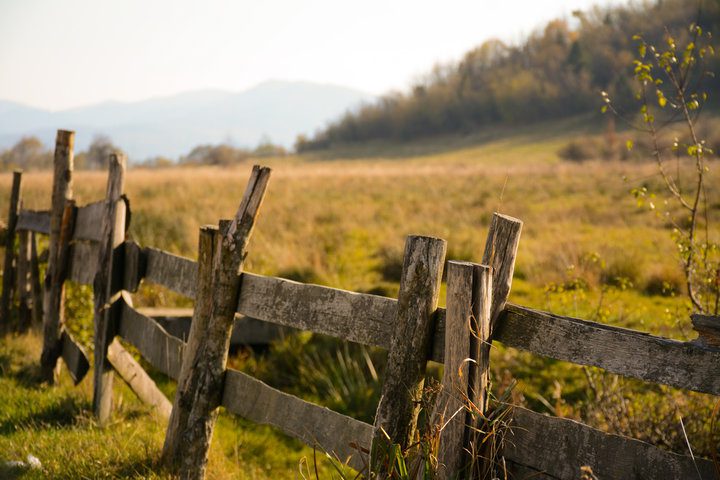
When customers call us about fencing a larger property in Houston, TX, they usually want three things at the same time: a clear boundary, an open view, and a budget that doesn’t spiral as the lineal footage climbs. That’s where split rail and ranch-style fencing shines. It’s simple, strong, and it looks right at home on acreage-style lots, horse properties, and wide-frontage homes that don’t want a solid wall around the perimeter.
- Split rail is a practical “big-footprint” fence style because it covers long runs efficiently while keeping sightlines open.
- It’s often the right balance of rustic curb appeal and straightforward maintenance for Houston-area acreage.
- For animals or tighter gaps, we can pair it with welded wire or mesh without losing the ranch look.
Split rail vs. “ranch fence”: what we mean in Houston
In everyday conversations, “split rail” and “ranch fence” get used interchangeably. Locally, we treat them as a family of post-and-rail fences:
- Split rail typically uses round or half-round rails (often 2-rail or 3-rail) that slide into notched posts.
- Ranch fencing is a broader label that can include split rail, post-and-board, or post-and-rail with different lumber profiles.
- “Horse fence” look usually means cleaner lines (often painted/stained board fencing) but ranch properties often choose split rail with mesh for function.
If you’re searching “split rail and ranch fencing near me in Houston, TX,” we can help you pick the right rail count, spacing, and reinforcement based on what you’re containing and what you want it to look like from the street.
- Rail count and spacing drives both appearance and how effectively the fence functions as a barrier.
- On many Houston-area properties, the best solution is split rail for the look plus wire mesh where you need tighter containment.
Best uses for split rail fencing in Houston-area properties
1) Defining long boundaries on larger lots
Split rail is one of the most efficient ways to define a property edge when you have a lot of linear footage to cover. For many customers, it’s less about “privacy” and more about clearly showing where the yard ends, keeping vehicles from cutting corners, or guiding foot traffic toward a driveway gate.
2) Keeping pets in (with the right add-ons)
By itself, split rail isn’t a pet fence. Dogs can slip between rails, and smaller animals can pass right through. The common fix is adding welded wire or no-climb mesh to the inside of the rails. You still get the open ranch look, but you gain real containment.
3) Light-duty livestock and pasture separation
For horses and larger animals, split rail can work well as a visible barrier, especially when the fence is installed with proper post depth and good corners. For higher-pressure livestock situations (or where animals lean), we typically recommend a stronger ranch configuration (more rails, better bracing, or a different system).
4) HOA-friendly “open” fencing in semi-rural neighborhoods
Some Houston-area communities that border greenbelts, drainage easements, or open land prefer fencing that doesn’t create a visual wall. Split rail often checks those boxes while still looking finished and intentional.
- Split rail is ideal when you want boundaries without blocking views.
- Mesh-backed split rail is a common solution for dogs and smaller animals.
Houston, TX climate realities: what affects ranch-style wood fencing
Houston is tough on exterior wood. High humidity, heavy rain events, strong sun, and the occasional freeze all add up. With split rail and ranch fencing, the biggest durability wins come from smart material choices and correct installation.
Moisture and rot resistance
Posts are the workhorses of a rail fence. If the posts fail, the whole fence starts leaning. We pay close attention to:
- Post material (often pressure-treated for ground contact)
- Drainage around the post (so water doesn’t sit at the base)
- Correct depth and tamping/setting method for Houston soils
Sun and checking (surface cracking)
It’s normal for wood rails to check over time. The goal isn’t “no checking ever,” it’s building a fence that stays structurally sound and looks good as it ages. A quality stain/seal schedule helps slow down weathering and keeps the finish more consistent.
- Houston weather demands ground-contact-rated posts and good drainage planning.
- Staining/sealing is optional for function, but it helps the fence age more evenly.
Cost of split rail fence in Houston, TX: realistic budget ranges
Pricing always depends on material, rail count, corners, gates, and site conditions. As a homeowner-friendly benchmark, HomeGuide lists split rail fence costs averaging $15–$35 per linear foot installed, with higher totals when wire mesh is added ($35–$40 per foot with mesh). HomeGuide’s split rail cost guide also breaks out how rail count affects cost (for example, 2-rail vs. 3-rail vs. 4-rail).
For a Houston property, we typically build estimates by walking the line and answering a few practical questions:
- How many linear feet are you fencing?
- Do you need mesh for pets?
- How many corners, slopes, and hard turns are there?
- Do you need a driveway gate or walk gate?
- Typical installed ranges often land in the $15–$35 per foot zone, depending on rail count and materials.
- Mesh-backed split rail costs more, but it can be the difference between “decorative boundary” and true containment.
Code and liability considerations: what Texas fence law means in plain English
We’re fence contractors, not attorneys, but we do encourage customers with acreage and animals to understand the basics of Texas fence law before choosing a boundary approach. A Texas A&M AgriLife Extension guide notes that Texas is open range by default, and it also describes what qualifies as an “adequate fence” in open-range counties (for example, a fence must be at least four feet high and a barbed wire fence must have three wires on posts no more than 30 feet apart, among other standards). Texas A&M AgriLife Extension’s fence law guide (PDF) is a solid starting point.
What this means for most Houston, TX owners: if you’re fencing acreage or animals, the “right” fence may be about more than appearance. It can affect containment expectations, neighbor disputes, and what you consider a sufficient barrier for your situation.
- Understand what “sufficient” fencing means for your property type and county rules.
- When animals are involved, we design for strength and visibility, not just aesthetics.
Design options we install for ranch-style fencing
2-rail vs. 3-rail vs. 4-rail
A 2-rail fence is the most open and often the most budget-friendly for long runs. A 3-rail fence is the common “sweet spot” for many homeowners who want the ranch look but need a more defined barrier. 4-rail options add visual weight and can be helpful where you want a stronger presence.
Split rail with welded wire / no-climb mesh
If you want dogs in the yard, keep wildlife out of a garden, or create a more functional pasture edge, adding mesh is usually the cleanest upgrade. Installed properly, it’s low-visibility from a distance but dramatically improves performance.
Corners, bracing, and gates
On large properties, corners and gate areas are where fences fail first if they’re underbuilt. We reinforce these points and match the gate style to the fence so the whole perimeter feels intentional.
- Rail count and reinforcement choices should match your functional goal (boundary, pets, livestock, or driveway control).
- Mesh-backed split rail is one of the best value upgrades for “ranch look + real containment.”
How we plan a split rail fence installation in Houston, TX
Step 1: Walk the line and confirm boundaries
On acreage lots, a small boundary mistake becomes a big problem. Before we set posts, we confirm where the fence should go, identify obstacles, and plan for gates and access points.
Step 2: Choose materials for Houston weather
We’ll talk through post type, rail material, and whether you want to stain or let it weather naturally. If you’re deciding between woods, you may find our guide on best wood for fences in Houston’s climate helpful.
Step 3: Build for drainage and soil conditions
Houston soils can shift and hold water. Post depth, spacing, and setting method matter. We plan for drainage so posts don’t sit in standing water after storms.
Step 4: Final alignment, cleanup, and care recommendations
We finish with alignment checks, hardware inspections, and a simple maintenance plan. If you want to understand our general approach, see our process.
- Planning a ranch fence on large lots starts with boundaries, drainage, and corner strength.
- Houston soil and water management are as important as lumber selection.
Maintenance: keeping split rail fencing looking good for years
Split rail is relatively straightforward to maintain, but Houston weather means you should plan for periodic checks:
- After heavy storms: look for washouts at posts and leaning sections.
- Annually: check corners, gate hardware, and any mesh attachments.
- Every few years: consider re-staining or re-sealing if you want a richer wood tone rather than a weathered finish.
If you’re comparing maintenance expectations across fence types, our overview of top fence materials for Houston properties can help you weigh options.
- Storm checks and corner/gate inspections prevent most long-term issues.
- Stain/seal schedules are mainly about appearance and slower weathering, not “making the fence work.”
FAQ: split rail and ranch fencing in Houston, TX
Is split rail fencing a good choice for dogs?
On its own, split rail usually isn’t enough to contain dogs because of the spacing between rails. In Houston, TX, we commonly add welded wire or no-climb mesh to create a dog-safe perimeter while keeping the ranch look.
How many rails do I need for a ranch-style fence?
Many homeowners choose 3-rail for a balanced look and better definition, while 2-rail is more open and budget-friendly. If you want a stronger visual boundary (or more barrier effect), a 4-rail design may be a better fit.
Will a split rail fence last in Houston weather?
Yes, when it’s built with ground-contact-rated posts, proper post depth, and drainage planning. Houston’s humidity and rain make post quality and installation method especially important.
Do I need to worry about Texas fence law for a boundary fence?
If you have livestock or you’re fencing acreage where animals could be involved, it’s worth reading the basics. Texas A&M AgriLife Extension summarizes “adequate fence” standards (like minimum height) and explains open vs. closed range considerations in their guide.
Get a split rail fence estimate from Griffin Fence
Split rail and ranch fencing can be one of the best-looking, most practical ways to fence a large Houston, TX property—especially when we design it around drainage, corner strength, and the right containment upgrades.
Call Griffin Fence today at (713) 937-6611 or contact us online for a free estimate.
Want to learn more before we visit? Start with our guides on fence installation in Houston, TX and warranty coverage.