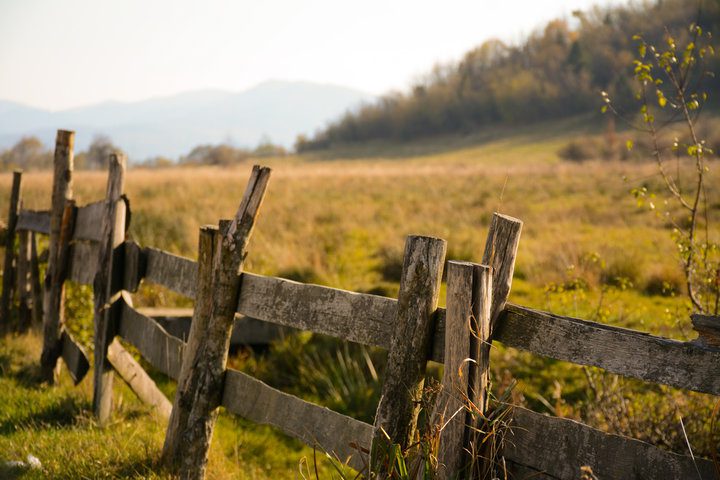
Fence design in 2026 is evolving far beyond basic property boundaries. Today’s homeowners want fences that complement modern architecture, enhance curb appeal, improve privacy, and require minimal maintenance. A fence is no longer just functional—it’s a key part of the home’s exterior design language.
Whether you are building a new home or upgrading an existing fence, understanding current trends can help you choose a design that looks modern today and stays relevant for years.
Below are the most important fence design trends shaping modern homes in 2026.
1. Horizontal Slat Fencing
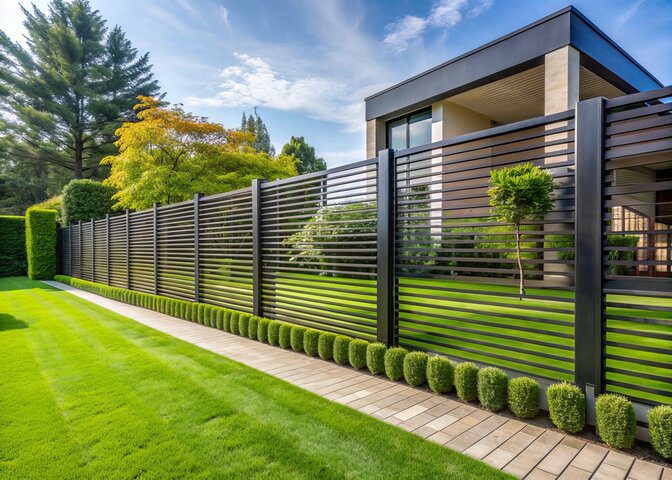
Horizontal fencing continues to dominate modern residential design because of its clean, linear look. Instead of traditional vertical boards, horizontal slats create a sleek and contemporary appearance that blends well with modern architecture.
This style is especially popular because it:
- Makes outdoor spaces look wider and more open
- Creates a strong architectural visual flow
- Works well with both wood and metal frames
- Offers adjustable privacy depending on spacing
Many homeowners now pair wood slats with black metal posts to achieve a contrast that feels both natural and modern. This combination is especially common in suburban homes aiming for a minimalist aesthetic.
2. Mixed-Material Fence Designs
One of the fastest-growing trends in 2026 is combining multiple materials in a single fence design. Instead of sticking to just wood or metal, homeowners are blending materials to create more depth and visual interest.
Popular combinations include:
- Wood with steel framing
- Stone or brick columns with metal panels
- Aluminum with composite boards
- Wood panels integrated with masonry bases
Mixed-material fences feel more customized and high-end. They also improve durability by using stronger materials in structural areas while keeping warm, natural materials in visible sections.
This trend reflects a broader shift toward architectural fencing that matches the home’s exterior design.
3. Matte Black and Dark Finishes
Color is playing a much bigger role in fence design today. In 2026, darker tones—especially matte black—are becoming the preferred choice for modern homes.
Instead of natural wood tones or bright finishes, homeowners are choosing:
- Matte black metal fences
- Dark espresso-stained wood
- Charcoal grey panels
- Deep brown and neutral earth tones
These darker finishes work well because they:
- Create strong contrast with greenery and landscaping
- Hide dirt and weathering better than lighter colors
- Look more refined and modern
- Match contemporary home exteriors
Matte finishes are especially popular because they avoid glare and give fences a smooth, premium look.
4. Low-Maintenance Aluminum Fencing
Aluminum fencing continues to gain popularity because it offers a balance of durability, style, and convenience. It provides a modern look similar to wrought iron but requires far less maintenance.
Homeowners are choosing aluminum because it:
- Does not rust like iron
- Requires no painting or staining
- Performs well in all weather conditions
- Is lightweight yet strong
- Offers a clean, modern appearance
In 2026, aluminum fence designs are becoming more refined, with slimmer profiles, flat-top styles, and improved powder-coated finishes. This makes them ideal for homeowners who want a stylish fence without ongoing maintenance responsibilities.
5. Privacy-Focused Modern Designs
Privacy remains one of the top priorities for homeowners, but the approach to achieving it has changed. Instead of plain, solid walls, modern fences now balance privacy with design aesthetics.
Popular privacy-focused features include:
- Horizontal boards with minimal spacing
- Staggered slat layouts for airflow and coverage
- Taller fences with clean, seamless finishes
- Partial screening combined with landscaping
Many modern backyards are now designed as private outdoor living spaces. Fences are used to create “rooms” outside the home for dining, relaxation, and entertainment.
The focus is no longer just blocking views—it’s about creating comfortable, usable outdoor environments.
6. Eco-Friendly and Natural Fence Materials
Sustainability is becoming a major influence in fence design. More homeowners are choosing environmentally responsible materials and natural aesthetics.
Eco-friendly fencing options include:
- Reclaimed or recycled wood
- Sustainably sourced cedar or pine
- Bamboo fencing for natural screening
- Living fences using plants and vines
These options are popular because they:
- Reduce environmental impact
- Blend naturally into landscaping
- Provide a softer, organic appearance
- Support green building practices
Living fences, in particular, are gaining attention as homeowners combine fencing with greenery to create natural privacy walls.
7. Minimalist Metal Fence Designs
Modern metal fencing is moving away from heavy decorative patterns and toward simple, minimalist styles. Clean lines and geometric structures define this trend.
Key characteristics include:
- Thin vertical pickets
- Simple horizontal rail systems
- Flat or squared-off tops
- Minimal ornamentation
This style works especially well for contemporary homes, townhouses, and urban properties where simplicity and structure are more important than decoration.
The focus is on elegance through restraint—less detail, more impact.
8. Smart Fence Features and Integration
Technology is also influencing fence design in 2026. Homeowners are increasingly adding smart features to improve security and convenience.
Popular smart fence upgrades include:
- Automated driveway gates
- Motion-activated lighting systems
- Solar-powered fence lights
- Video intercom systems
- Security camera integration
These features turn a traditional fence into an active security system. They also enhance nighttime visibility and improve overall home safety.
Smart fencing is especially popular in modern homes where security and automation are key priorities.
9. Vertical Garden and Green Fence Integration
Another growing trend is integrating greenery directly into fence design. Instead of separating fencing and landscaping, homeowners are combining both.
This includes:
- Climbing plants growing along fence panels
- Built-in planter boxes attached to fences
- Green wall sections integrated into fencing
- Natural ivy or vine-covered structures
These designs soften the appearance of fences and help them blend into the natural environment. They also improve air quality and create a more relaxing outdoor atmosphere.
Key Themes Defining Fence Design in 2026
Across all trends, several clear themes stand out:
- Clean, simple lines are replacing ornate designs
- Mixed materials are becoming standard for modern homes
- Low-maintenance solutions are in high demand
- Privacy is important but must be balanced with aesthetics
- Dark, matte finishes are preferred over light traditional tones
- Technology and smart features are increasingly integrated
- Nature and greenery are being incorporated into fence design
Final Thoughts
Fence design in 2026 reflects the evolution of modern living. Homeowners no longer see fences as simple boundaries—they are now extensions of architectural design, outdoor lifestyle, and personal style.
Whether you prefer horizontal wood slats, aluminum systems, mixed-material designs, or privacy-focused layouts, the key is to choose a fence that balances durability, maintenance, and visual appeal.
A well-designed fence today doesn’t just define your property—it enhances your entire home experience.