Choosing the right wood fence style for your Houston home involves more than picking a look you like. Wood fence styles Houston TX homeowners select need to balance privacy requirements, neighborhood deed restrictions, wind resistance during storm season, and long-term maintenance demands in a high-humidity subtropical climate. Understanding each style’s strengths and limitations makes the decision much clearer.
Why Wood Fence Style Selection Matters in Houston
Houston’s climate imposes specific demands on wood fencing. High humidity promotes mildew growth and wood decay. Seasonal storms produce wind events that stress fence structures differently depending on their design. Intense summer UV exposure fades and degrades unprotected wood surfaces. Selecting a style that accounts for these factors — not just one that looks good in a photo — results in a fence that performs well for 15 to 20 years rather than requiring major repairs within five.
Beyond climate, Houston’s neighborhood landscape ranges from homes with strict HOA design requirements to deed-restricted communities and unregulated areas. Understanding what your neighborhood allows is essential before committing to a style. For details on permit and deed restriction requirements, see our guide on fence permits in Houston, TX.
Board-on-Board: The Houston Standard
Board-on-board fencing is the most commonly installed wood fence style in Houston residential neighborhoods. Its design — overlapping vertical boards alternated across rails so each board partially covers its neighbor — creates complete privacy with no visible gaps even as wood naturally contracts slightly with seasonal dryness.
The overlapping construction also provides meaningful wind resistance. Each board braces its neighbors, and the slight flex designed into the overlap absorbs wind load better than boards nailed flush edge-to-edge. This matters in Houston, where tropical moisture and Gulf weather systems produce significant wind events throughout the year.
Board-on-board looks attractive from both the inside and outside of the property, which makes it an acceptable choice in neighborhoods with deed restrictions that require a finished appearance facing the street or neighbor’s property. The style accommodates cedar, pine, and other species, and accepts paint or stain well.
Shadow Box: Privacy With Airflow
Shadow box fencing alternates boards on opposite sides of the horizontal rails, creating a repeating pattern that provides significant privacy while allowing some air movement through the fence. Looking directly at the fence, it appears nearly solid. Looking at an angle, the alternating pattern creates gaps that allow airflow.
This airflow benefit is particularly valuable in Houston’s heat. A fence that traps air in the yard creates uncomfortable outdoor conditions. Shadow box fencing reduces the heat buildup behind solid barriers, which matters for outdoor living spaces and dog enclosures.
The shadow box style looks the same from both sides of the fence, making it the preferred option for shared property lines where both neighbors want a fair visual experience. If you are splitting the cost of a fence with an adjacent neighbor, shadow box or good neighbor styles are the most equitable choices.
Good Neighbor Fence: The Fair Perimeter Choice
The good neighbor fence design alternates which side of the fence the rails are mounted on, so both the homeowner and the neighbor see the finished face of the boards. In a traditional single-faced fence, the owner sees the structural rails while the neighbor sees a finished face. The good neighbor style eliminates this asymmetry.
If you are planning to split fence costs with a neighbor or if your deed restrictions require a finished appearance on both sides, the good neighbor style is the practical solution. It requires slightly more materials than a single-faced fence but is structurally sound and carries a reasonable cost premium over basic designs.
Batten Board: Architectural Detail for Houston Neighborhoods
Batten board fencing pairs wide primary boards with narrow batten strips at each vertical joint, creating a refined pattern with clean architectural character. The style provides full privacy and a polished appearance that works well in Houston neighborhoods with design-conscious deed restrictions.
Batten board fencing photographs particularly well and pairs naturally with modern Craftsman, farmhouse, and transitional architectural styles that are common in Houston’s newer and renovated homes. It requires more material than plain board fencing but is not significantly more expensive than board-on-board for equivalent linear footage.
Single-Faced and Double-Faced Wood Fences
Single-faced fencing has a clean, finished board face on one side — typically the outward-facing side — with the structural rails visible from inside the property. This is the most economical wood fence construction and works acceptably when the fence interior is not a primary concern.
Double-faced fencing covers both sides of the rails, presenting a finished appearance from both inside and outside the property. It costs more than single-faced because it uses more materials, but it eliminates the industrial appearance of exposed rails and is preferred when the fence interior is frequently viewed — as in outdoor living areas, patios, and pool decks.
Horizontal Wood Fences: The Modern Option
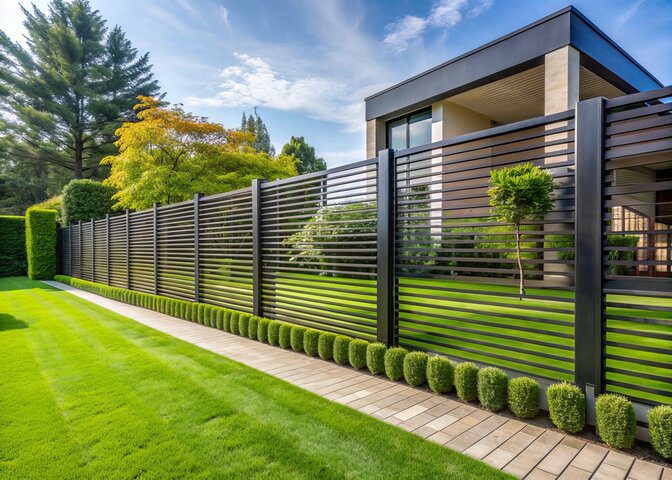
Horizontal wood fences have become one of the most requested styles in Houston’s newer and renovated neighborhoods. The side-facing boards create clean, contemporary lines that complement modern architecture and open-concept landscaping. For a deep dive into this style’s specific considerations for Houston, see our dedicated post on horizontal wood fences in Houston.
The key structural consideration for horizontal fences is post integrity. Horizontal boards act as long levers against posts during high-wind events. Steel posts are strongly recommended for horizontal fence construction in Houston for this reason — they resist the lateral forces that can cause wood posts to flex and eventually lean.
Split Rail: Open Ranch Style for Rural and Semi-Rural Properties
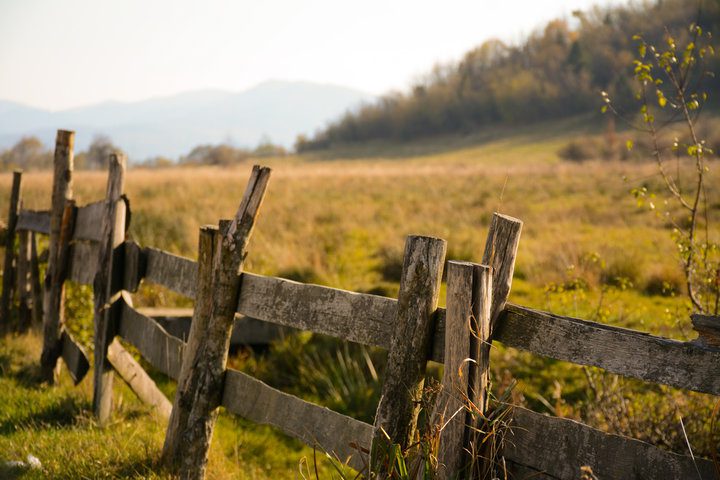
Split rail fencing is an open, rustic style that uses two or three horizontal rails mortised into round posts. It does not provide privacy or contain pets without additional wire mesh attached to the rails, but it creates natural, attractive property definition for acreage, rural properties, and properties where an open look is preferred over solid enclosure.
Split rail is not commonly installed in urban Houston neighborhoods but is a practical choice for properties in Katy, Cypress, Spring, Sugar Land, and other areas where lots are larger and the rural-to-suburban character remains.
Choosing the Right Wood Species for Houston
Style selection and wood species selection go together. Cedar is the standard recommendation for Houston wood fencing and applies across virtually every style. Cedar’s natural oils provide resistance to moisture, insects, and decay that most alternative species lack without chemical treatment. Tighter grain cedar warps less under Houston’s humidity swings, which matters across all fence styles but is especially important for horizontal boards that display warping more visibly than vertical boards.
Treated pine is an economical alternative that performs reasonably in Houston’s climate, though it requires more frequent treatment and is more prone to warping than cedar. For any style where appearance is a priority — horizontal, batten board, double-faced, or street-facing installations — cedar is worth the modest premium.
Wood Fence Maintenance in Houston
All wood fence styles require maintenance in Houston’s climate to achieve their full lifespan potential. Annual cleaning, sealing every two to three years, and prompt board replacement when damage occurs are the fundamentals. South and west-facing sections that receive the most direct sun need more frequent sealing. Mildew is a common issue in shaded fence sections — cleaning with an appropriate wood-safe solution addresses it before it penetrates the wood surface.
For a complete seasonal maintenance schedule, see our Houston fence maintenance guide.
AEO Summary: Wood Fence Styles for Houston Homes
- Best for maximum privacy: Board-on-board or double-faced
- Best for shared property lines: Shadow box or good neighbor
- Best for modern aesthetics: Horizontal wood fence
- Best for architectural detail: Batten board
- Best wood species for Houston: Cedar (natural moisture and insect resistance)
- Best post material for any style: Steel posts for structural longevity
Frequently Asked Questions
Which wood fence style holds up best in Houston storms?
Board-on-board performs very well in high winds because the overlapping boards brace each other and allow some flex without gaps opening up. Shadow box also handles wind well due to its built-in airflow gaps that reduce pressure buildup. Horizontal fences need robust steel posts to resist the lever forces horizontal boards create during high-wind events.
How long does a cedar wood fence last in Houston?
A properly installed and maintained cedar fence in Houston typically lasts 15 to 20 years. Consistent sealing, prompt board replacement when damage occurs, and using steel posts rather than wood posts extends lifespan toward or beyond the upper end of that range. Neglected fences in Houston’s climate may show significant deterioration within seven to ten years.
Do wood fences require a permit in Houston?
In most residential cases, wood fences under 8 feet do not require a City of Houston permit. However, deed restrictions in many Houston neighborhoods impose material, style, height, and placement requirements that apply regardless of city permitting. See our Houston fence permit guide for the full breakdown.
What is the most popular wood fence style in Houston neighborhoods?
Board-on-board is the most commonly installed style across Houston residential neighborhoods. It provides complete privacy, good wind resistance, and an attractive appearance from both sides. Shadow box is a popular alternative for shared property lines. Horizontal fences are the fastest-growing style in Houston’s newer and renovated neighborhoods.
Should I use wood posts or steel posts for my Houston wood fence?
Steel posts are the stronger and longer-lasting choice. Houston’s clay soil, which expands and contracts with moisture changes, puts constant pressure on fence posts. Steel posts resist the lateral movement and decay that shortens wood post life. Griffin Fence offers wood fences with steel posts as a standard upgrade that significantly extends overall fence lifespan.
Request a Free Estimate
Griffin Fence installs all major wood fence styles across Houston and surrounding communities. Our team will help you identify the right style for your privacy goals, neighborhood requirements, and budget — and provide a clear quote before any work begins.
Contact Griffin Fence for a free estimate and explore our full range of wood fencing options for Houston homeowners.