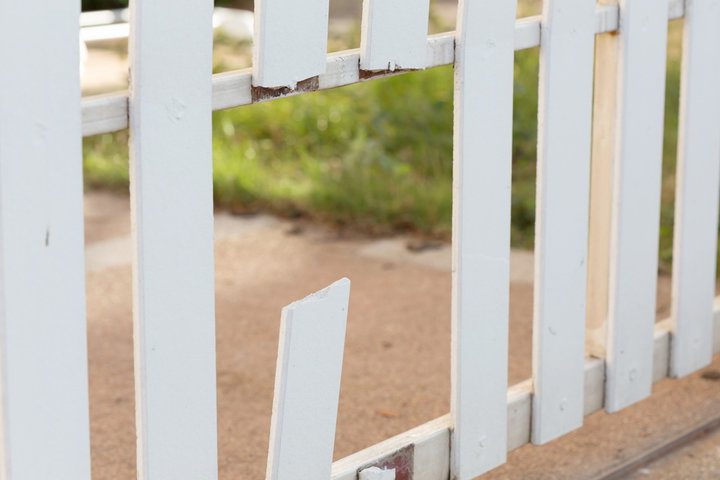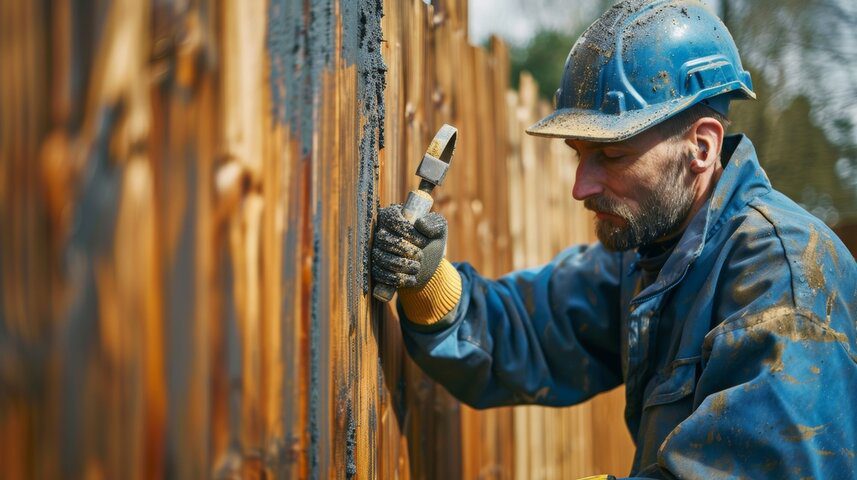
Wood Fence vs Iron Fence in Houston, TX: a quick answer
If you’re deciding between a wood fence and an ornamental iron fence in Houston, TX, it comes down to three factors: the look you want, the maintenance you’re willing to do, and how you use your yard. Wood is usually the better choice when you want maximum privacy and a warm, traditional appearance. Iron is usually the better choice when you want long-term durability, an open sightline, and a premium curb-appeal upgrade.
- Choose wood when privacy matters most, your lot needs noise buffering, or you want a budget-friendly install that can be repaired board-by-board.
- Choose iron when you want a high-end front-yard look, better visibility for driveways and cameras, and a fence that handles Houston humidity with minimal upkeep when properly finished.
- Many Houston homeowners do both: wood in the backyard for privacy + iron in the front for curb appeal.
How Houston conditions affect wood and iron fences
We build fences across the Houston area, and we see the same environmental stressors over and over: humidity, intense sun, heavy rain events, and clay soils that expand and contract. Those conditions don’t mean you can’t have a great wood fence or a great iron fence — it just means material choice and installation details matter.
Humidity + rain: what it means for wood
Wood is porous, so it expands and contracts as moisture changes. In our climate, that movement can lead to cupping, minor warping, or small cracks over time — especially if boards stay wet because vegetation traps moisture against the fence. The good news is that wood fences are straightforward to maintain with periodic cleaning and a quality stain or sealant, plus keeping soil and mulch from staying piled against posts and pickets.
- Moisture management and airflow matter as much as the wood species.
- Stain/seal schedules help reduce swelling and surface checking.
- Board replacement is simple if one section takes damage.
Humidity + rain: what it means for iron
Iron itself doesn’t swell, but it can rust if the finish is compromised. That’s why we pay close attention to coatings and surface prep. Hot-dip galvanizing is widely used to protect steel by providing barrier and cathodic protection, helping deliver long service life in outdoor environments (American Galvanizers Association).
- Galvanizing + a quality topcoat is a strong combination in Houston.
- Touch-up paint on nicks and chips prevents rust from spreading.
- Open pickets allow better airflow and dry-out after rain.
Sun + heat: fading, drying, and finish durability
Houston sun can be tough on any exterior surface. Wood can fade and dry out, which is one reason homeowners often choose a semi-transparent stain and plan on re-coating as needed. With iron, the key is the finish system; powder coating is commonly used on metal fencing because it forms a durable barrier that helps block moisture and oxygen from reaching the metal surface (FenceTrac).
- Wood: plan for periodic staining to keep color and water resistance.
- Iron: choose a reputable coating system and address chips quickly.
- Both: keep sprinklers from soaking the fence daily if possible.
Privacy and security: which fence actually protects your property?
Both wood and iron can provide excellent security — just in different ways.
Wood fence security
A properly built privacy fence creates a visual barrier that discourages opportunistic activity. It also helps block street noise and creates a calmer backyard space. For many Houston homeowners, that privacy is the “security feature” they value most.
- Full privacy reduces visibility into the yard.
- Repairable: if a storm damages boards, we can swap them without rebuilding the whole line.
- Pairs well with a secure wood gate and quality hardware.
Iron fence security
Iron fencing offers strength and visibility at the same time. In front yards and along driveways, clear sightlines are a major benefit — you can see vehicles, visitors, and activity near the gate. Iron also pairs well with modern access control and automated gate systems when you want a secure entry that looks upscale.
- Open pickets improve visibility for cameras and lighting.
- Strong perimeter option for front yards and side yards.
- Ideal for driveway gates and controlled access points.
Cost in Houston: what affects wood vs iron pricing?
Pricing depends on layout, height, grade changes, gates, and the exact product selected. As a rule, wood fencing is typically more budget-friendly upfront, while iron fencing is usually a larger initial investment that can pay off in longevity and lower day-to-day upkeep.
Wood fence cost drivers
- Wood type: Cedar, pine, or pressure-treated lumber each price differently.
- Fence style: Board-on-board, cap-and-trim, and custom details add labor/material.
- Posts and concrete: Proper footing depth and post spacing are critical in Houston soils.
- Gates: Wider gates and upgraded hinges/latches increase cost.
Iron fence cost drivers
- Ornamental design: Spear tops, finials, rings, and custom panels raise cost.
- Finish system: Galvanized components and premium coatings are worth it in our climate.
- Fabrication and layout: Slopes, steps, and custom widths require more shop work.
- Gates and automation: Driveway gates and operators are a major add-on.
Maintenance and lifespan: what to expect year after year
When homeowners ask us “Which lasts longer?”, the honest answer is: both can last a long time when built correctly — but their maintenance looks different.
Wood fence maintenance
Wood fences in Houston perform best when you keep them clean, allow airflow, and re-stain or re-seal on a reasonable schedule. If you like the idea of refreshing the look every few years, wood is a great fit. If you want to do almost nothing after installation, you may prefer iron.
- Clean off algae/mildew as needed after wet seasons.
- Re-stain or re-seal to maintain water resistance and color.
- Replace individual boards when needed rather than rebuilding.
Iron fence maintenance
With iron, your “maintenance plan” is mostly inspection and touch-up. If a weed trimmer chips a picket or a gate edge gets scratched, addressing that spot early helps prevent rust from starting. In general, a galvanized and well-coated iron fence is designed to resist corrosion for long-term outdoor use (American Galvanizers Association).
- Wash occasionally to remove dust and pollen buildup.
- Touch up chips/scratches so rust can’t get started.
- Check gate alignment and hinges as the property settles.
Design and curb appeal: front yard vs backyard recommendations
In Houston neighborhoods, we often recommend matching the fence style to how the space is used — and what you want it to look like from the street.
Front yard: iron is often the best fit
Ornamental iron fencing looks sharp from the curb, keeps the front yard open, and doesn’t block views of landscaping. It also pairs nicely with brick, stone, and modern home styles. If you’re comparing options, take a look at our iron fencing in Houston, TX service page for examples and options.
- Premium look without “closing in” the property.
- Better sightlines for driveway safety.
- Great for homes with strong architectural details.
Backyard: wood is often the best fit
Backyards are where privacy matters most — for kids, pets, pools, and outdoor entertaining. Wood fences give you flexibility in height and style, from classic privacy to board-on-board. If you want to explore backyard options, see our wood fencing in Houston, TX page and our cedar fence installation page for material details.
- Maximum privacy and noise buffering.
- Customizable styles and stain colors.
- Easy repairs when boards take wear or storm damage.
Common “best of both worlds” approach for Houston homes
A very practical solution is mixing materials: iron in the front yard and along the driveway, plus wood in the backyard and between neighbors. This gives you the curb appeal and visibility of iron where it counts, and the privacy of wood where you spend time.
- Iron in front: visibility + premium look.
- Wood in back: privacy + comfort.
- Consistent gate hardware and planning ties the whole project together.
FAQs: wood fence vs iron fence in Houston, TX
Is a wood fence cheaper than an iron fence in Houston, TX?
In most cases, yes — wood is typically a lower upfront cost than ornamental iron. Exact pricing depends on height, footage, gates, and details. We can walk the property and give you a clear quote for both options.
Will an iron fence rust in Houston humidity?
Iron can rust if it’s unprotected or if the finish gets damaged and isn’t touched up. That’s why we recommend a quality finish system (often galvanizing plus a topcoat) and quick touch-up of chips or scratches.
Which is better for pets: wood or iron?
It depends on the pet and the yard. Wood privacy fences are great for blocking distractions and keeping dogs calmer. Iron fences can work well too, but picket spacing needs to be sized for your pet so they can’t squeeze through.
Can I add a driveway gate with either material?
Yes. Both wood and iron can be built with driveway gates, but iron is especially popular for automated driveway gates because it’s strong and holds alignment well. If you’re considering automation, see our process and ask us about access control options.
Get a wood or iron fence estimate in Houston, TX
If you’re deciding between wood and iron, we can price both options and explain the trade-offs clearly. We’ll look at your layout, drainage, grade changes, and gate needs, then recommend what will perform best for your property.
Call Griffin Fence today at (713) 937-6611 or contact us online for a free estimate.