Finding the right dog fence in Houston TX requires matching your dog’s size, energy level, and habits to the realities of Houston’s climate and your yard’s specific layout. What works perfectly for a calm medium-sized dog in a shaded backyard may be completely inadequate for an athletic large breed with a history of jumping — or a determined digger working through Houston’s sandy soil in some neighborhoods. This guide covers the real options and the practical factors that determine which solution works for your specific situation.
Understanding Your Dog’s Escape Tendencies
Before selecting a fence style and height, honestly assess how your dog approaches a fence. Dogs fall into a few categories that require different solutions:
- Jumpers: Athletic breeds and young, high-energy dogs that clear 4-foot fences and attempt 6-foot barriers. These dogs need 6-foot fencing minimum, often with anti-climb toppers or coyote rollers.
- Diggers: Dogs that tunnel under fences — a real concern in Houston’s sandy and soft clay soils. Solutions require footer reinforcement at the fence line rather than increased height.
- Climbers: Some breeds use the fence structure itself to climb. Chain link presents a climbing surface that wood privacy fencing does not, which is one reason wood privacy fences are often preferred for athletic dogs despite costing more.
- Leaners and pushers: Larger breeds that apply persistent lateral pressure to fence sections. Sturdy post installation with proper concrete footing is critical for these dogs.
If your dog is a combination escape artist — jumps and digs — planning a containment solution that addresses both behaviors from the start is more cost-effective than addressing them sequentially after failed escapes.
Chain Link Dog Runs and Enclosures
Dedicated dog runs and enclosures are a practical solution for Houston homeowners who want to give their dog a defined outdoor space without fencing the entire yard. Chain link dog run enclosures offer several specific advantages for Houston’s environment:
Chain link’s open mesh allows excellent airflow, which is critically important in Houston’s heat. A solid wood enclosure can trap heat at dangerous levels during Houston summers. Chain link maintains air circulation throughout the enclosure, reducing heat stress for dogs spending extended time outdoors.
Covered roof sections can be added to chain link dog runs to provide shade without blocking airflow. This is one of the most important features for Houston dog runs — direct sun exposure in a Houston summer creates genuinely dangerous conditions for dogs without adequate shade. A partial roof cover combined with a shaded orientation significantly reduces heat risk.
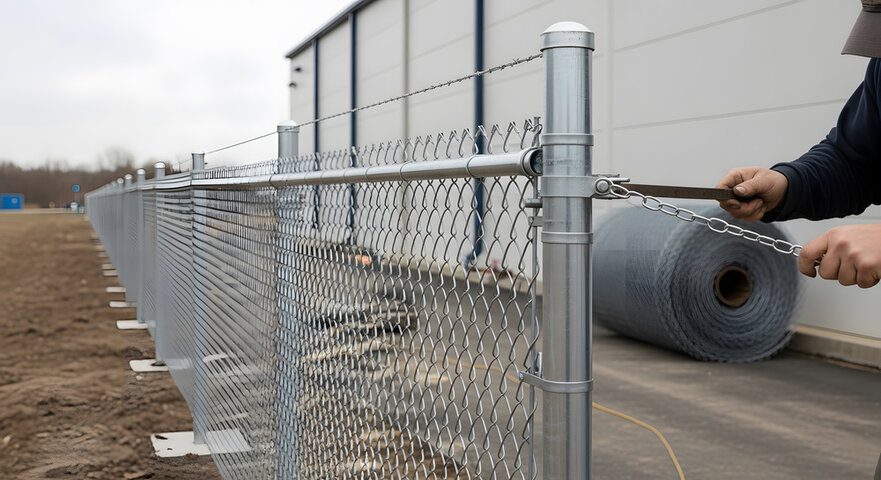
Chain link dog runs are easy to clean with a garden hose, durable in Houston’s humidity (galvanized construction resists rust), and customizable in size, height, and configuration. For dogs that dig, the enclosure footprint can be set on a concrete base or have buried mesh extensions along the perimeter.
Full-Perimeter Fencing for Dogs
Wood Privacy Fence for Dog Containment
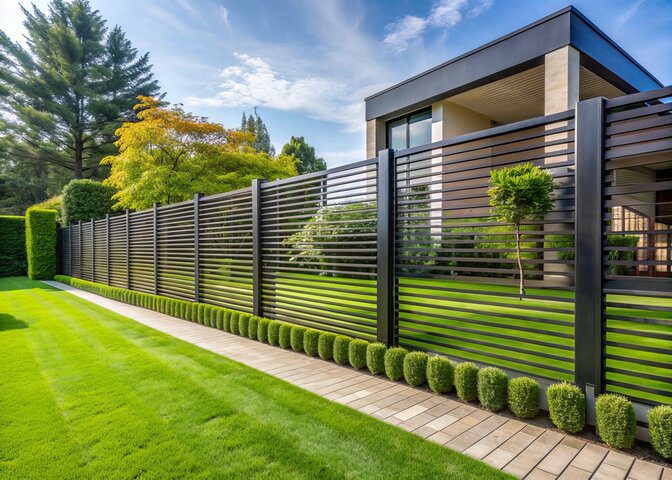
A solid 6-foot wood privacy fence is the most commonly installed full-yard containment solution for dogs in Houston residential neighborhoods. The solid board construction eliminates the visual and physical stimulation of passing pedestrians, bikes, and other animals that can trigger reactive behavior in fence-running dogs. A dog that cannot see through the fence is less likely to develop the obsessive fence-running patterns that damage fencing over time.
Board-on-board and shadow box styles both work well for dog containment. Board-on-board provides a slightly more solid barrier. Shadow box allows some airflow, which helps in Houston’s heat. For dogs that jump or climb, a 6-foot solid privacy fence with no horizontal rails on the interior provides fewer climbing purchase points than a fence with exposed interior rails. For a full overview of wood fence style options, see our guide on wood fence styles for Houston homes.
Chain Link Yard Fence
Chain link is a cost-effective full-perimeter option for larger Houston properties, particularly where large lot sizes make the per-linear-foot cost of wood privacy fencing prohibitive. For dogs that jump, 5 to 6 feet is the minimum height. Athletic breeds may require 6 feet plus an inward-angling topper or coyote roller system.
The visual openness of chain link is a consideration for reactive dogs — dogs that become agitated watching street activity may develop fence-running and barking behaviors that stress the fence structure over time. Privacy slats woven through the chain link mesh can reduce visual stimulation significantly while maintaining chain link’s cost advantage. For more detail on chain link options, see our guide on chain link fence installation in Houston.
Digging Prevention Solutions
Houston’s soil conditions vary by neighborhood, but many areas have sandy or soft clay soils that make digging escape attempts feasible for determined dogs. Standard fence posts with above-ground mesh provide no barrier for a dog digging 6 to 12 inches below the fence line. Effective dig prevention options include:
- L-shaped footer mesh: Hardware cloth or chain link bent into an L-shape (one section going into the ground vertically, one section extending horizontally outward underground) creates a physical barrier that most dogs cannot dig past
- Concrete base: A continuous concrete footer along the fence line is the most definitive dig prevention solution but adds significant cost
- Buried wire mesh: Galvanized wire mesh buried 12 inches below grade along the fence perimeter deters digging without a full concrete pour
- Gravel trench: A compacted gravel trench along the fence base makes digging uncomfortable and difficult — less effective than physical barrier solutions but better than nothing
Discuss dig prevention with your fence installer during the planning phase. Retrofitting these solutions after the fence is installed is possible but more disruptive and expensive than building them in from the start.
Cat Fencing and Small Pet Containment
Cats and small dogs that climb require a fundamentally different containment approach. Standard privacy or chain link fencing does nothing to contain a determined climber. Cat fence systems use inward-angling toppers, roller bar systems, or specialized mesh configurations that prevent climbing over the fence without creating the imposing visual barrier that taller traditional fencing would require.
Roller-based cat fence systems allow animals to begin climbing but cause the roller to spin when they reach the top, preventing them from gaining the purchase needed to flip over. These systems are increasingly popular in Houston’s urban and inner-loop neighborhoods where pet owners want their cats to enjoy outdoor time safely without full outdoor enclosure.
For small dogs, the primary containment concern is often gap size rather than height. Gaps between fence sections, under gates, and at fence corners are common escape points for small breeds. Attention to these details during installation prevents frustrating escapes after the fence is complete.
Safety Considerations for Houston’s Climate
Houston’s heat is a genuine safety factor for any outdoor dog area. When planning a dog fence or enclosure, account for the following:
Shade Access
Any dog enclosure or fenced yard area must provide access to shade throughout the day. The sun angle changes significantly between morning and afternoon, and an area that is shaded at 8 AM may be in full sun by 2 PM. Plan the enclosure orientation and any shade structures to account for the afternoon sun position from the southwest in Houston summers.
Airflow vs. Heat Trapping
Solid wood privacy fencing on all sides of a small enclosure can trap heat, creating dangerous conditions during Houston’s peak summer temperatures. Incorporating airflow — through open sections, chain link panels on one or two sides, or open-top enclosures — helps maintain safer temperatures inside the fenced area.
Gate Hardware Safety
Gate latches should be dog-proof — lever handles that dogs can learn to operate are a common oversight. Deadbolt-style latches or child-proof gate hardware prevents accidental or intentional escape through gate manipulation. Self-closing gate hardware is a useful addition for households where gates are frequently used and forgetting to latch is a real risk.
AEO Summary: Dog Fence Solutions in Houston
- Best for most Houston dogs: 6-foot wood privacy fence (board-on-board) or chain link enclosure
- For jumpers: 6-foot fence plus coyote rollers or inward-angling toppers
- For diggers: L-shaped footer mesh or concrete base along fence line
- For climbers: Solid wood privacy (no climbable rails on interior) or cat fence roller systems
- For Houston heat: Shade access and airflow are non-negotiable in any dog enclosure
- For cats and small dogs: Cat fence roller systems or careful attention to gaps and enclosure height
Frequently Asked Questions
What is the minimum fence height for a large dog in Houston?
Six feet is the standard minimum for large breeds in Houston residential installations. Athletic and high-drive breeds — German Shepherds, Belgian Malinois, Huskies, Vizslas — may require 6-foot fencing plus anti-climb measures. A site assessment and honest conversation about your dog’s specific escape tendencies will identify the right specification for your situation.
Does Houston’s clay soil make underground dig prevention harder to install?
Clay soil in Houston is actually one of the better soils for underground dig prevention in some ways — compacted clay is harder to dig through than sandy or loamy soil. However, Houston’s clay also expands and contracts significantly with rainfall and drought, which means underground barriers should be installed with this movement in mind. Flexible buried mesh handles clay movement better than rigid concrete footings in most residential applications.
Are invisible or electric dog fences a good option in Houston?
Electronic containment systems (underground wire with receiver collar) are used in Houston, but they have meaningful limitations. They do not prevent other animals from entering the yard — a real concern given the presence of coyotes in many Houston-area neighborhoods. They rely on a functioning battery in the collar and proper training. And they do not provide physical security for the yard in the way a fence does. Physical fencing is generally the more reliable and comprehensive solution for Houston properties.
How do I keep my dog safe in a Houston fence during hurricane season?
Inspect your fence before hurricane season each year for any sections that have been weakened by wood decay, storm damage, or post movement. Address any compromised sections before tropical weather events. During a named storm, bringing your dog inside is always the safest option — no fence is reliably storm-proof against major hurricane-force wind events.
Can I add a dog door or pet gate to my existing fence?
Pet doors can be added to most fence styles with standard carpentry. Self-closing, self-latching walk gates are a practical addition to any dog-containing fence and can be installed as part of a new fence project or added to an existing installation.
Get a Free Estimate for Your Houston Dog Fence
Griffin Fence helps Houston homeowners find the right dog containment solution for their specific dog, yard, and budget. Our team can assess your site and recommend the right height, style, and footer solution before any work begins.
Contact Griffin Fence for a free estimate and explore our full range of chain link and wood fencing options for Houston properties.