When a homeowner asks us about a pool fence, the first thing we say is this: in Houston, TX, the goal is always the same—create a physical barrier that helps keep kids and pets away from the water when an adult isn’t actively supervising. The details of pool fence requirements in Houston, TX can vary based on where you live (city limits vs. a suburb), whether you’re under an HOA, and what kind of pool you have. But the core safety standards tend to revolve around height, climb resistance, and a properly designed gate.
Below, we’ll walk through the practical checklist we use when we design and install pool barriers for homeowners across the Houston area. If you want a fast quote or you’re not sure what your property needs, we’re happy to help.
What counts as a “pool barrier” in Houston-area homes?
A pool barrier is any permanent structure that restricts access to the water. In most backyards, that barrier is either:
- A dedicated fence that encloses the pool area, separate from the yard perimeter fence
- A perimeter fence that encloses the full yard, with additional controls on doors and gates leading to the pool
We typically recommend a dedicated pool enclosure whenever the layout allows it because it reduces the number of access points you need to secure.
- Dedicated enclosures generally mean fewer gates, fewer weak spots, and clearer “inside vs. outside” boundaries.
- Perimeter-only barriers can work, but you must pay close attention to side gates, back doors, pet doors, and any path that can lead a child directly to the pool deck.
Common pool fence height expectations (and why they matter)
Across many jurisdictions, a common minimum is a 4-foot-tall barrier, and we often see homeowners choose 5–6 feet for added security and privacy. While we can’t quote your exact local code without confirming your address, we can tell you what we see most often around Houston: fences that are tall enough to discourage climbing and built without “helpful” footholds.
We also look at the environment. Houston backyards often include features like A/C condensers, pool equipment pads, stacked planters, and patio furniture. Anything near the fence can become a climbing aid, so we plan the layout with real-world use in mind.
- Height is only one part of safety—a 4-foot fence with easy footholds can be less protective than a taller, climb-resistant design.
- We plan the fence line to avoid nearby climbable structures and keep the barrier “clean” on the outside.
Gate requirements: self-closing, self-latching, and swing direction
If there’s one detail that causes failed inspections or safety concerns, it’s the gate. A pool gate should be built so it naturally returns to a closed and latched position every time. In practice, that usually means:
- Self-closing hinges that pull the gate shut reliably
- Self-latching hardware that engages without “having to push it”
- A latch positioned where small children can’t easily reach it
- A gate that swings outward away from the pool area (a common requirement)
We also recommend choosing quality hinges and latches that hold up in Houston’s humidity. Cheaper hardware can bind, sag, or lose tension, and that’s when gates stop closing fully.
- A pool fence is only as good as its gate—we treat gate design as the primary safety component.
- We size posts and set them properly so the gate stays aligned through heat, rain, and shifting soil.
Spacing rules: pickets, rails, and the “4-inch sphere” concept
You’ll often hear about the “4-inch sphere” test in pool barrier discussions. The idea is simple: openings in and around the barrier shouldn’t be large enough for a small child to pass through. That applies to vertical picket spacing, gaps under the fence, and openings around the gate.
In Houston yards, the most common trouble spot is the bottom gap. Soil can wash out during heavy rain, or lawn crews can create low spots over time. When we install, we grade the fence line so the bottom clearance stays consistent, and we can recommend edging or landscaping adjustments if you have drainage issues.
- Consistent bottom clearance matters as much as picket spacing.
- We design around Houston drainage and soil movement so the barrier stays reliable longer.
Climb resistance: what designs actually reduce risk
Many homeowners assume “pool fence” means a basic picket fence, but several materials can work if they’re built with safety in mind. The best option depends on whether you prioritize visibility, privacy, maintenance, and style.
Ornamental iron-style pool fencing
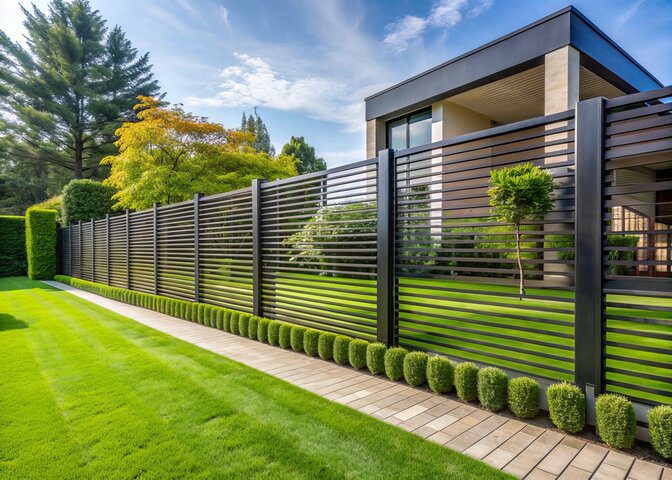
Iron-style fencing is popular because it offers visibility and can be built with narrow picket spacing. It also avoids outside horizontal rails that could act like a ladder. If you want to keep an eye on the pool from the house or patio, this is often a strong choice.
Aluminum pool fencing
Aluminum provides a similar look to ornamental iron with lower maintenance in many cases. It’s lightweight, resists rust, and is a common pick for families that want a clean, modern barrier.
Wood pool fencing
Wood can be a great option when privacy is a priority, but it has to be designed carefully. We avoid outside horizontal rails and make sure the board layout doesn’t create climb points. We also plan for moisture and rot prevention because a weakening board near a gate is both a safety and a repair issue.
Removable mesh fencing
For some families, removable mesh pool fences are attractive because they’re designed specifically for child safety and can be taken down for parties or seasonal use. The tradeoff is making sure the system is installed correctly and maintained so the anchors stay secure.
- Climb resistance is a design choice—rails, spacing, and nearby objects matter as much as the material.
- We’ll recommend a layout that preserves visibility where you want it and privacy where you need it.
Do you need a permit for a pool fence in Houston, TX?
Whether you need a permit can depend on the fence height, location, and your municipality. In many cases, a simple replacement of an existing fence line may be more straightforward than a brand-new enclosure. If your project is tied to a pool build, inspections are more common.
We recommend starting with the same steps we use for any backyard project:
- Confirm property lines and easements
- Check for HOA requirements (if applicable)
- Verify the city or local jurisdiction’s fence rules
If you’re planning other fence work at the same time, our guide on fence permits in Houston, TX can help you understand the basics before you commit to a design.
- Permits and inspections are easier when the gate details are documented and the fence line is mapped out.
- We can help you choose a design that fits safety expectations and neighborhood standards.
HOA rules and neighborhood standards (a common Houston reality)
In many Houston-area neighborhoods, HOA rules can be stricter than the baseline city requirements. We often see HOA guidelines about:
- Approved materials and colors (especially for front or side yard visibility)
- Maximum fence height
- Setbacks from sidewalks or shared greenbelts
- Gate style and placement
Before you order materials, it’s worth reviewing your HOA documents. Our breakdown of HOA fence rules in Houston, TX can help you avoid delays.
- In HOA neighborhoods, getting the design approved first saves time and prevents expensive rework.
- We can adjust style details—like picket spacing and gate hardware—without sacrificing safety.
Where homeowners go wrong: 6 common pool fence mistakes we fix
- Using a standard yard gate: it doesn’t self-close or self-latch reliably.
- Placing climbable items near the fence: patio chairs, planters, pool toys, and equipment pads.
- Leaving a big bottom gap: drainage and lawn care can make it worse over time.
- Choosing hardware that rusts or loosens: Houston humidity is hard on cheap hinges.
- Relying on alarms instead of barriers: alarms can fail or be disabled; barriers are passive protection.
- Forgetting about side-yard access: many incidents happen through an unlocked side gate.
- Most pool safety problems come down to gate performance and follow-through maintenance.
- A professional installation focuses on the weak points first: gates, corners, and grade changes.
How we build a pool fence that holds up in Houston, TX weather
Houston fences live through heavy rain, intense sun, and long humid stretches. That affects materials, post setting, and hardware choice. When we build pool barriers, we focus on:
- Strong posts and footings that resist movement in wet soil
- Corrosion-resistant hardware for gates and latches
- Drainage planning so the bottom clearance doesn’t change after storms
- Sightlines when visibility is a priority
If you’re budgeting for a bigger fence project, it helps to understand typical costs. See our breakdown of fence installation cost in Houston, TX and how materials affect the final price.
- Weather-resistant hardware and correct post setting prevent sagging that makes gates unsafe.
- Drainage-aware layout keeps your pool barrier consistent year-round.
Quick checklist: pool fence requirements near me in Houston, TX
Here’s a practical checklist we use during estimates. Your local requirements may differ, but this catches most problems before inspections or day-to-day use:
- Barrier height meets local minimums (often 4 ft+, many homeowners choose 5–6 ft)
- No openings a small child could fit through (including under the fence)
- Gate is self-closing and self-latching
- Latch placement reduces child access
- Fence design reduces climb points (rails and nearby objects)
- Fence line is stable through rain and soil movement
- This checklist catches the big issues early: height, spacing, and gate performance.
- We can inspect an existing barrier and recommend targeted upgrades instead of a full replacement.
Helpful safety resources (external)
- CDC drowning prevention and pool safety
- U.S. Consumer Product Safety Commission pool safety guidance
FAQ: pool fence requirements in Houston, TX
Can my existing backyard fence count as my pool fence?
Sometimes, yes—but only if it fully restricts access to the pool and the gate(s) meet pool safety standards. We often see perimeter fences that work structurally but need upgraded gate hardware and better control of access points from the house.
Do I need a special pool gate, or can I use a standard fence gate?
We recommend a gate built and hung specifically for pool safety. Self-closing and self-latching performance depends on proper post setting, hinge selection, and keeping the gate square so it doesn’t drag or bind.
What’s the best pool fence material for Houston weather?
Ornamental iron-style and aluminum fences are common for visibility and durability, while wood can be great for privacy when it’s designed to reduce climb points and maintained against moisture. The best choice depends on your goals and layout.
How quickly can you install a pool fence?
Timing depends on material, yard conditions, and whether you need HOA approval. After we measure and confirm the design, most residential projects can be scheduled quickly, and we’ll give you a clear timeline during the estimate.
Get a pool fence quote from Griffin Fence
Pool safety is too important for guesswork. If you want help designing a pool barrier that fits Houston-area expectations and your property layout, we’re ready.
Call Griffin Fence today at (713) 937-6611 or contact us online for a free estimate.
Related Griffin Fence guides
- https://griffinfence.com/service-areas/sugar-land-tx/
- https://griffinfence.com/wood-fence/batten-board/
- https://griffinfence.com/
- https://griffinfence.com/service-areas/spring-valley-village-tx/
- https://griffinfence.com/commercial-fence-installation-houston-tx-experts/
- https://griffinfence.com/service-areas/bunker-hill-village-tx/