Temporary fencing plays a critical role in protecting property, managing access, and maintaining safety across the Greater Houston area. Whether you are overseeing a construction project in Downtown Houston, planning an event in Sugar Land, or securing commercial property in The Woodlands, temporary fence installation offers a flexible and cost-effective solution.
Griffin Fence, based in Houston, Texas, provides professional residential and commercial fencing services throughout Harris County, Fort Bend County, Montgomery County, and Galveston County. With decades of hands-on experience, the team understands the local climate, permitting processes, and property requirements unique to Southeast Texas. This guide explains when, why, and how to install temporary fencing in Houston while helping property owners make informed decisions.
Why Temporary Fencing Matters in Houston
Houston is one of the fastest-growing metropolitan areas in the country. With continuous residential development, commercial construction, infrastructure improvements, and public events, temporary fencing is often essential for safety and compliance.
Temporary fence installation in Houston, TX is about more than marking a boundary. It protects people, property, and investments. Construction zones in areas like Katy, Pearland, and Spring require secure perimeters to reduce liability risks. Event venues across Harris and Fort Bend counties need crowd control solutions. After severe weather events, damaged properties often require immediate fencing to prevent unauthorized access.
Houston’s unique environment also plays a major role. The city experiences intense heat, heavy rainfall, hurricanes, and strong winds. Temporary fencing must withstand these conditions while remaining adaptable and code-compliant.
Temporary fencing in the Greater Houston area helps with:
- Controlling access to construction or demolition sites
- Preventing trespassing and theft
- Protecting pedestrians from hazards
- Securing storm-damaged residential or commercial properties
- Managing crowd flow at festivals, markets, and private events
For commercial clients, temporary fencing is often tied directly to risk management. Insurance carriers may require site security measures, particularly for high-value construction materials. Residential property owners may need short-term fencing during pool construction, major renovations, or landscaping upgrades.
Griffin Fence works with homeowners, builders, property managers, and business owners to design temporary fencing solutions that meet both safety standards and local expectations. With professional installation, the fencing is secure, properly anchored, and positioned for maximum effectiveness.
In a city as dynamic and weather-sensitive as Houston, temporary fencing is not a luxury. It is a proactive measure that protects people and investments alike.
When to Install Temporary Fencing on Your Property
Temporary fencing serves many purposes across residential and commercial settings. Understanding when to install it can help you avoid safety hazards, legal complications, and financial losses.
Construction projects are one of the most common reasons for temporary fence installation in Houston. From new home builds in Cypress to retail center developments in Pasadena, construction zones require controlled access and perimeter security.
You may need temporary fencing for:
- New construction or major renovations
- Pool installations or backyard remodeling
- Roofing or structural repairs
- Demolition projects
- Outdoor festivals, corporate events, or community gatherings
Storm damage is another major factor in the Greater Houston area. After hurricanes, tropical storms, or strong wind events, fencing can be compromised or destroyed. Temporary fencing provides a fast and reliable way to secure property while permanent repairs are scheduled.
Residential property owners often install temporary fencing during:
- Fence replacement projects
- Insurance-related repairs
- Tree removal or landscaping overhauls
- Vacant home transitions
Commercial property managers in areas like Baytown, League City, and Conroe frequently use temporary fencing to secure vacant buildings or redevelopment sites. This helps deter vandalism and theft while maintaining compliance with municipal safety standards.
Timing also matters. Installing temporary fencing before work begins ensures a controlled environment from day one. Waiting until materials arrive or demolition starts increases liability exposure. Griffin Fence helps property owners plan installations strategically so that safety measures are in place before risks escalate.
Whether you are managing a small residential project or a large commercial development, early planning and professional installation reduce stress and prevent setbacks.
Choosing the Right Materials and Style Options
Not all temporary fencing is the same. Selecting the right materials and configuration depends on your property type, security needs, and duration of use.
In Houston, common temporary fencing materials include chain link panels, driven posts, privacy screens, and barricade systems. Each option serves a different purpose.
Popular temporary fencing options include:
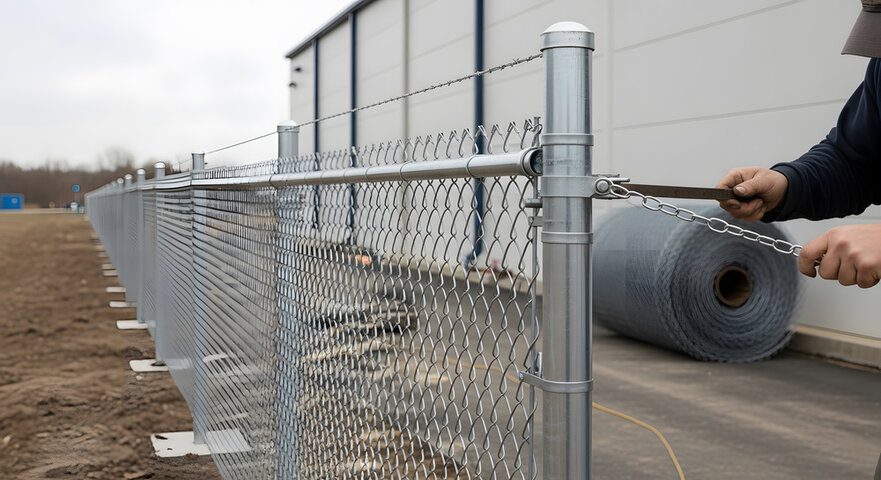
- Chain link panel systems for construction perimeters
- Post-driven chain link for longer-term temporary needs
- Privacy mesh screens for added visual barriers
- Barricade fencing for events and pedestrian control
- Temporary gates for controlled entry points
Chain link is the most widely used temporary fencing material in the Greater Houston area. It offers durability, visibility, and cost efficiency. For construction sites in high-traffic areas, adding privacy screening can reduce dust transfer and limit public visibility into the site.
For residential projects, homeowners may prefer a cleaner and more structured temporary solution. Griffin Fence ensures panels are properly aligned and stabilized, creating a professional appearance even for short-term installations.
When choosing materials, consider:
- Expected duration of use
- Wind exposure and soil conditions
- Level of required security
- Need for vehicle or equipment access
- Visibility or privacy concerns
Houston’s weather conditions must always be factored into material selection. High winds and saturated soil can affect fence stability. Professional installation ensures proper anchoring techniques are used to prevent shifting or collapse.
Griffin Fence evaluates each property individually. A construction site in The Woodlands may require different stabilization methods than an event space near Galveston. The goal is always to deliver a secure, functional, and visually appropriate solution.
Selecting the right materials upfront saves money, prevents safety hazards, and supports smooth project execution.
Understanding Houston Permit Requirements
Temporary fencing in Houston may require permits depending on the type, location, and duration of installation. Municipal codes vary between cities and counties within the Greater Houston area.
Construction-related fencing often falls under project permit requirements. If a building permit is already in place, fencing guidelines may be included as part of the broader approval. In some jurisdictions, temporary fencing installed for safety compliance is mandatory.
Permit considerations may include:
- Height restrictions
- Setback requirements
- Sidewalk or public right-of-way impact
- Duration of installation
- Visibility at intersections
For example, properties located near busy roadways in Houston or Sugar Land may have specific visibility requirements to avoid obstructing driver sightlines. Commercial projects in developing corridors may require inspection approvals before fencing is considered compliant.
Homeowners replacing fencing due to storm damage may not always need a separate permit for temporary security fencing, but it is important to verify local requirements. Regulations can differ between Harris County and municipalities within Fort Bend or Montgomery counties.
Griffin Fence helps clients understand applicable guidelines before installation begins. Clear communication with city offices and inspectors prevents costly delays or required modifications later.
Compliance is not just about avoiding fines. It also ensures the fencing meets structural and safety standards appropriate for Houston’s climate. Working with a knowledgeable contractor simplifies the process and ensures your temporary fence installation aligns with local regulations.
Professional Installation vs DIY Setup Costs
Some property owners consider installing temporary fencing themselves to save money. While DIY solutions may seem appealing, the true cost often extends beyond materials.
Temporary fencing must be properly stabilized to withstand Houston’s wind and weather conditions. Incorrect installation can result in collapsed panels, liability issues, or property damage.
DIY challenges often include:
- Improper anchoring or insufficient ballast
- Uneven ground causing panel instability
- Lack of secure gate integration
- Misalignment affecting appearance and security
- Limited knowledge of local codes
Professional installation offers advantages that go beyond convenience. Griffin Fence ensures panels are securely positioned, properly anchored, and compliant with local standards. This reduces the risk of injuries, theft, and costly repairs.
Cost considerations include:
- Rental or purchase of fencing materials
- Transportation and delivery
- Labor and installation time
- Permit coordination
- Ongoing adjustments or maintenance
For commercial clients managing large sites, professional installation often proves more cost-effective over time. Properly installed fencing reduces security risks and minimizes disruptions. For homeowners, it eliminates the physical strain and uncertainty of a DIY project.
Griffin Fence provides transparent estimates and clear communication. Clients understand what they are paying for and why professional installation delivers long-term value. In many cases, the peace of mind alone outweighs the perceived savings of a DIY setup.
Maintaining Safety and Site Security Standards
Once temporary fencing is installed, ongoing maintenance is essential. Even short-term fencing requires periodic inspection to ensure it remains secure and compliant.
Houston’s weather can shift quickly. Heavy rain can soften soil around posts, and strong winds can loosen panels. Construction sites also experience daily wear from equipment movement and foot traffic.
Routine safety checks should include:
- Inspecting panel connections and clamps
- Verifying gate locks and access control
- Checking for ground shifting or instability
- Repairing torn privacy screens
- Ensuring clear emergency exit pathways
For commercial construction sites, OSHA regulations and local safety guidelines may require consistent perimeter security. Fencing should prevent unauthorized entry while allowing safe access for authorized personnel.
After severe weather events across the Greater Houston area, temporary fencing may need reinforcement or repositioning. Griffin Fence offers responsive service to assess and adjust installations as conditions change.
Security enhancements can include:
- Lockable gates
- Additional bracing or anchoring
- Privacy mesh for reduced visibility
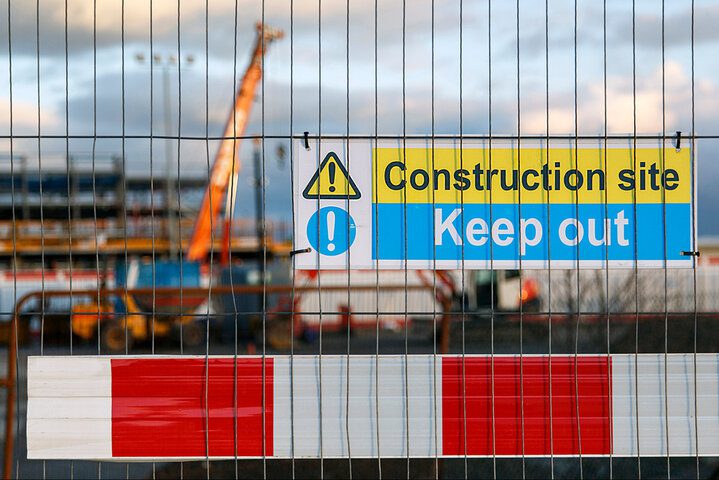
- Clear signage for restricted areas
Maintaining safety standards protects workers, visitors, and property owners alike. It also demonstrates professionalism to clients, inspectors, and the surrounding community.
Griffin Fence approaches every temporary fence installation in Houston, TX with long-term reliability in mind. From initial setup to removal, the focus remains on durability, compliance, and dependable service.
Frequently Asked Questions
How long can temporary fencing stay installed on a property in Houston?
The length of time temporary fencing can remain installed depends on local regulations and the purpose of the installation. For construction projects in the Greater Houston area, fencing typically remains in place for the duration of the permitted work. Griffin Fence helps property owners determine acceptable timelines based on municipal guidelines and project scope.
What is the best material for temporary fence installation in Houston, TX?
Chain link panels are the most common and practical option for temporary fencing in Houston due to their durability and affordability. For added privacy or dust control, mesh screening can be attached. Griffin Fence evaluates each property’s needs and recommends materials suited for local weather conditions and security requirements.
Do I need a permit for temporary fencing in Houston?
Permit requirements vary depending on the city, project type, and location. Construction-related fencing often falls under existing building permits, while some standalone temporary fences may require approval. Griffin Fence, serving the Greater Houston area, helps clients understand local requirements and avoid compliance issues before installation begins.
Can temporary fencing help secure my property after storm damage?
Yes, temporary fencing is a practical solution for securing residential or commercial properties after hurricanes, strong winds, or severe storms. It helps prevent trespassing and protects damaged areas while permanent repairs are arranged. Griffin Fence provides responsive temporary fencing solutions throughout Houston and surrounding counties following severe weather events.
How much does temporary fence installation cost in Houston?
Costs vary based on fence length, material type, installation complexity, and rental duration. Commercial sites generally require larger perimeters, which increases material and labor costs. Griffin Fence provides detailed estimates for clients across Harris, Fort Bend, Montgomery, and Galveston counties to ensure transparency and accurate budgeting.
Does Griffin Fence offer custom gates for temporary fencing?
Yes, temporary fencing setups can include secure and functional gates for pedestrian or vehicle access. Griffin Fence designs gate solutions that align with site layout and safety needs. Whether for a construction entrance or controlled event access point, gates are installed with durability and ease of use in mind.
What is the difference between temporary and permanent fencing?
Temporary fencing is designed for short-term use and is typically removable and modular, while permanent fencing is installed with long-term durability in mind using materials like wood, ornamental iron, or permanent chain link. Griffin Fence offers both options throughout the Greater Houston area, helping property owners choose the right solution for their specific goals.
Can temporary fencing improve safety for commercial properties in Texas?
Absolutely. Temporary fencing reduces liability risks by clearly marking boundaries and limiting unauthorized access. For commercial properties in Houston and surrounding communities, it supports compliance with safety standards and protects valuable materials or equipment. Griffin Fence works with business owners and contractors to deliver secure, professionally installed fencing solutions tailored to each project.